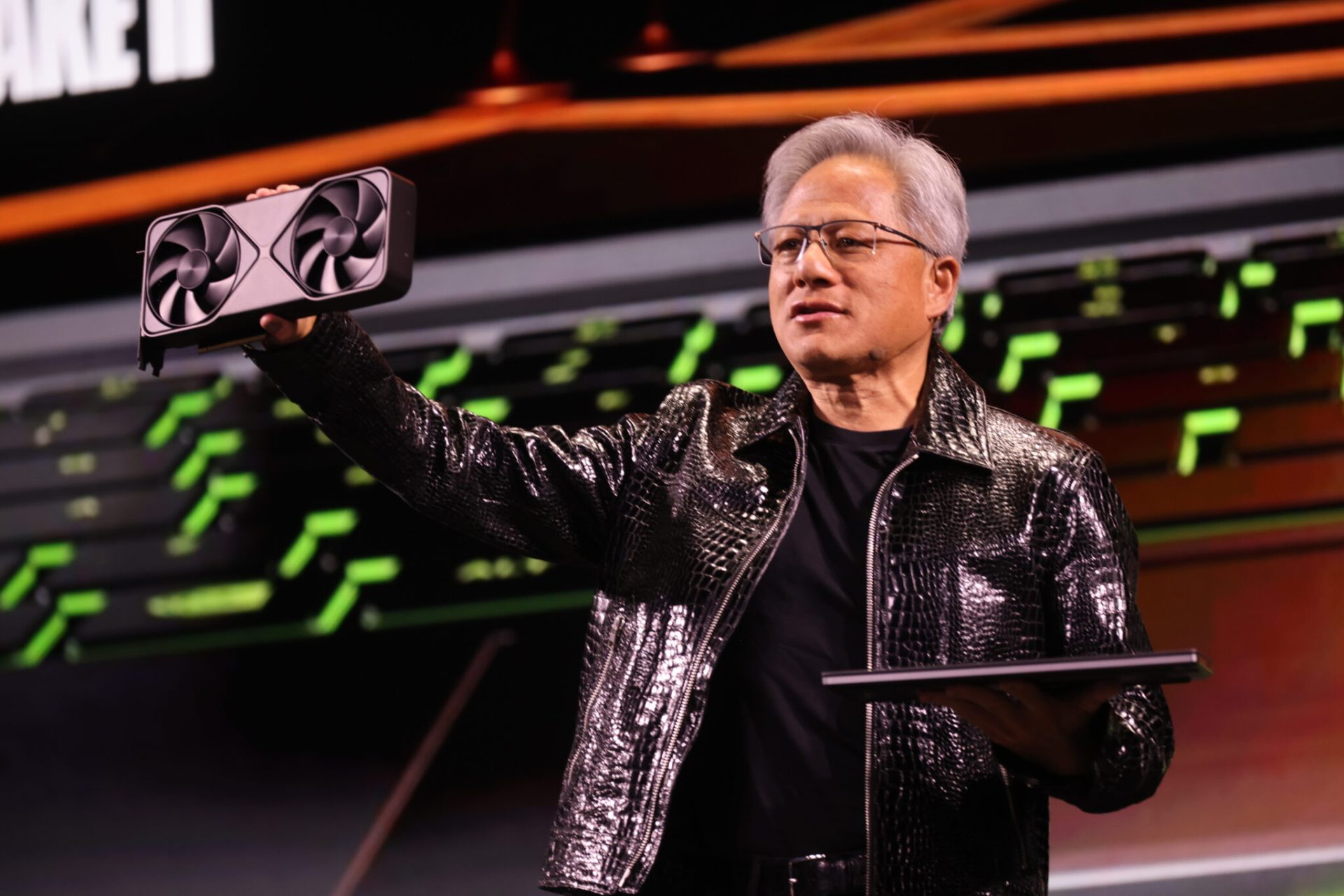
The push for more efficient computing has never been more urgent. As data centers expand and portable devices demand longer battery life, the balance between raw performance and power consumption has become a defining factor in hardware design. A new GPU enters this conversation with a refined approach—one that prioritizes thermal stability without compromising speed, potentially altering upgrade cycles for projects where efficiency is non-negotiable.
Today’s update introduces subtle but significant refinements to an established architecture. While core specifications remain consistent—a 128-bit memory bus paired with 4GB of GDDR5—what sets this iteration apart is its ability to maintain high clock speeds under sustained load. The focus shifts from brute-force performance to intelligent power management, reducing thermal throttling without sacrificing speed. This isn’t about breaking records; it’s about redefining what stable, efficient performance looks like in real-world workloads.

- Core specifications unchanged: 128-bit memory bus and 4GB GDDR5 capacity, with optimized bandwidth utilization.
- Thermal improvements allow for sustained high clock speeds without degradation under prolonged workloads.
- Compatibility remains seamless with existing software and toolchains, ensuring no disruption for developers.
The impact of these changes is nuanced. For developers, the benefit lies in longer, more stable performance during extended sessions—critical for tasks where consistency matters more than fleeting spikes in speed. However, the gains are incremental rather than transformative, meaning those seeking a revolutionary leap will find little to excite. The real value emerges in workloads where thermal stability directly influences productivity, such as rendering pipelines or scientific simulations.
Looking ahead, this GPU signals a broader trend: future upgrades may prioritize power efficiency over raw performance metrics. Developers could increasingly favor models that deliver reliable, sustained speed without the usual trade-offs of heat and power consumption. The result? A shift in how hardware is evaluated—where thermals become as important as benchmarks, and where stability becomes the new measure of success.
The most compelling aspect of this update isn’t its groundbreaking nature but its practicality. It delivers on what many have been waiting for: a GPU that doesn’t just push numbers higher but does so intelligently, ensuring that those numbers stay consistent over time. In an era where power efficiency is no longer optional, this could be the model that sets the new standard.