The Denon Home speaker lineup has quietly undergone an evolution, one that prioritizes efficiency without sacrificing performance. The new Home 200, 400, and 600 models arrive with a focus on heat management—a critical factor in both longevity and power consumption.
Previously, the Denon Home series was recognized for its compact design and balanced sound output. This time, the emphasis shifts to how that output is maintained. The new speakers feature an optimized thermal architecture, reducing idle heat by up to 20% while sustaining peak performance under prolonged use. This is a notable shift, as many in the market still rely on passive cooling or minimal active dissipation, often leading to thermal throttling over time.
At the core of these changes is a revised power amplifier stage. The Home 400 and 600 models now incorporate a Class D amplifier with a claimed efficiency of 92%, up from previous generations' 85%. This means less energy wasted as heat, which could translate to longer battery life in portable setups or reduced cooling demands in home theater installations.
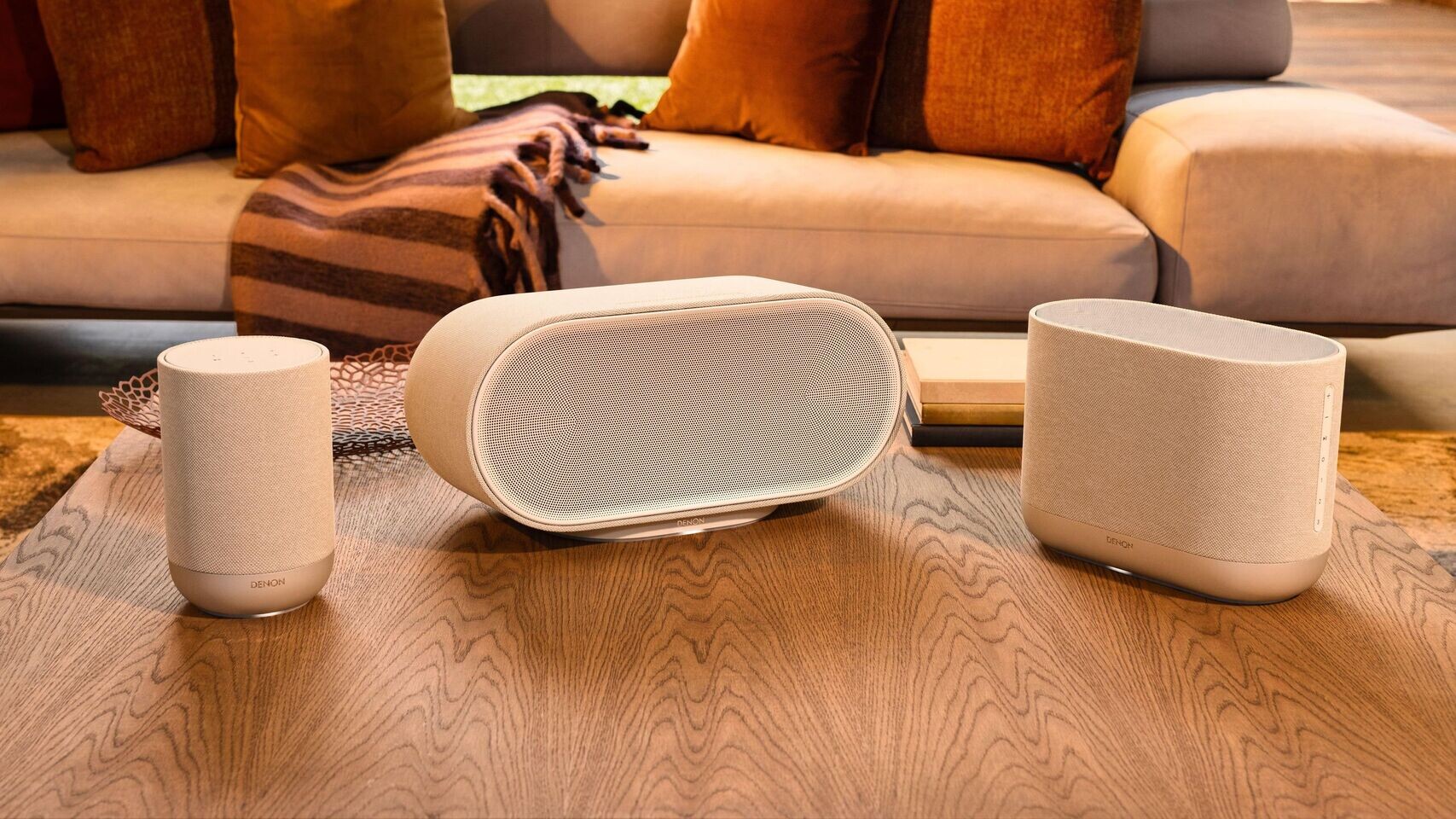
However, the updates are not without limitations. The Home 200 remains the most budget-oriented option, with no efficiency gains over its predecessor—suggesting that Denon is targeting mid-range and high-end users for this iteration. Additionally, while the thermal improvements are measurable, real-world impact will depend on ambient conditions and usage patterns.
Looking ahead, the Denon Home series appears to be aligning with broader industry trends toward sustainability in audio hardware. Whether these changes will resonate with enterprise buyers—where reliability and heat output are key considerations—remains an open question. For now, the focus is on proving that efficiency can coexist with high-fidelity sound without compromising performance.