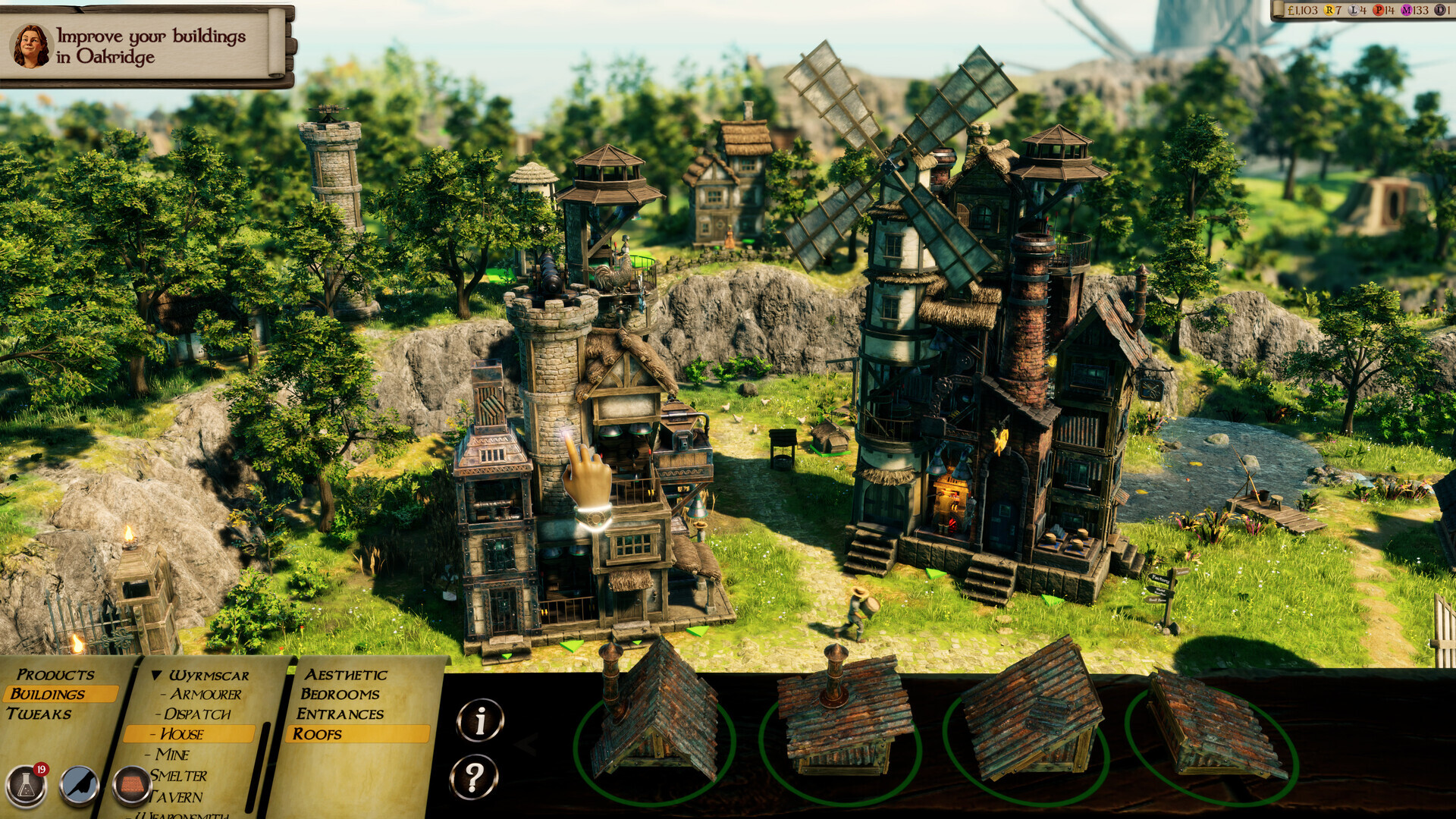
Small businesses upgrading to Crimson Desert are discovering that its AI-driven mechanics push hardware beyond typical expectations for open-world games.
The latest benchmarks show the game’s real-time terrain generation, dynamic flora, and NPC behavior requiring up to 16GB of GDDR6X memory on GPUs—nearly double what other titles demand. This forces mid-range systems to either upgrade or accept frame drops during complex scenes. On the CPU side, sustained workloads can max out 8-12 cores, leaving older multi-core processors struggling under prolonged load.

Technical Demands and Compatibility
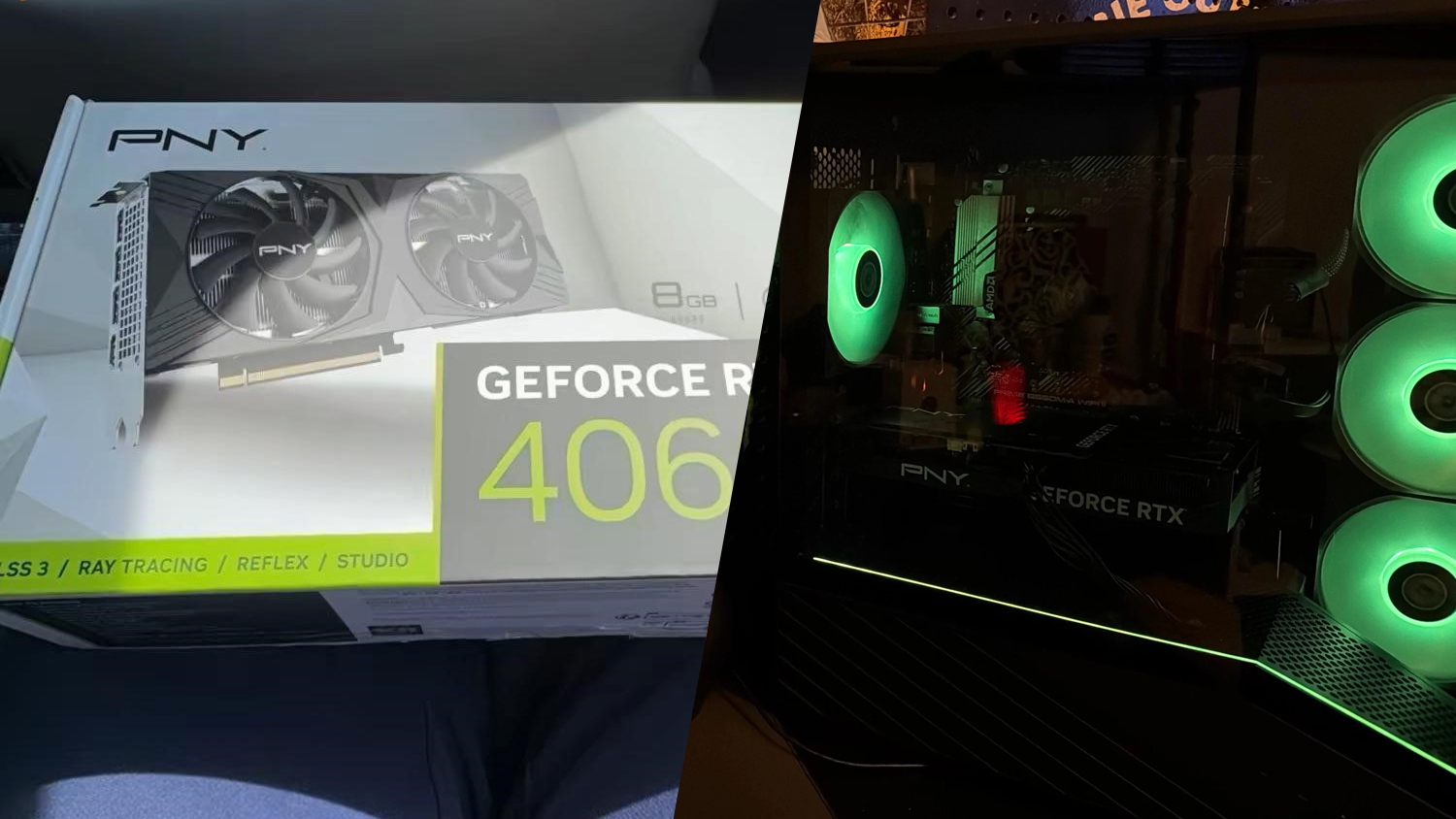
- GPU Memory: 16GB GDDR6X recommended for stable performance; 12GB may work but with potential frame rate drops in dense AI environments.
- CPU Cores: 8+ cores advised for smooth pathfinding and NPC behavior; older 6-core processors will see noticeable lag.
- Storage: SSD speeds are less critical, but a 1TB NVMe drive is still recommended for asset loading efficiency.
A mid-range GPU like the RTX 3080 with 12GB memory may stutter when AI spawns large groups of dynamic enemies. This isn’t just a graphical issue—it reflects systemic strain on memory bandwidth, which could influence future titles relying on procedural generation.
Broader Implications for Hardware
The game’s performance data raises questions about whether Crimson Desert sets a new baseline for hardware requirements or remains an outlier. For small businesses, the cost of upgrading to meet these demands—especially when balancing productivity workloads—must be carefully weighed. If this trend continues, future titles may require even more powerful systems to maintain smooth performance.