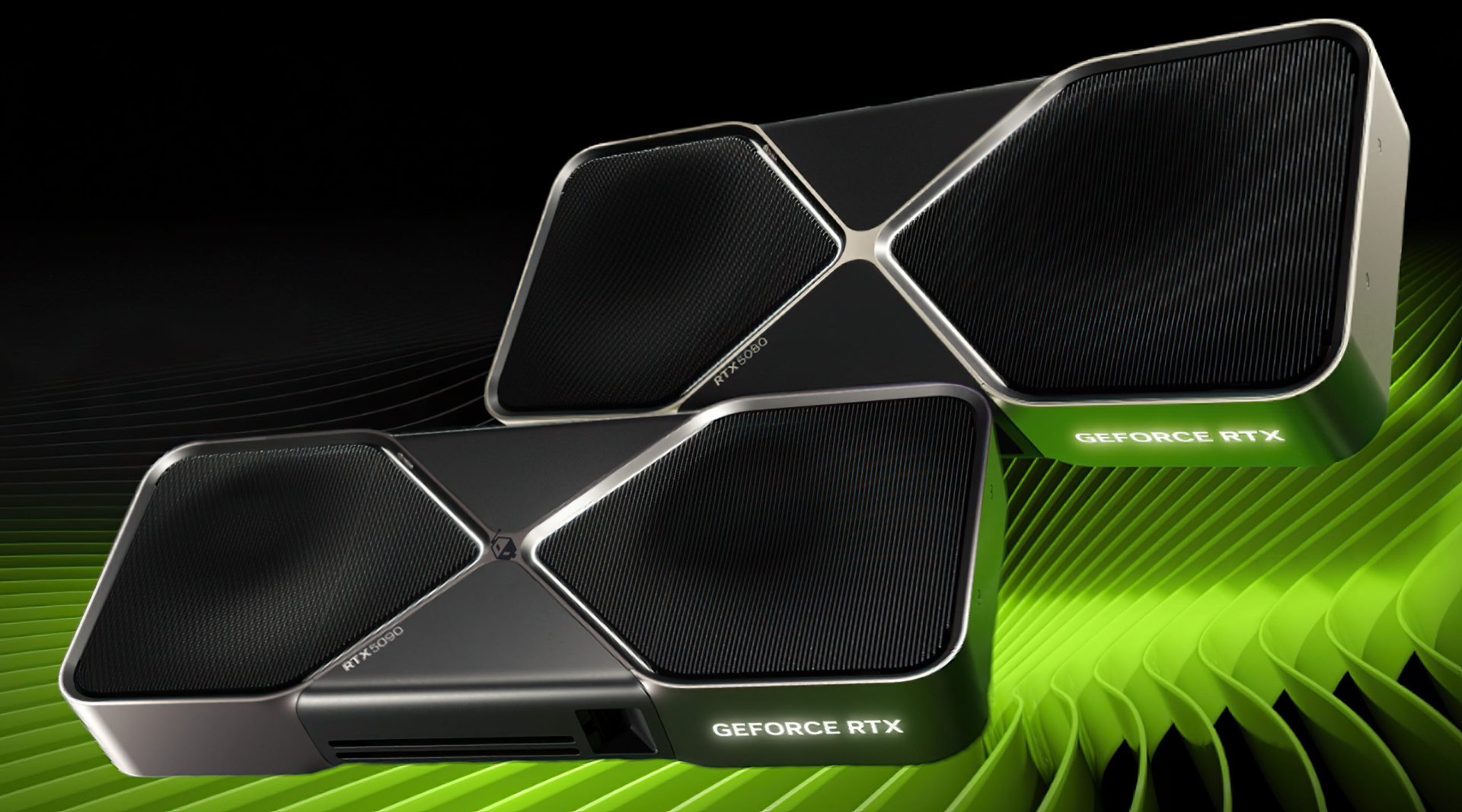
Gaming hardware is caught in a balancing act between rising performance demands and supply chain constraints. NVIDIA’s newest RTX 50-series GPUs—RTX 5070, RTX 5060, and RTX 5090—promise advanced capabilities but are navigating a market where memory pricing stability is rare.
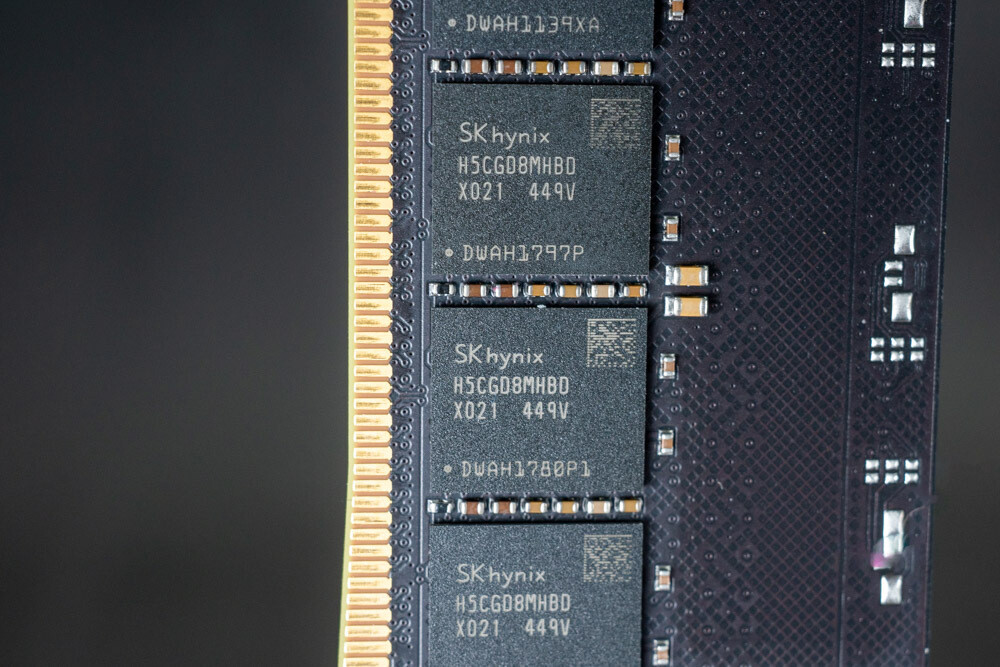
DDR5 memory costs have stabilized for now, avoiding the explosive price swings seen in previous generations. However, this respite is temporary, with SSD prices poised to climb sharply as old inventory depletes. The shift from DDR4 to DDR5 in high-end GPUs like the RTX 5090 highlights a tradeoff: better performance comes at a cost, and consumers must weigh whether the gains justify the expense.
Key Specifications
- RTX 5070: Mid-range GPU with balanced performance for 1440p gaming.
- RTX 5060: Entry-level option with 16 GB of DDR5 memory, targeting budget-conscious gamers.
- RTX 5090: High-end model leveraging advanced architecture for 4K and AI workloads.
The RTX 5060 stands out as a rare 16 GB DDR5 option in its tier, catering to gamers who need more memory without the premium price of high-end models. However, its long-term value depends on whether NVIDIA can sustain memory pricing stability.
Market Dynamics
The GPU market is influenced by broader supply chain trends. While DDR5 prices remain steady for now, SSD costs are climbing due to depleted inventory and new supplier integrations. Framework, a modular laptop manufacturer, notes that its existing SSD stock will be exhausted soon, forcing higher pricing. This mirrors the challenges seen in other components like DRAM, where long-term contracts and high demand keep costs elevated.
Performance vs. Cost
For gamers, the RTX 50-series represents a leap forward in ray tracing and AI features, but real-world performance hinges on memory bandwidth and power efficiency. The RTX 5090, for example, delivers top-tier performance but may not be practical for all users due to its price point. Meanwhile, the RTX 5060 offers a more accessible entry with 16 GB of DDR5, though its longevity depends on future memory pricing.
What’s Next
The next few months will determine whether NVIDIA can maintain stability in GPU pricing or if SSD costs will trickle up into gaming hardware. Gamers should monitor these trends carefully, as the balance between performance and affordability will shape the next generation of GPUs.