AMD’s introduction of FSR 4.1 will reshape upgrade decisions for small businesses, forcing them to weigh immediate performance gains against long-term compatibility risks.
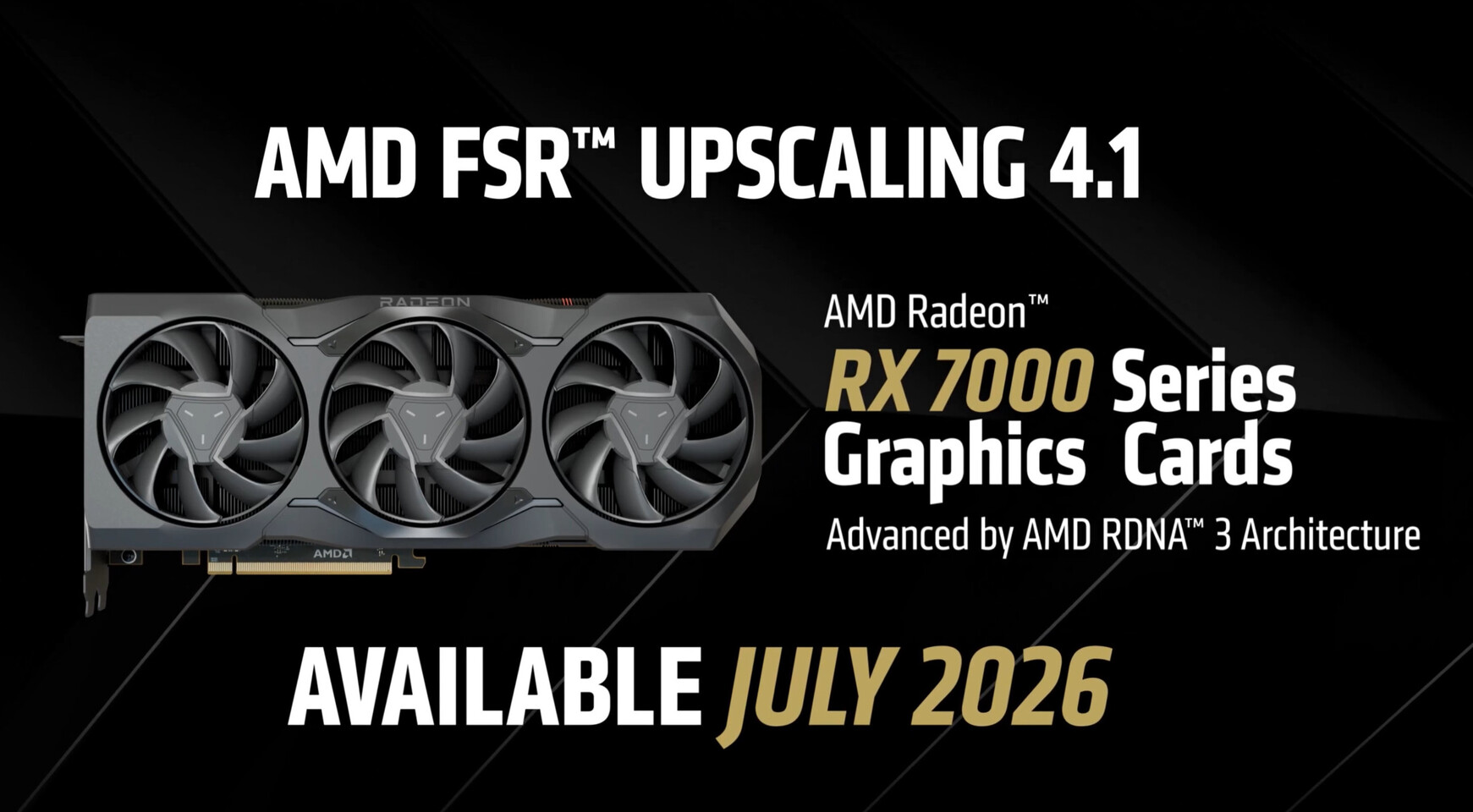
The new API lands on RDNA 3 GPUs in July, with RDNA 2 support arriving only in early 2027. This staggered rollout introduces a layer of uncertainty that could delay hardware refreshes for cost-conscious operations.
What’s changing and when
FSR 4.1 is designed to improve upscaling performance, but its delayed arrival on older GPUs means small businesses must decide whether to invest now in RDNA 3 or wait for broader compatibility. The gap between generations could stretch operational budgets if newer hardware remains the only viable option.
Who it affects
- Small businesses relying on RDNA 2 GPUs will face a longer wait before upgrading, potentially missing out on FSR 4.1 benefits until early 2027.
- Those already using RDNA 3 hardware can adopt the feature immediately but may question whether future-proofing justifies the higher cost.
Market implications
The staggered release complicates budget planning, as businesses must balance immediate needs against long-term investment. If FSR 4.1 delivers significant efficiency gains, the delay could push more toward RDNA 3—unless NVIDIA or Intel closes the gap with competing technologies.
For now, small operations should prioritize RDNA 3 if they need FSR 4.1 today, but those with tighter margins may prefer to hold off until compatibility expands next year.