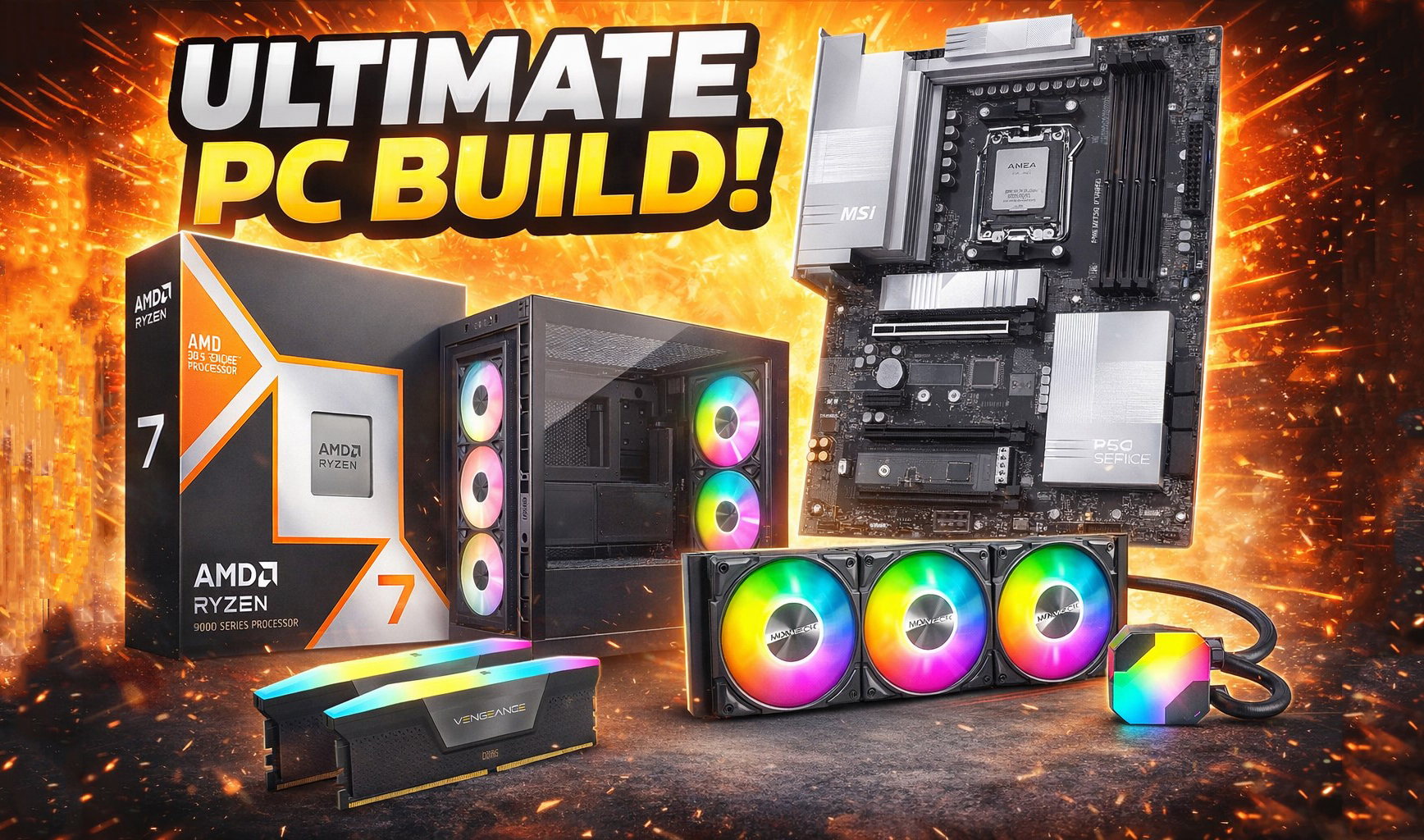
The 3200D from Corsair isn’t just another mid-tower case—it’s a rethinking of how airflow and noise balance in a chassis. Designed for users who need reliable cooling without the hum of traditional setups, it stands out with a front panel that houses two fans by default, paired with a mesh front to pull in more air while keeping sound levels low. This isn’t about cramming in features; it’s about making every inch work harder for performance without sacrificing comfort.
Most mid-tower cases focus on capacity or aesthetics, but the 3200D flips that script. Its dual-fan front panel is a deliberate choice, not just for looks, to direct airflow straight to where it matters—components like GPUs and CPUs that run hotter in modern builds. The mesh isn’t just decorative; it’s engineered to reduce turbulence, which traditionally adds noise. When paired with Corsair’s iCUE software, users can fine-tune fan speeds based on temperature, giving them control without the usual trade-off between cooling efficiency and quiet operation.
Under the hood, the 3200D supports up to a full-size ATX motherboard while keeping expansion slots accessible. It’s not about squeezing in every possible component—it’s about ensuring that what’s inside doesn’t overheat or make your system sound like it’s powering a small jet engine. The case also includes a built-in dust filter, which is more than just an afterthought; it’s a practical addition for users who want to maintain airflow without constant cleaning.

There’s a reality check here: the 3200D isn’t breaking new ground in terms of raw cooling performance. It doesn’t introduce radical innovations like liquid cooling integration or smart thermal sensors. Instead, it refines what already works—better fan placement, quieter operation, and a focus on real-world usability. For enterprise buyers or power users who need a chassis that performs without drawing attention to itself, this could be the kind of upgrade that makes a difference in long-term reliability.
What’s confirmed is that the 3200D delivers on its promises: improved airflow with lower noise, support for standard form factors without compromise, and integration with Corsair’s ecosystem. What’s still unconfirmed is how it stacks up against competitors who prioritize liquid cooling or more aggressive thermal management. But for those who value a balance between performance and quiet operation, the 3200D offers a straightforward solution.