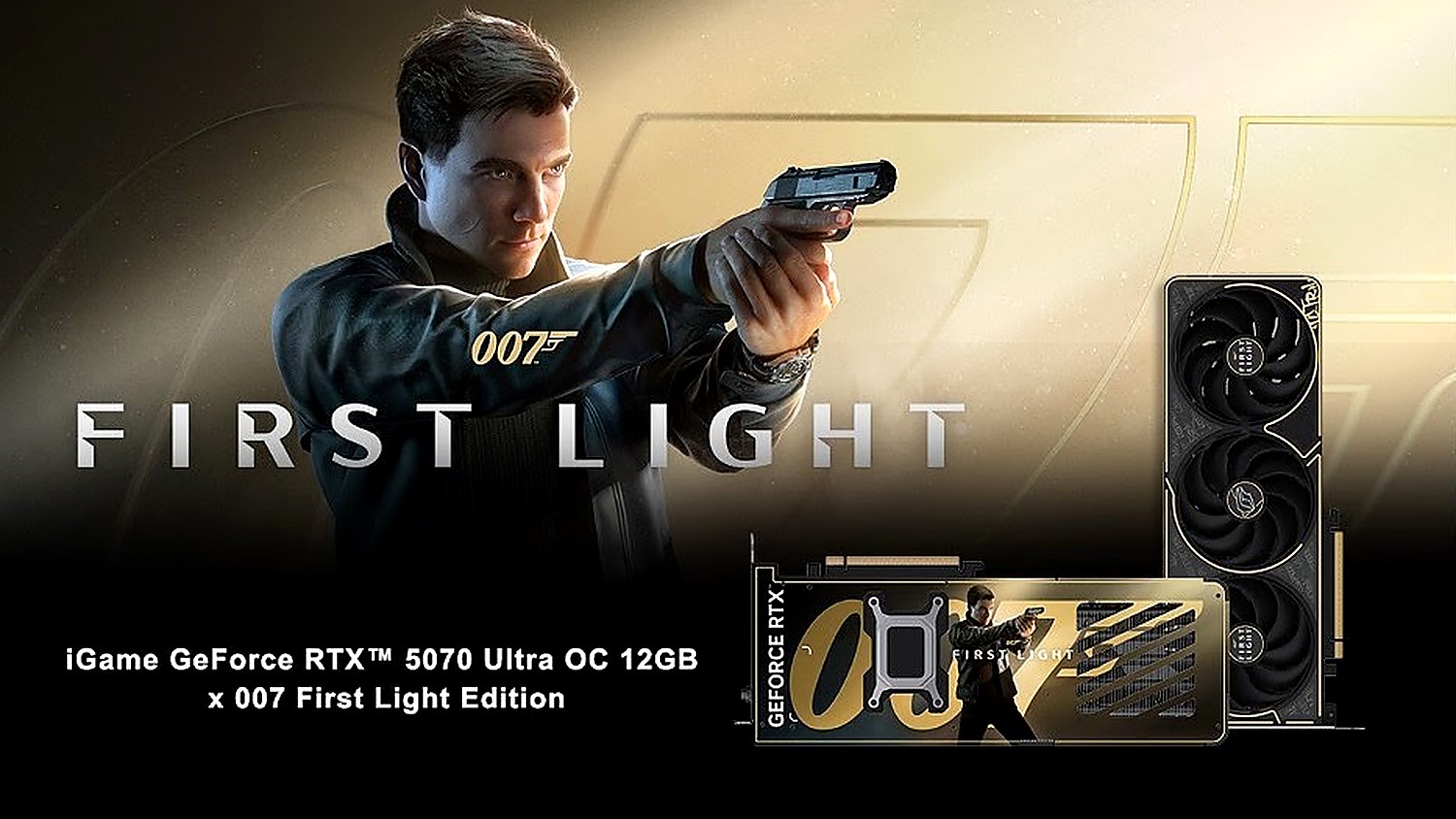
Colorful’s RTX 5070 Ultra OC 12GB arrives with a design that prioritizes cooling performance without sacrificing power density, marking a shift in how enthusiast GPUs balance thermal throttling and sustained clock speeds.
The card leverages NVIDIA’s Ada Lovelace architecture but introduces a custom PCB layout aimed at reducing power delivery bottlenecks. Its 12GB VRAM configuration, paired with a 192-bit memory bus, ensures it remains competitive in both gaming and content creation workloads. The Ultra OC designation hints at factory-overclocked cores, though actual clock speeds will depend on cooling stability under load.
Cooling and Power: A Delicate Balance
The RTX 5070 Ultra OC features a dual-fan heatsink with a vapor chamber that Colorful claims improves heat dissipation by up to 15% compared to air-cooled alternatives. This is notable in an era where power efficiency has become a critical differentiator, especially for users running multi-GPU setups or targeting high-refresh-rate displays. The card’s TDP is rated at 280W, but real-world performance will hinge on whether the cooling system can sustain boost clocks without thermal degradation.
Key Specs
- Model: RTX 5070 Ultra OC 12GB
- VRAM: 12GB GDDR6
- Memory Bus: 192-bit
- Cores: Ada Lovelace (LHR variant)
- Clock Speed: Factory-overclocked (exact values pending testing)
- TDP: 280W
- Cooling: Dual-fan vapor chamber heatsink
The Ultra OC badge suggests this is not just a rebranded reference card. Colorful has historically been aggressive with factory overclocks, so users can expect marginal performance gains out of the box—but at the cost of potentially shorter component lifespans if pushed too far. For most gamers, however, the real advantage lies in the cooling design, which could translate to lower noise levels and more stable frame rates during prolonged sessions.
Pricing has yet to be confirmed, but given Colorful’s past launches, it will likely position itself between reference models and high-end AIB partners. Availability is expected in late 2024, aligning with NVIDIA’s broader RTX 50 series rollout.