When Intel’s Alder Lake series first arrived, it set a new bar for desktop performance with its hybrid architecture. Now, the refresh version is here, promising incremental improvements: more cache, slightly higher clock speeds, and DDR4 memory support—but also leaving behind some of the most compelling features from the original.
At first glance, the changes seem minor. The base clock climbs from 2.00 GHz to 2.70 GHz, and the maximum turbo frequency edges up to 5.00 GHz in some configurations. Cache capacity increases by 1GB, but only on the high-end models—leaving mid-range users with the same 64MB L3 cache as before. DDR4 support is a notable addition, though it comes at a cost: lower bandwidth compared to DDR5. The TDP remains at 10W for ultra-low-power designs, but whether that translates to real-world efficiency gains is still unclear.
Key Specs and Tradeoffs
- Cache: Up to 7GB (vs. 6GB in original Alder Lake)
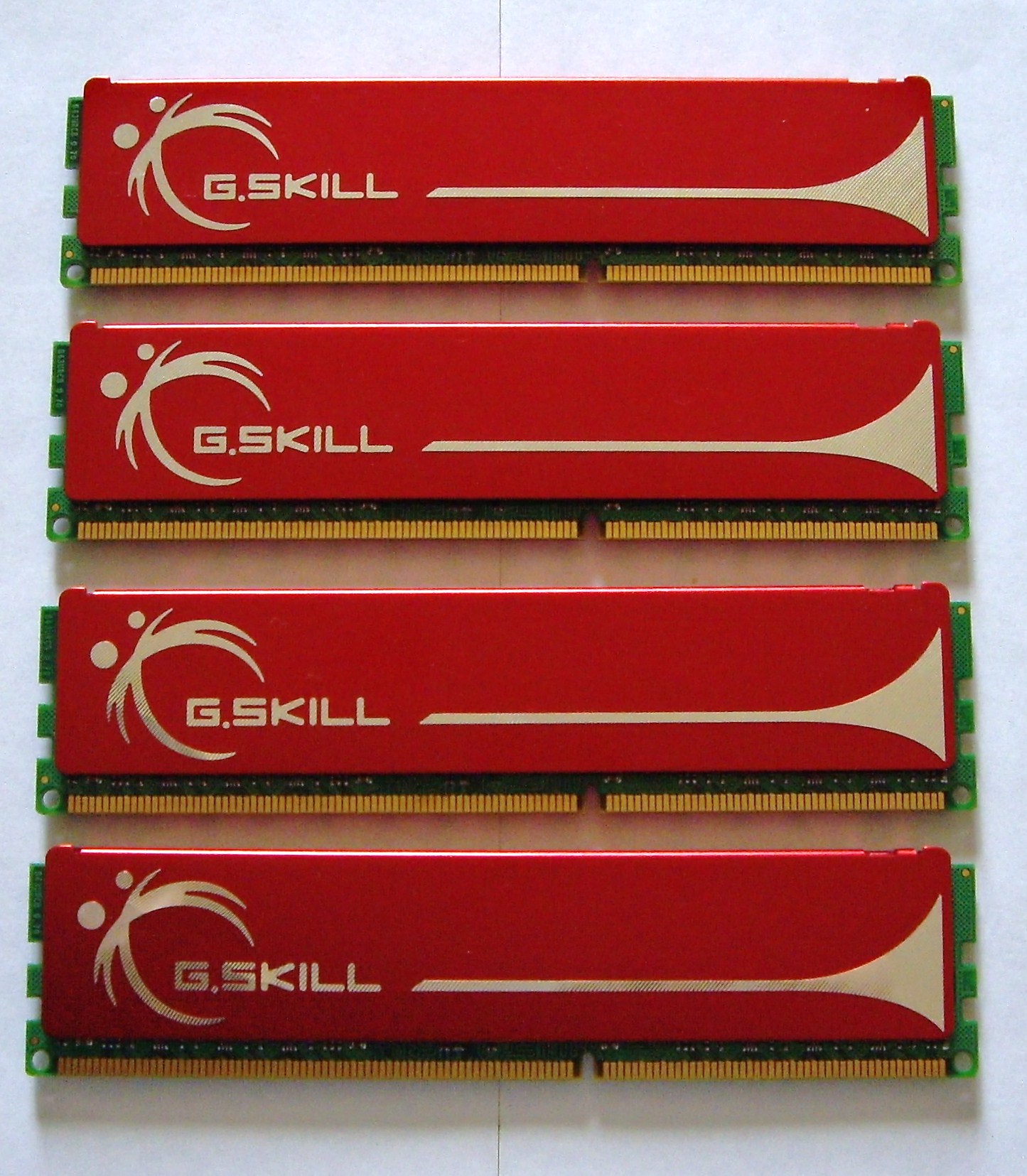
- Memory Support: DDR4 (up to 8GB) – no DDR5 upgrade
- Base Clock: 2.00 GHz → 2.70 GHz
- Max Turbo: Up to 5.00 GHz (select models)
- TDP: 10W (unchanged)
- Networking: No 10GbE option – still limited to USB4 and 2.5GbE
The absence of DDR5 support is particularly striking, especially given how aggressively Intel has pushed DDR5 in other product lines. For gamers, this means no access to faster memory speeds or higher capacity modules—both critical for high-refresh-rate gaming at 4K. The 2.70 GHz base clock is a small win, but whether it translates to noticeable frame rate improvements depends on the game and workload.

Why It Matters for Gamers
For most gamers, the Alder Lake refresh won’t feel like a major leap forward. The 1GB extra cache helps in some multi-threaded workloads, but real-world gaming performance is more dependent on GPU choice and memory bandwidth than CPU cache size alone. Without DDR5, the platform misses out on the faster memory speeds that could push 4K gaming to new heights.
Networking is another area where the refresh stumbles. While USB4 support is a plus for peripherals, the lack of a 10GbE option means high-bandwidth tasks—like streaming 4K content or multiplayer sessions with low latency—remain bottlenecked at 2.5GbE. For competitive gamers, this could be a dealbreaker if they rely on ultra-low-latency connections.
What’s Next: Upgrade Timing and Unknowns
The Alder Lake refresh is confirmed for availability in late May, but whether it’s worth upgrading depends on three key unknowns
- Real-world efficiency: Does the 10W TDP actually translate to cooler, quieter operation, or is it just a marketing number?
- DDR4 vs. DDR5 tradeoffs: Will the lack of DDR5 support hurt performance in high-refresh gaming scenarios?
- Networking limitations: Is 2.5GbE still sufficient for modern gaming, or will 10GbE become a must-have in the next year?
For now, gamers should hold off unless they’re replacing an older CPU and need a minor boost in multi-threaded performance. If DDR5 support arrives later this year—or if 10GbE becomes more accessible—this refresh might look like a better value. But as it stands, the Alder Lake refresh is more of an evolutionary step than a revolutionary one.