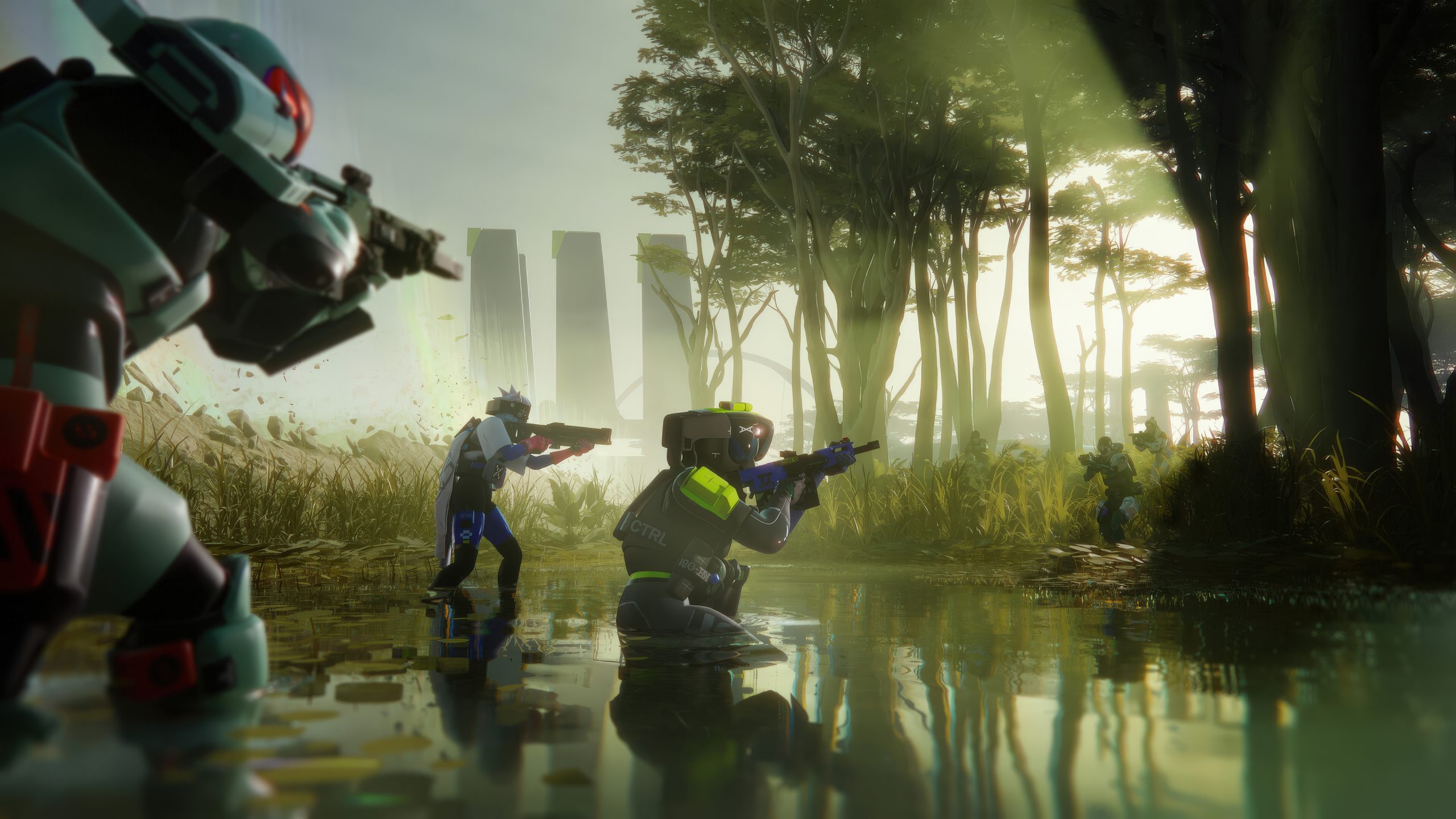
Bungie’s latest title, Marathon, is set to redefine accessibility in first-person shooters by running efficiently on mid-range PCs, some dating back as far as six years. The game’s system requirements reflect a deliberate shift away from the high-end hardware that has become commonplace in modern gaming, instead targeting machines that are both older and more budget-conscious.
At the core of Marathon is an evolved version of the Destiny 2 engine, known internally as 'Tiger.' This engine, while powerful, has been optimized to prioritize performance over raw graphical fidelity. The result is a game that can be enjoyed on systems built around processors like Intel’s Core i5-6600 or AMD’s Ryzen 5 2600, both of which are now several generations old. These CPUs, paired with just 8GB of RAM—a baseline that has been standard for years—ensure that Marathon doesn’t impose unrealistic demands on its audience.
For graphics, Bungie has opted for a similarly practical approach. The minimum requirements call for either an NVIDIA GeForce GTX 1050 Ti or AMD’s Radeon RX 5500 XT, both of which are now over five years old. Even Intel’s newer ARC A580, released in 2023, is included as a viable option, though it requires the ReBAR feature to be enabled for optimal performance. These choices suggest that Bungie is aiming to keep Marathon’s door open to as many gamers as possible, avoiding the exclusivity often associated with high-end hardware.
When compared to Destiny 2, Marathon’s requirements are a noticeable step down in terms of raw power but maintain a focus on accessibility. Destiny 2, for instance, required at least an Intel Core i3 3250 or AMD FX-4350, both of which were already pushing the limits of budget builds when they launched. Marathon, however, lowers that bar even further, with its recommended specifications calling for a more modern Intel Core i5-10400 or AMD Ryzen 5 3500, but still leaving room for significant performance headroom on older systems.
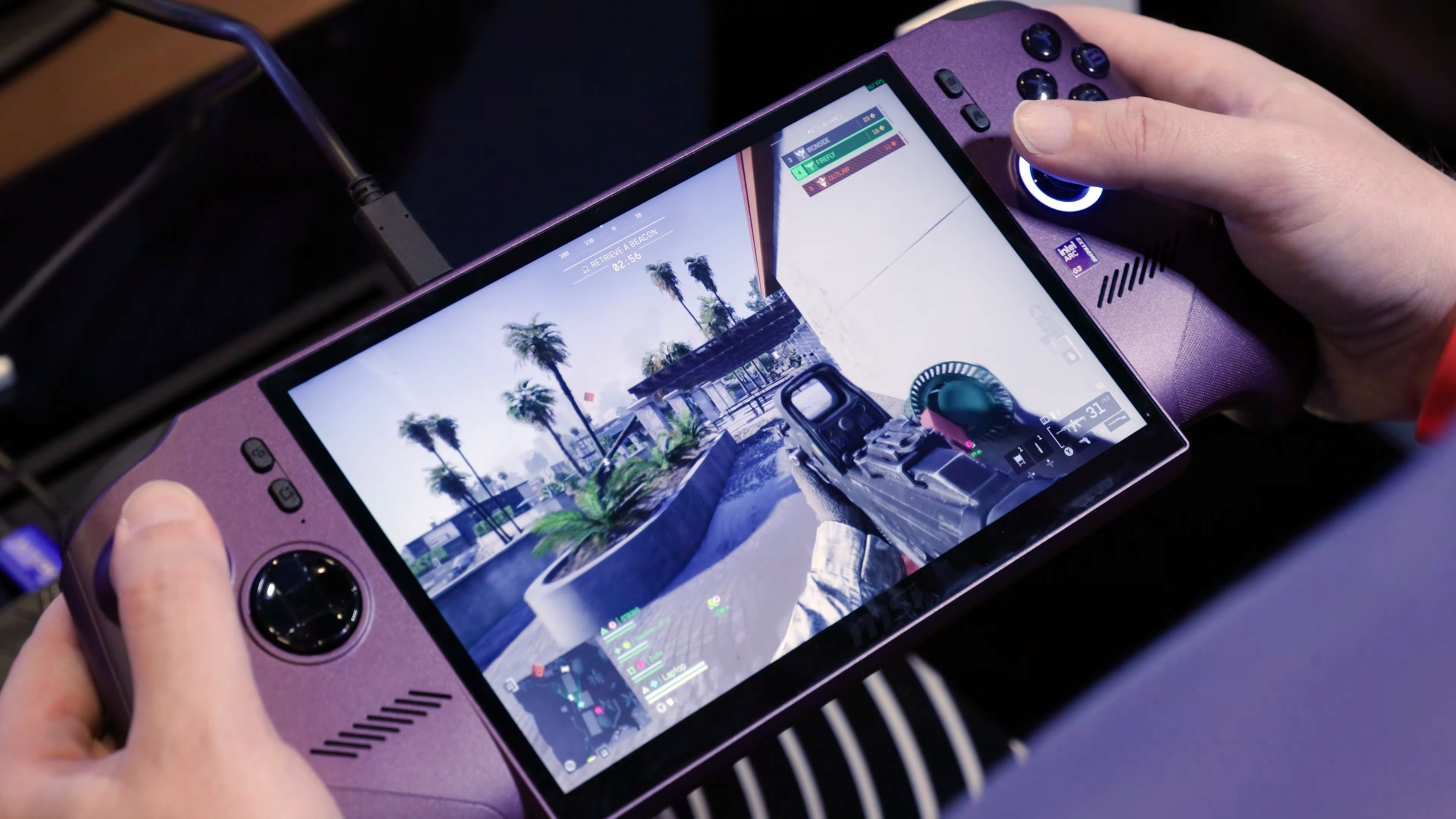
This approach isn’t just about making Marathon playable on older hardware—it’s also a strategic move that could pave the way for a potential Nintendo Switch 2 port. The hybrid console, announced in April 2025, is rumored to support NVIDIA DLSS, a feature that could significantly enhance performance without requiring top-tier graphics cards. While Bungie has not confirmed any plans for a Switch 2 version, the game’s relaxed requirements make it a strong candidate for such a port, especially given Nintendo’s history of bringing games with broad appeal to its platform.
The practicality of Marathon’s system requirements extends beyond just hardware compatibility. The game’s design seems to prioritize smooth gameplay over graphical extravagance, which is a refreshing shift in an era where developers often chase the latest and greatest specs at the expense of broader accessibility. This philosophy aligns with Bungie’s past work on Destiny 2, where they balanced performance and visual quality, but Marathon takes it a step further by explicitly targeting older and more budget-friendly systems.
For gamers, this means that Marathon could be one of the few titles in recent years that doesn’t require a complete hardware overhaul to enjoy. Whether you’re running an older Intel Core i5-2400 or an AMD Ryzen 5 2600, the game is designed to deliver a solid experience without unnecessary strain on your system. The trade-off, of course, is that Marathon won’t push the boundaries of graphical fidelity or performance in the same way as some of its more demanding counterparts, but for those who prioritize accessibility and broad compatibility, that’s likely a small price to pay.
As for when Marathon will launch, Bungie has confirmed that it will arrive on March 5, 2026, following a similar release window to Destiny 2. The game’s focus on accessibility, combined with its promising gameplay mechanics, suggests that it could become a standout title for both PC and potential future console platforms.