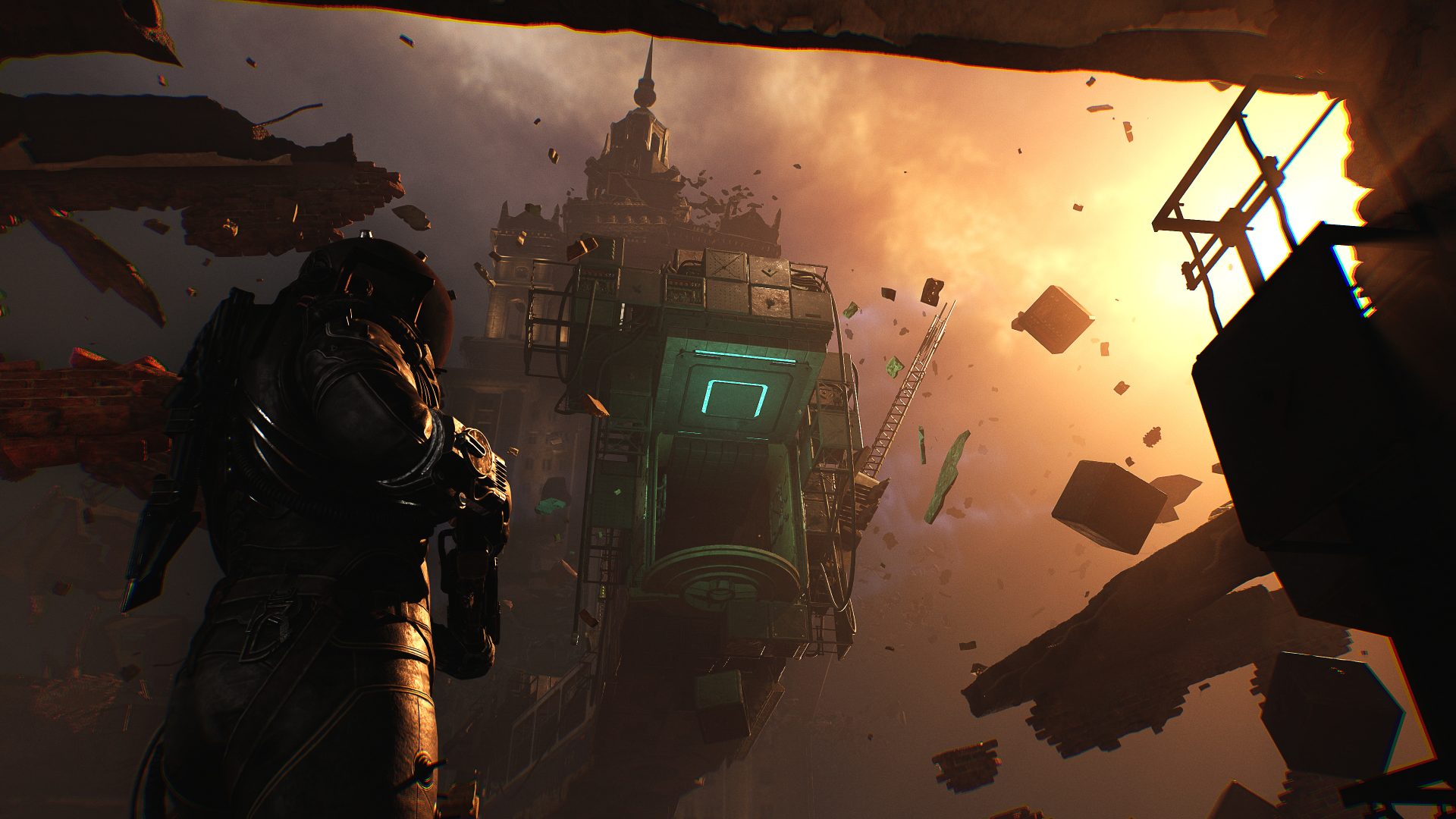
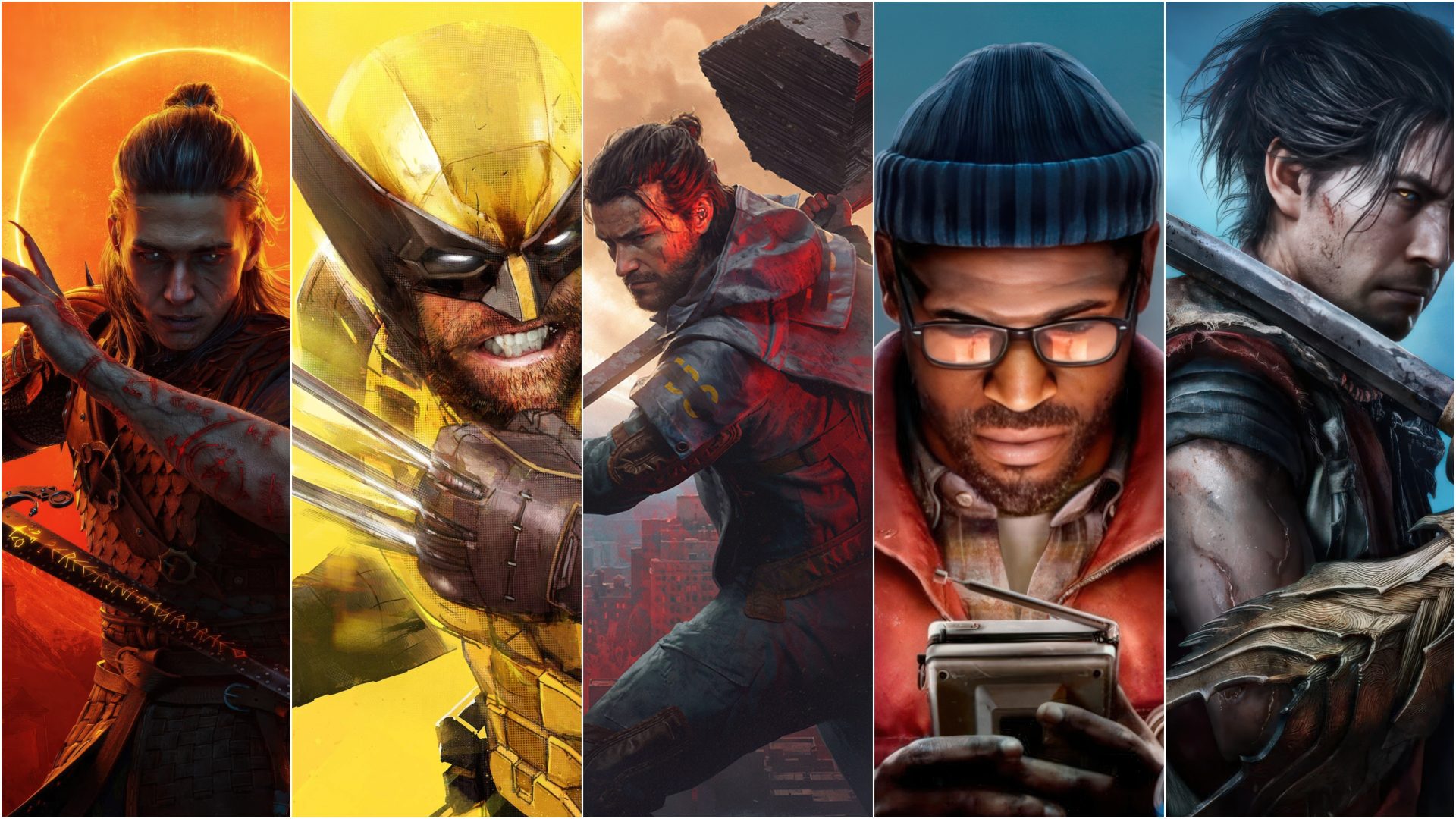
A game that has sold over 2.2 million copies and generated more than $150 million in revenue is now the focus of intense corporate interest, with Amazon reportedly vying for rights to develop a sequel. The franchise, known for its immersive open-world design and competitive multiplayer modes, represents a high-stakes opportunity for Amazon to expand its influence in gaming.
At a glance:
- A game with 2.2 million sales and $150M+ revenue is now targeted by Amazon for a sequel.
- The current studio behind the franchise remains unnamed, but negotiations are expected to be complex and high-stakes.
- Amazon’s interest reflects a broader trend of tech giants pursuing gaming IPs with an emphasis on scalability and cross-platform integration.
- The original game’s success is rooted in its open-world design and multiplayer focus, which Amazon may aim to expand or replicate.
- Potential challenges include balancing corporate interests with the franchise’s established fanbase and preserving its creative identity.
The game has been a standout in its genre since its launch, thanks to its deep single-player experience and competitive multiplayer modes. Its sales figures alone place it among the top-tier franchises, but the real intrigue lies in how it might evolve under new ownership. Amazon’s reported interest is not just about securing rights; it’s about reshaping the franchise’s future in a way that aligns with its broader business strategy.
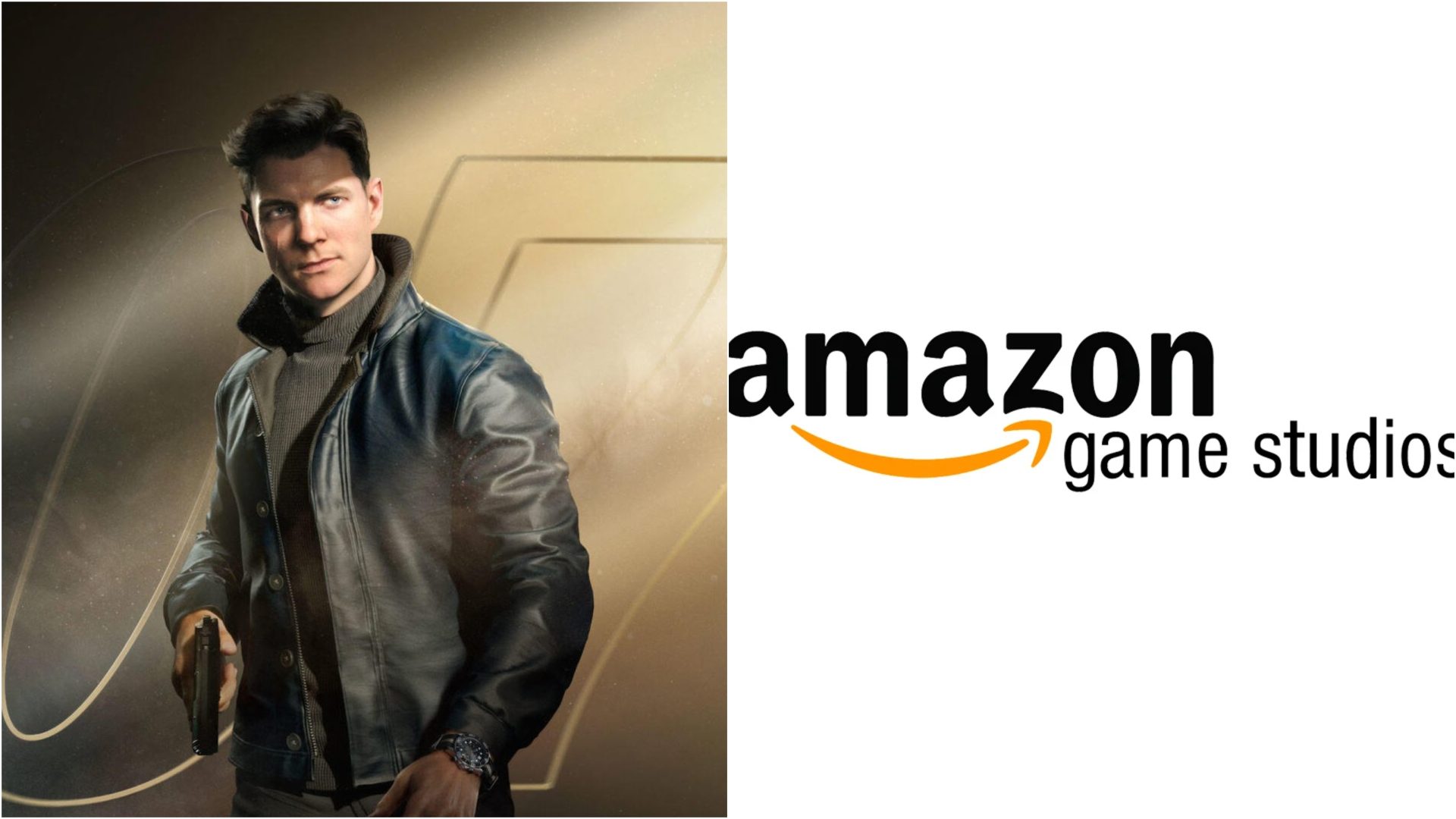
Amazon has a history of focusing on scalability and cross-platform integration in its gaming acquisitions, which suggests that if it acquires this franchise, there would likely be a push toward cloud-based services or subscription models. Such moves could alter the game’s identity, potentially alienating fans who value its precision mechanics and competitive balance. The original game’s success was built on more than just spectacle—it required careful design to ensure both single-player depth and multiplayer engagement.
For players and investors alike, the implications of this potential sequel are significant. If Amazon succeeds in acquiring the rights, it could set a new benchmark for franchise reinvention, but only if it can preserve the elements that made the first game special. The question isn’t whether Amazon can deliver a sequel; it’s whether it can do so without diluting the legacy that has already been established.