Intel's desktop processor landscape is undergoing a quiet but significant transformation. The company has begun the process of phasing out its 12th Gen Core processors, signaling the start of the end for the Alder Lake architecture in mainstream consumer systems. While these chips remain functional and capable, their eventual obsolescence prompts a closer look at what this means for Intel's roadmap and the broader PC market.
The end-of-life (EOL) timeline for 12th Gen processors began in early 2026, with the final shipments expected by January 22, 2027. This may seem like a distant milestone, but it underscores Intel's strategic shift toward newer architectures while retaining elements of Alder Lake's hybrid core design. The transition is not just about replacing older models; it reflects a deeper evolution in how Intel approaches performance, power efficiency, and software optimization.
Alder Lake introduced a hybrid approach to CPU design, combining Performance (P) cores for demanding tasks like gaming and Efficient (E) cores for background workloads. This model has since become a staple across Intel's desktop and mobile processors, from the 13th Gen Core i5 13400F to the latest iterations in the 14th Gen lineup. The hybrid design, while initially met with skepticism, has matured significantly, thanks to refinements in thread management and collaboration with Microsoft to ensure Windows leverages these cores effectively.
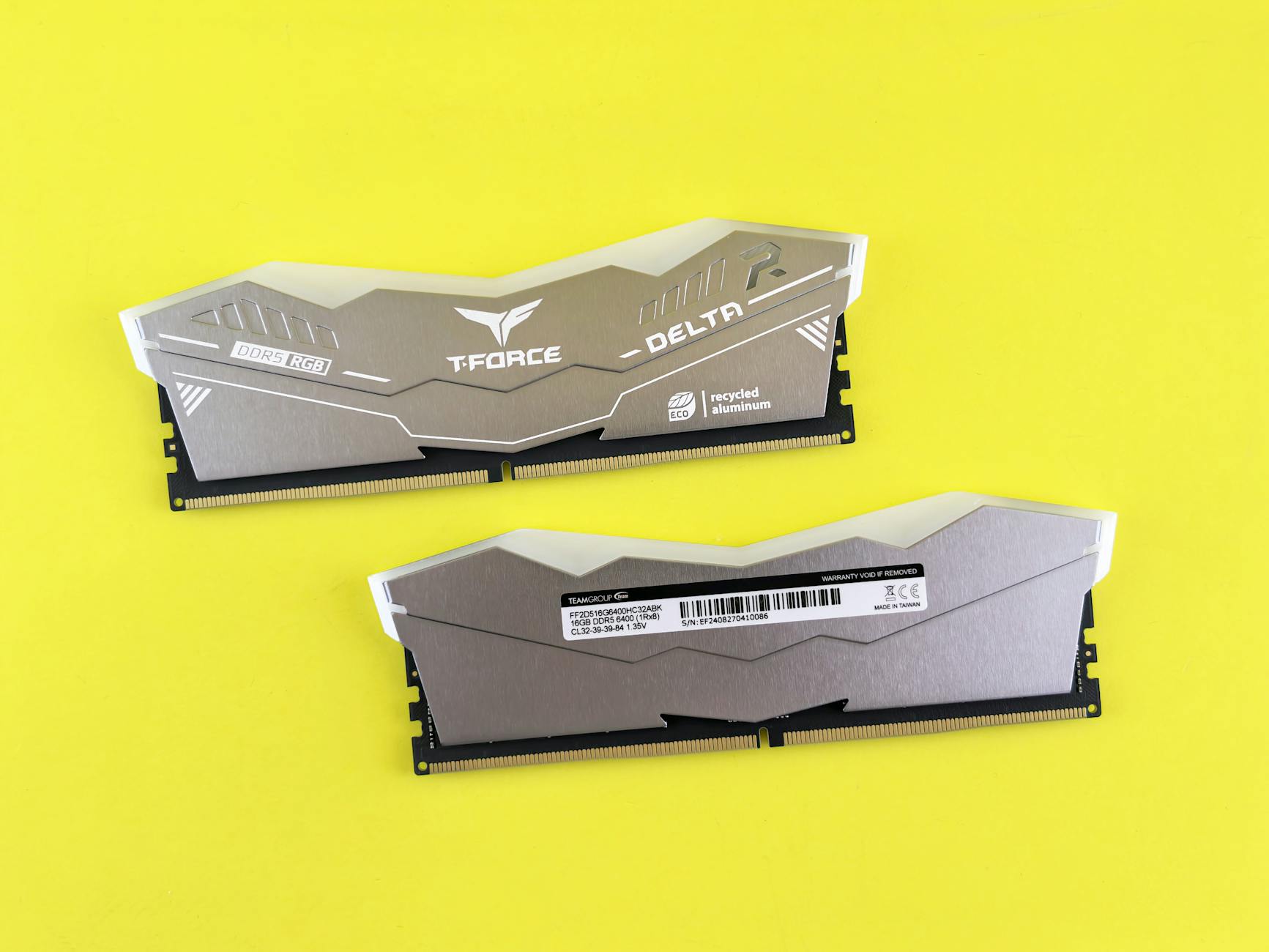
Despite its age, Alder Lake remains a versatile architecture. One of its standout features is the ability to support both DDR4 and DDR5 memory, a flexibility that extends to motherboard compatibility. This dual-memory support means that users looking to upgrade older systems with 12th Gen processors can do so without being forced into costly DDR5 upgrades, provided they choose the right motherboard. However, this versatility comes at a time when newer architectures are pushing the boundaries of performance and efficiency.

The EOL announcement also serves as a reminder that Intel's processor lifecycle typically spans around three years. The 11th Gen chips followed a similar path in April 2023, while the 10th Gen generation was phased out closer to 2020. This consistent cadence suggests that 12th Gen processors will continue to be supported for some time, but their eventual retirement is inevitable.
For users currently running 12th Gen processors, the EOL date of July 24, 2026, is a notable one. After this point, replacements for faulty chips will no longer be available, though existing systems will continue to function normally. While newer processors offer advancements in speed and power efficiency, Alder Lake's stability and proven performance make it a reliable choice for tasks ranging from gaming to light server workloads.
- Memory Support: DDR4 and DDR5
- Chipsets: Core i5 13400F (Alder Lake-based), Core i5 14400
- Architecture: Hybrid P-core and E-core design
The hybrid core design introduced by Alder Lake has set a new benchmark for Intel's desktop processors. While it may no longer be the cutting edge, its legacy is evident in the continued refinement of this approach across subsequent generations. As Intel moves forward with newer architectures like Arrow Lake and Panther Lake, the focus remains on balancing performance with power efficiency—a challenge that Alder Lake addressed but did not fully resolve.
For now, 12th Gen processors remain a viable option for users seeking stability without the need for the latest hardware. Their end-of-life marks not just the end of an era but also the beginning of Intel's next chapter in desktop computing, one that promises further innovation and evolution in how CPUs are designed and utilized.