The demand for more powerful gaming rigs has always come with a tradeoff: better performance often means higher power consumption and increased heat output. However, a recent development is challenging that norm by introducing a new standard that delivers substantial performance improvements while also improving efficiency.
This new approach, designed to meet the needs of both gamers and professionals, combines advanced architecture with optimized power delivery. The result is a significant leap in performance-per-watt, reducing thermal output without sacrificing raw performance. For PC builders, this means more options for efficient builds that don’t compromise on power.
Technical Breakthroughs
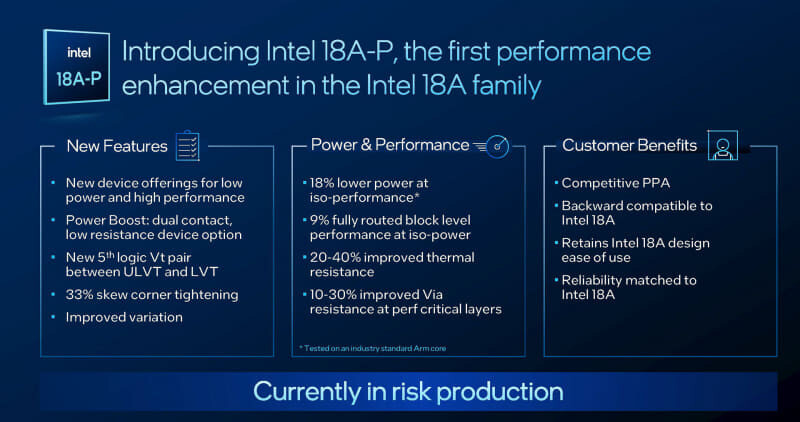
The core of this new standard lies in its ability to deliver up to 150 teraflops of compute power while operating at lower clock speeds and voltages. This is achieved through a combination of advanced manufacturing techniques and architectural improvements, which allow the component to maintain high performance even under demanding workloads. Additionally, the thermal design has been refined to handle sustained loads more effectively, reducing the need for aggressive cooling solutions.

Implications for Builders
For PC builders, this new standard presents a compelling opportunity to balance power and efficiency. The reduced thermal output means that builds can be designed with less emphasis on high-end cooling systems, freeing up budget for other critical components like storage or additional GPUs in multi-GPU setups. However, the increased efficiency also raises questions about long-term reliability and whether this shift will lead to more stable systems under prolonged use.
Looking Ahead
The introduction of this new standard is just the beginning. As manufacturers continue to push the boundaries of what’s possible in terms of performance-per-watt, PC builders can expect even more innovative solutions that prioritize efficiency without compromising on power. The challenge will be determining which components offer the best balance for specific use cases, whether it’s gaming, content creation, or professional workloads.
Final Considerations
The most significant change this new standard brings is a fundamental shift in how performance and efficiency are balanced. While the raw power remains impressive, the focus on reducing thermal output and improving energy efficiency could redefine what PC builders expect from their components. This will likely lead to more stable, longer-lasting systems that perform better without the need for excessive cooling or power consumption.