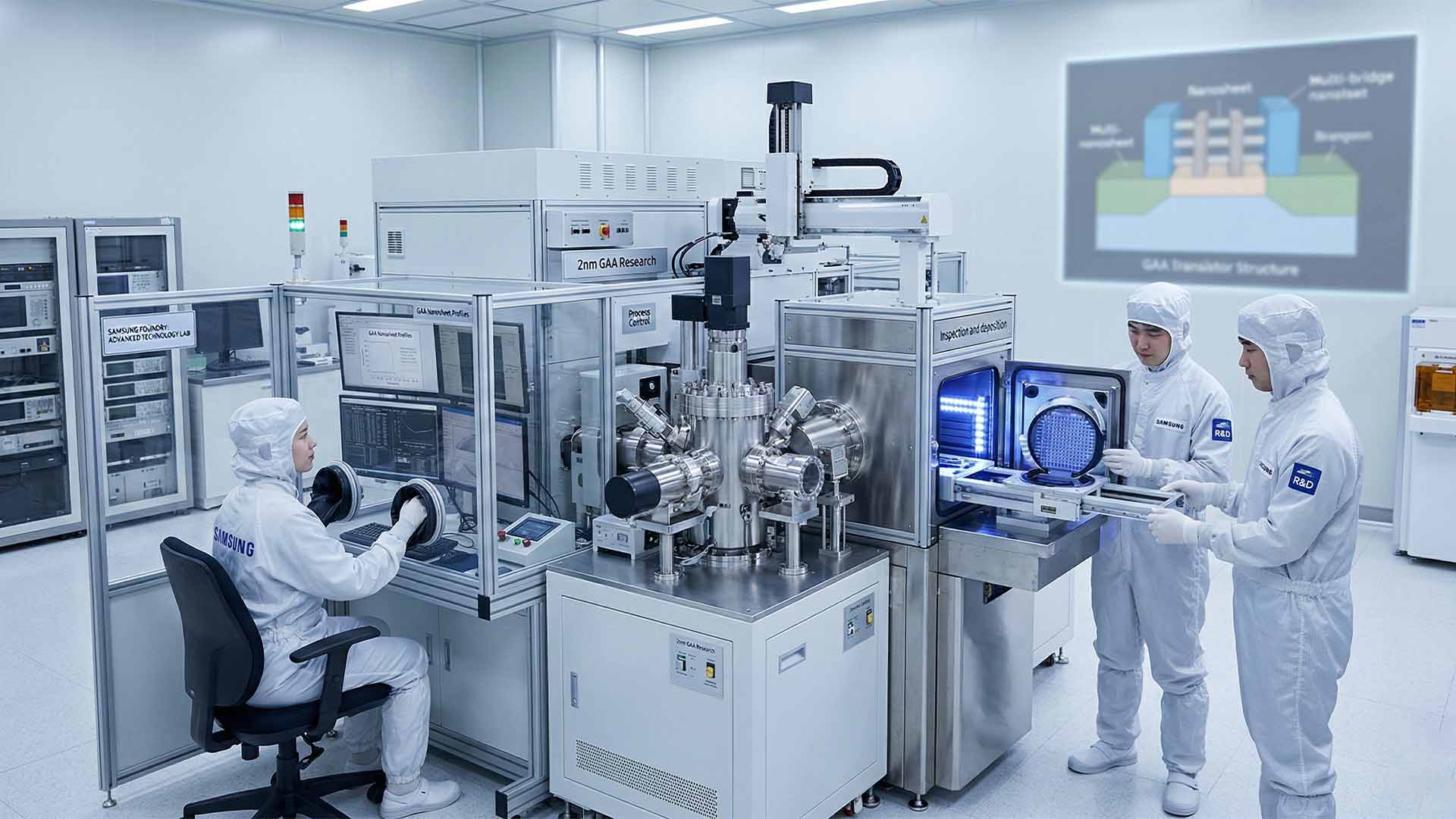
AMD's Threadripper 'Mustang Peak' processor marks a significant evolution in workstation computing, combining advanced manufacturing with architectural improvements to deliver unparalleled processing power. Built on the TR6 platform, this new chip leverages a 2nm process node—likely from Samsung's foundry—to achieve efficiency gains while maintaining the raw throughput that has defined Threadripper since its inception.
The shift to Zen 6 cores introduces refinements that go beyond mere clock speed increases. These changes are expected to enhance performance in complex workloads, such as rendering, compiling large codebases, or processing high-resolution data sets. The integration of PCIe Gen6 support further amplifies these capabilities, offering developers and content creators faster data transfer rates for GPUs, storage solutions, and multi-GPU configurations.
For users, the transition to Mustang Peak represents a tangible improvement in workflow efficiency. Whether working on 3D modeling projects, VFX pipelines, or large-scale data analysis, the processor's design promises to reduce iteration times and improve system responsiveness. Developers, in particular, may see significant reductions in build times for complex software, provided their tools are optimized for the new architecture.
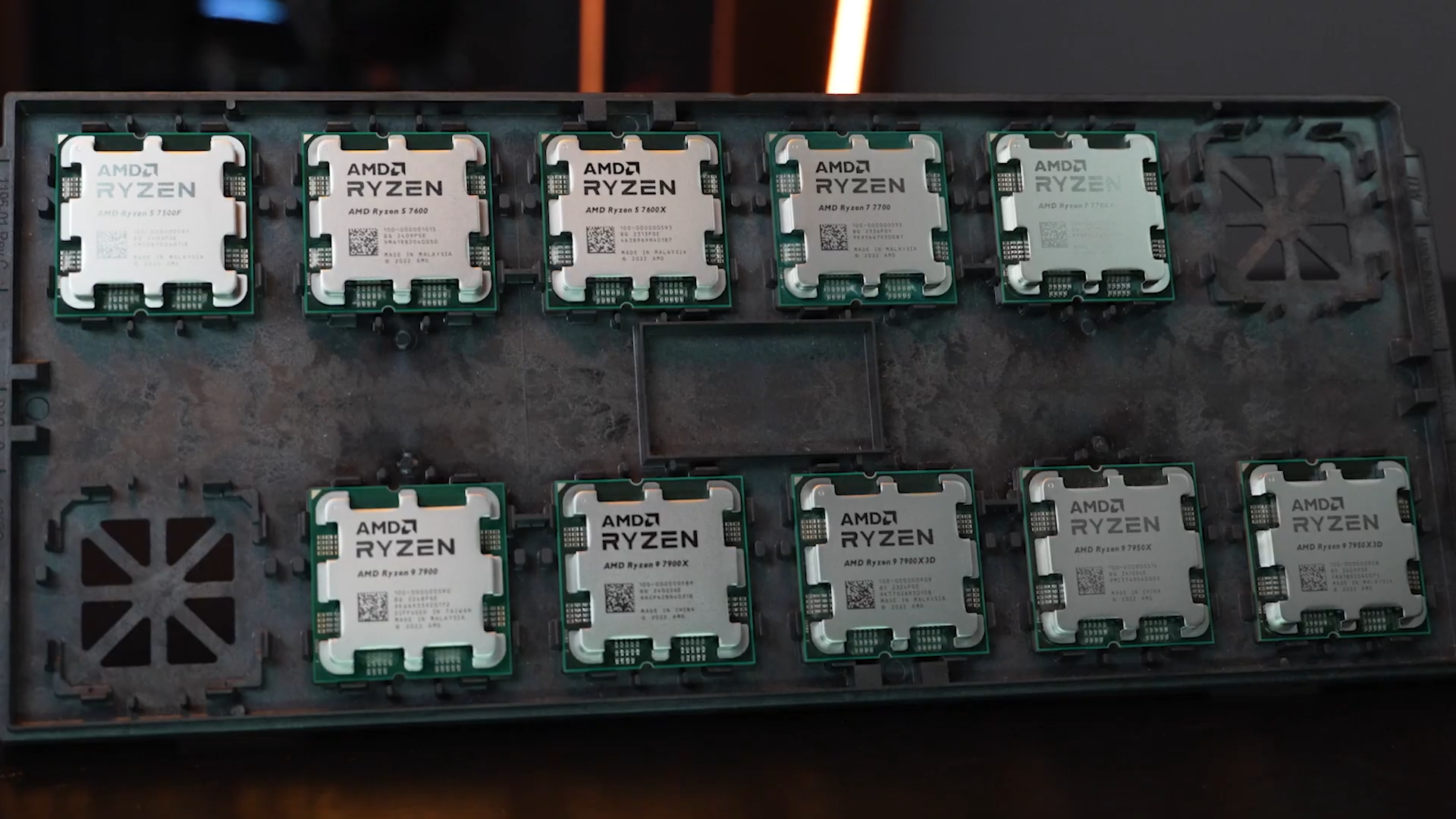
On the administrative side, the TR6 platform introduces new considerations for IT teams and motherboard manufacturers. The increased thermal output and performance demands of Mustang Peak will likely require more robust cooling solutions, such as larger heatsinks or liquid-cooling readiness. Power delivery systems must also be upgraded to handle the higher wattage, potentially leading to more complex and expensive motherboard designs. For organizations looking to future-proof their infrastructure, this transition offers an opportunity to invest in hardware that will remain relevant for years to come.
The long-term roadmap for Mustang Peak remains speculative, but AMD's track record suggests a multi-year cycle of performance improvements. Whether this processor delivers on that promise will depend on how quickly software developers adapt to the new architecture and whether users are willing to invest in a platform that may not see another upgrade for several years.
For now, Mustang Peak stands as a testament to AMD's commitment to pushing the boundaries of workstation performance. It is a reminder that the pursuit of performance extends beyond consumer-grade chips, encompassing the needs of professionals who demand the best tools for their craft. The decision to adopt TR6 will ultimately hinge on whether users perceive the leap in capability as justified by the investment—or if they prefer to wait for the next generation.