Healthcare is entering an AI-driven renaissance, where connectivity, real-time diagnostics, and personalized medicine are no longer futuristic concepts but operational realities. ASUS has laid out a comprehensive vision for this transformation, centering on a **Cyber-Physical System (CPS)** that merges digital infrastructure with physical medical environments. The framework is designed to address critical gaps in global healthcare—aging populations, clinician shortages, and fragmented care delivery—by embedding AI into every layer of medical practice.
At the heart of the strategy is a **three-tiered architecture**: smart digital infrastructure, digital healthcare platforms, and specialized applications. This structure ensures that AI isn’t just an add-on but the backbone of hospital operations, from imaging to administrative workflows.
Building the Foundation: R&D, Compliance, and Security
ASUS’s approach hinges on four core principles to ensure scalability and reliability. The company is investing heavily in **R&D for medical algorithms**, including imaging and physiological data processing, alongside **cloud-assisted edge computing** to decentralize AI workloads. This autonomy allows for rapid adaptation to evolving clinical needs.
Regulatory rigor is another cornerstone. All ASUS healthcare products—from the **VivoWatch** to the **Handheld Wireless Ultrasound (LU800)**—adhere to **ISO 13485** and **QMS standards**, with certifications spanning global markets. Cybersecurity is equally prioritized, with **ISO 27001, 27701, and HIPAA compliance** ensuring patient data remains protected. The integration of **ASUS Cloud, Taiwan AI Cloud, and the Taiwan Health and Bio DataBank Technology (THBC)** further solidifies the ecosystem, connecting data, computing power, and clinical applications under a unified framework.
Key Innovations: From Bedside Ultrasound to Remote Monitoring
The ASUS portfolio spans multiple domains, each addressing a specific pain point in modern healthcare

- Handheld Wireless Ultrasound (LU800): Eliminates the need for fixed ultrasound machines, bringing Point-of-Care Ultrasound (POCUS) directly to patient bedsides. This mobility improves diagnostic speed in emergency and critical care settings.
- VivoWatch: Enables **continuous patient monitoring** beyond traditional clinic visits, capturing dynamic data that complements fragmented historical records. The device supports **Remote Health and Hospital-at-Home** initiatives, extending care into communities.
- xHIS Next-Generation Medical Information Platform: Streamlines hospital operations with AI-powered voice documentation for nursing staff, reducing administrative burdens while improving data accuracy.
- Ward Monitoring and Early Warning System: Uses real-time analytics to optimize medical resource allocation, helping hospitals respond proactively to patient deterioration.
- EndoAim Endoscopy-Assisted System: Enhances lesion detection during procedures through computer-assisted imaging, increasing procedural precision.
- AI Health Assistant Platform: Integrates medical records and physiological data to deliver **personalized treatment recommendations**, leveraging THBC’s health data infrastructure.
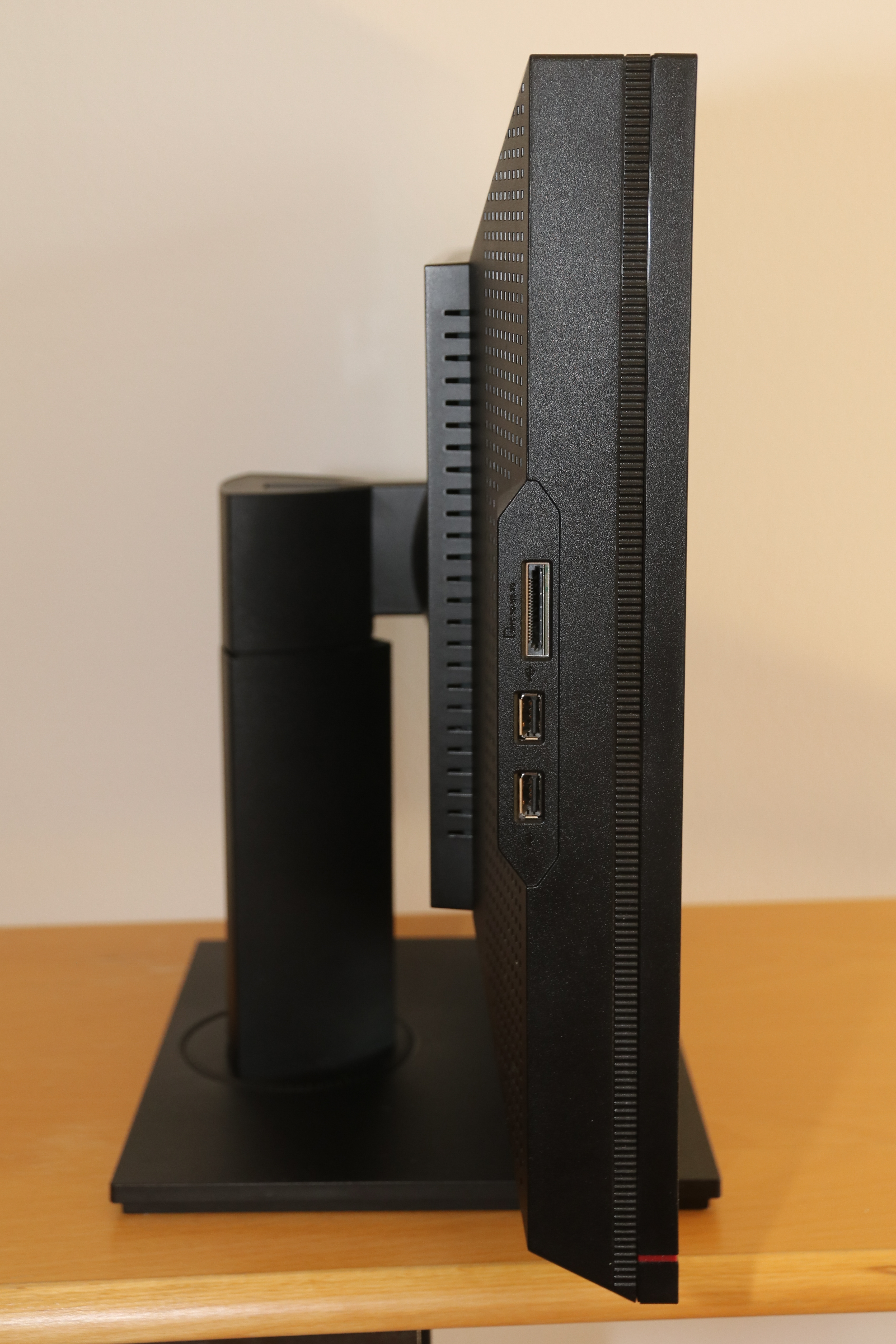
The **MH Series Clinical Displays** complete the ecosystem, providing high-fidelity visuals essential for radiology and surgical workflows. Together, these innovations form a **patient-centric model** that reduces clinician fatigue, minimizes errors, and expands access to specialized care.
A Call to Collaborate: Shaping the Future of Medicine
ASUS isn’t just developing products—it’s inviting healthcare leaders to co-create the next generation of medical systems. The company offers **end-to-end support**, from AI model training and hardware development to system integration. By partnering with institutions like the **National Health Research Institutes (NHRI)**, ASUS is positioning itself as a bridge between technology and clinical practice.
The vision extends beyond hospitals. AI-driven telehealth and remote monitoring break geographical barriers, ensuring rural and underserved populations gain access to high-quality diagnostics. For medical professionals, this means **faster, data-driven decisions**; for patients, it means **continuous, personalized care**; and for healthcare systems, it means **operational efficiency at scale**.
ASUS Chairman Jonney Shih’s statement at the 2024 **Institute for Biotechnology and Medicine Industry (IBMI) annual meeting** encapsulates the ambition: *Future healthcare will be AI-centric, building a smart Cyber-Physical System that integrates virtual and physical realms.* The company’s roadmap suggests this future isn’t decades away—it’s being built today.
With a decade on Fortune’s **World’s Most Admired Companies** list and a commitment to a **net-zero, circular economy**, ASUS is leveraging its R&D expertise—5,000 in-house engineers—to turn this vision into reality. The question now isn’t whether AI will reshape healthcare, but how quickly institutions will adopt it.