ASUS is doubling down on AI servers, positioning itself as a key player in the growing data center market while navigating challenges in the consumer PC segment. The company's server revenue has surged, now accounting for nearly one-fifth of its total earnings, signaling a strategic pivot away from traditional hardware sales.
The shift reflects broader industry trends where memory shortages and supply chain disruptions have made consumer PC manufacturing less predictable. ASUS, like other major vendors, is betting on AI infrastructure as a more stable revenue stream. This approach could redefine how PC manufacturers operate if market conditions remain uncertain.
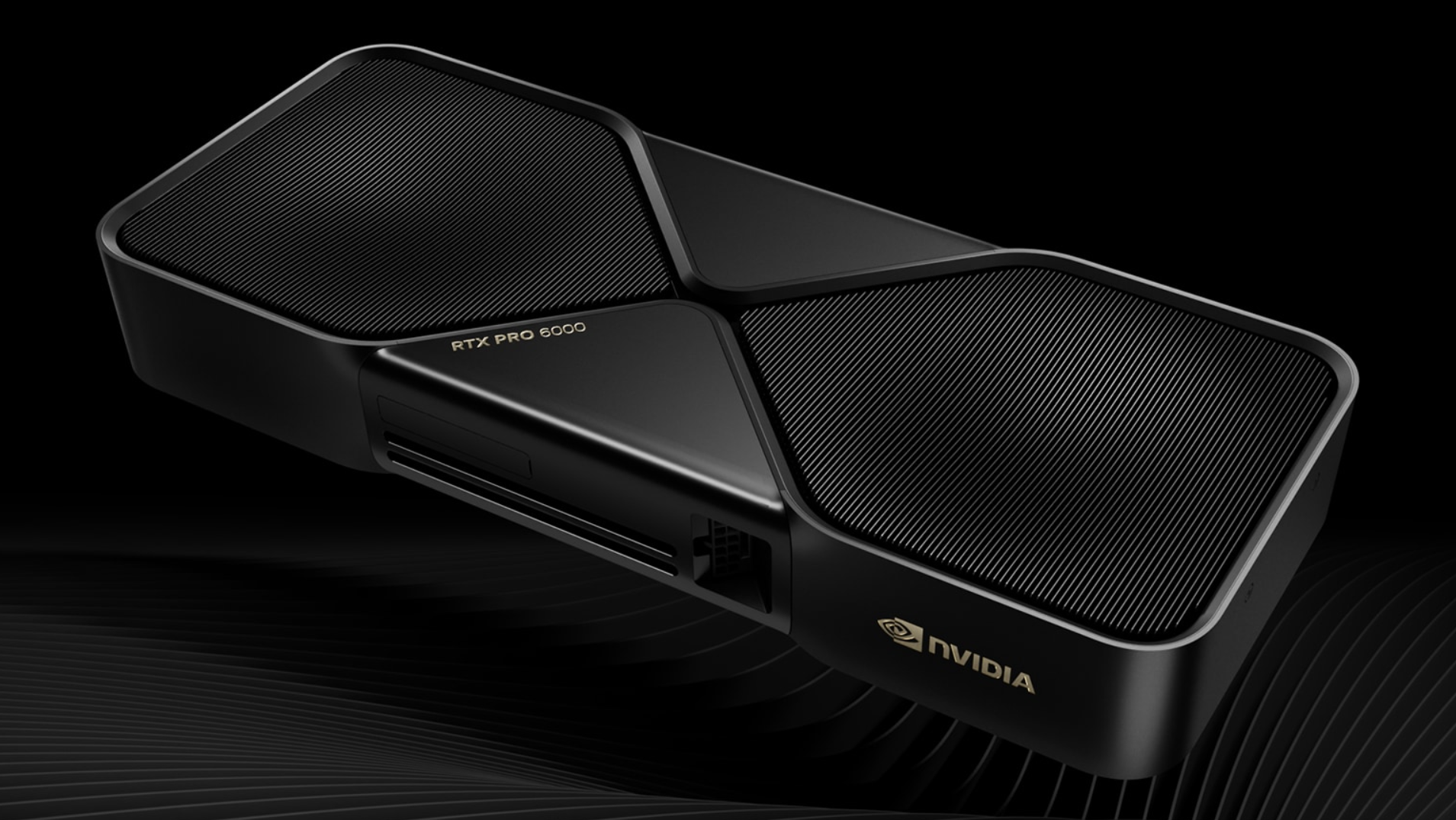
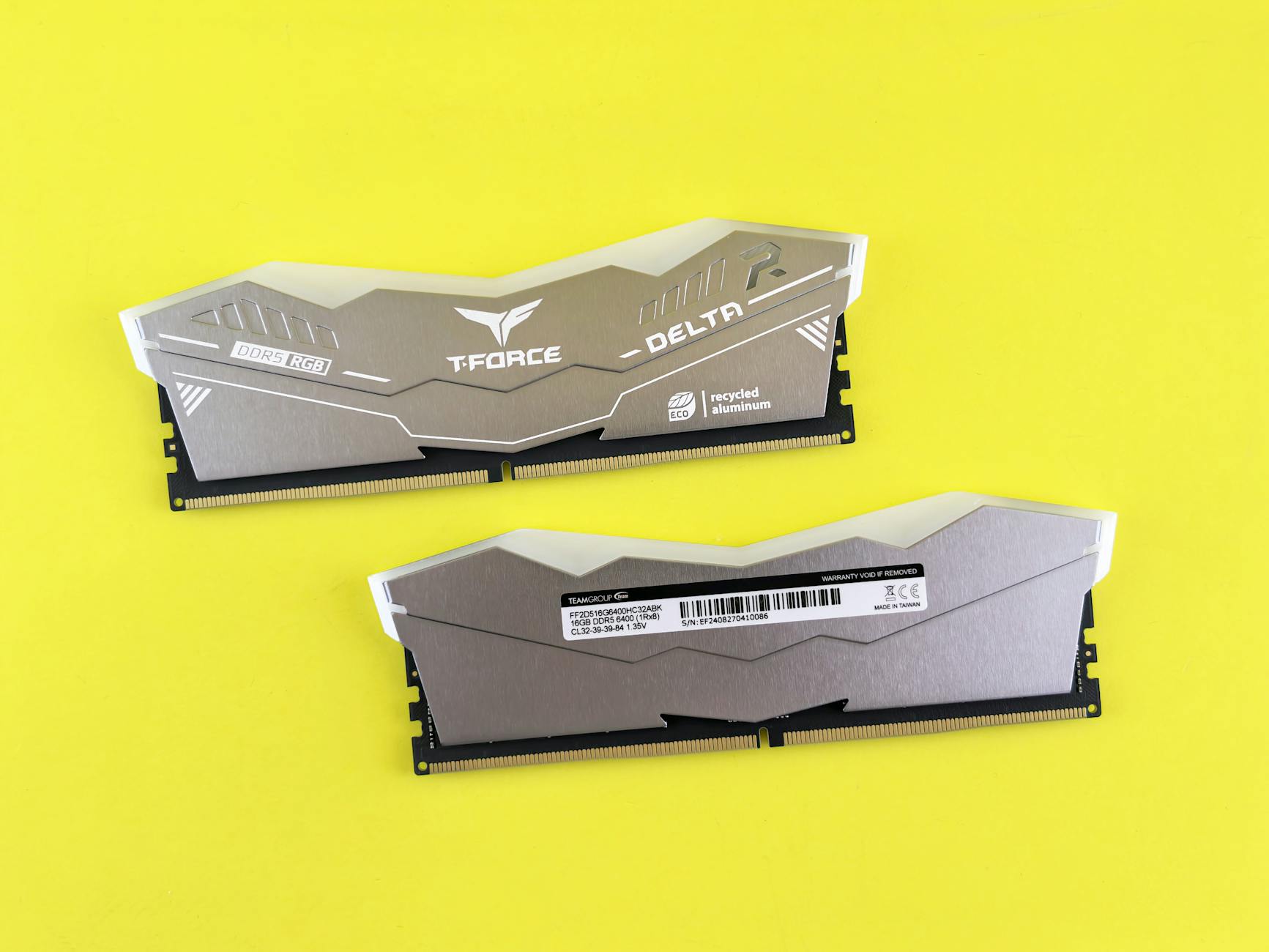
Key specs for ASUS's latest AI server offerings include support for DDR5 memory and PCIe 5.0 connectivity, aligning with the demands of high-performance computing workloads. The company's focus on AI servers also highlights its role as a major supplier to NVIDIA's data center solutions, reinforcing its position in the AI ecosystem.
- Memory: DDR5
- Chipset: Blackwell Ultra-based AI PODs and HGX systems (e.g., B300)
- Connectivity: PCIe 5.0
- Revenue Impact: Server revenue now represents 20% of total earnings, exceeding expectations
The emphasis on AI servers suggests ASUS is preparing for a scenario where consumer PC demand fluctuates due to component shortages. This strategy could provide stability in an otherwise volatile market. However, the trade-off may be reduced focus on high-margin consumer products like gaming laptops or workstations, which rely heavily on advanced CPUs such as AMD's Ryzen 9800X3D.
Looking ahead, ASUS is expected to expand its AI server footprint, potentially influencing how other PC vendors restructure their businesses. If memory shortages persist, the AI infrastructure race could become a critical hedge for manufacturers facing supply constraints.