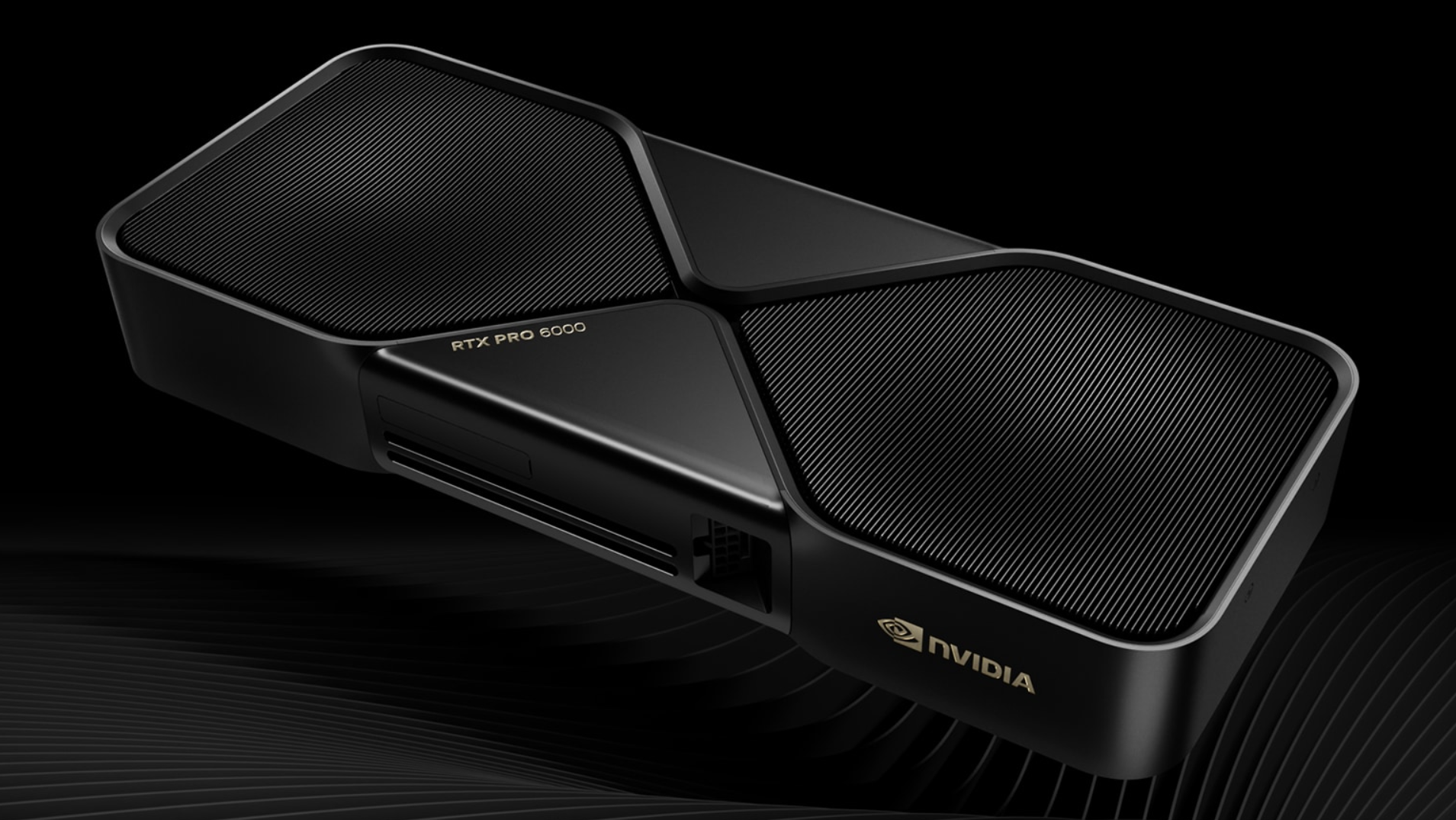
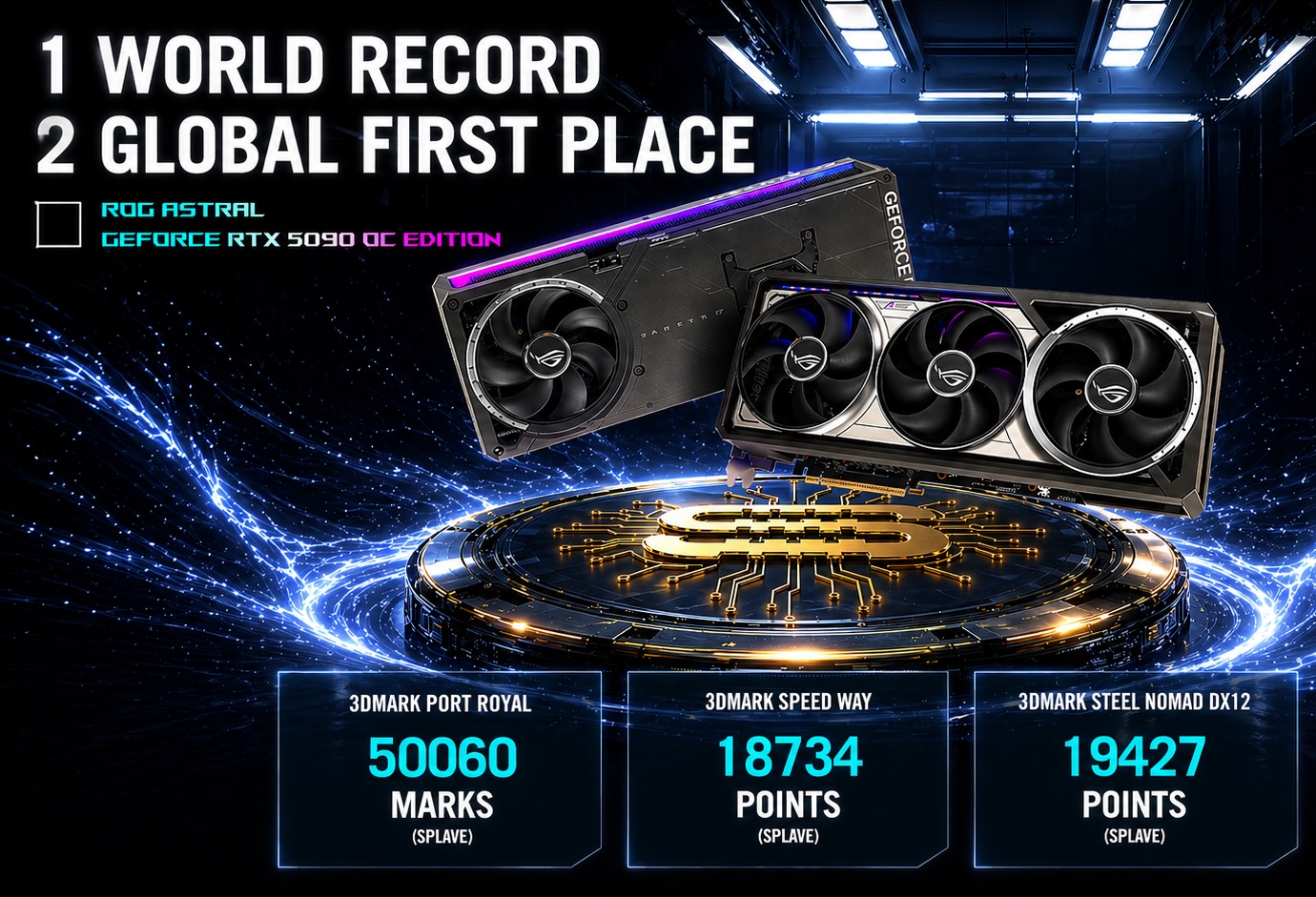
The ASUS ROG Astral RTX 5090 has shattered expectations by reaching a 3.7 GHz boost clock on a single 16-pin power connector, a feat that redefines what’s possible in high-end GPU design. This isn’t just about raw speed—it’s about how much power can be delivered without sacrificing stability or cooling efficiency, a critical factor for enterprise workloads where reliability is non-negotiable.
Traditional GPUs often require multiple 8-pin connectors to sustain such performance levels, but ASUS has managed to squeeze the same output into one connector. That’s not just an engineering trick; it simplifies cable management and reduces points of failure in dense server or workstation setups. The trade-off? A more compact power delivery system that demands precision cooling, making this card a niche player for those who prioritize performance over ease of installation.
World records and real-world impact
The RTX 5090 isn’t just breaking benchmarks—it’s setting new standards. With a Port Royal score exceeding 50,000, it outperforms competitors in ray tracing and compute tasks, which matters for industries like rendering, scientific simulation, and AI training where every cycle counts. The 36 GB/s memory bandwidth further amplifies its lead, but the real question is whether enterprises will adopt this level of performance when platform lock-in becomes a concern.
Who benefits—and who should look elsewhere
For enthusiasts and high-end gamers, the RTX 5090’s specs are undeniably impressive. The ability to sustain such clock speeds on a single connector reduces cable clutter, which is a minor but appreciated improvement in custom PC builds. However, the lack of multiple power connectors means this card isn’t ideal for systems where overclocking or future-proofing is a priority.
Enterprises, on the other hand, face a different set of challenges. The 3.7 GHz boost clock and record-breaking benchmarks are compelling, but platform lock-in remains a significant hurdle. If your workflow relies on specific software or hardware configurations, this card’s performance gains may not translate seamlessly into productivity improvements. That said, for those already invested in NVIDIA’s ecosystem—whether it’s CUDA acceleration or AI integration—the RTX 5090 could be a game-changer.
Market impact: a high-stakes gamble
The RTX 5090’s performance records are undeniable, but its real-world adoption hinges on two factors: cooling and ecosystem compatibility. The single 16-pin connector design is a bold move that could either streamline enterprise deployments or create new support headaches if thermal throttling becomes an issue. For now, the card stands as a benchmark for what’s possible—but whether it translates into widespread adoption remains to be seen.