In 2026, the gaming PC landscape has flipped. Pre-built systems are no longer just an alternative to custom builds—they’re often the smarter choice, delivering performance that matches or exceeds what DIY enthusiasts can cobble together, even when memory prices spike. For IT teams managing hardware for gamers and power users, this shift raises new questions: Can pre-built rigs keep up with demand without breaking budgets? And how do they stack against the risk of compatibility issues that have plagued previous generations?
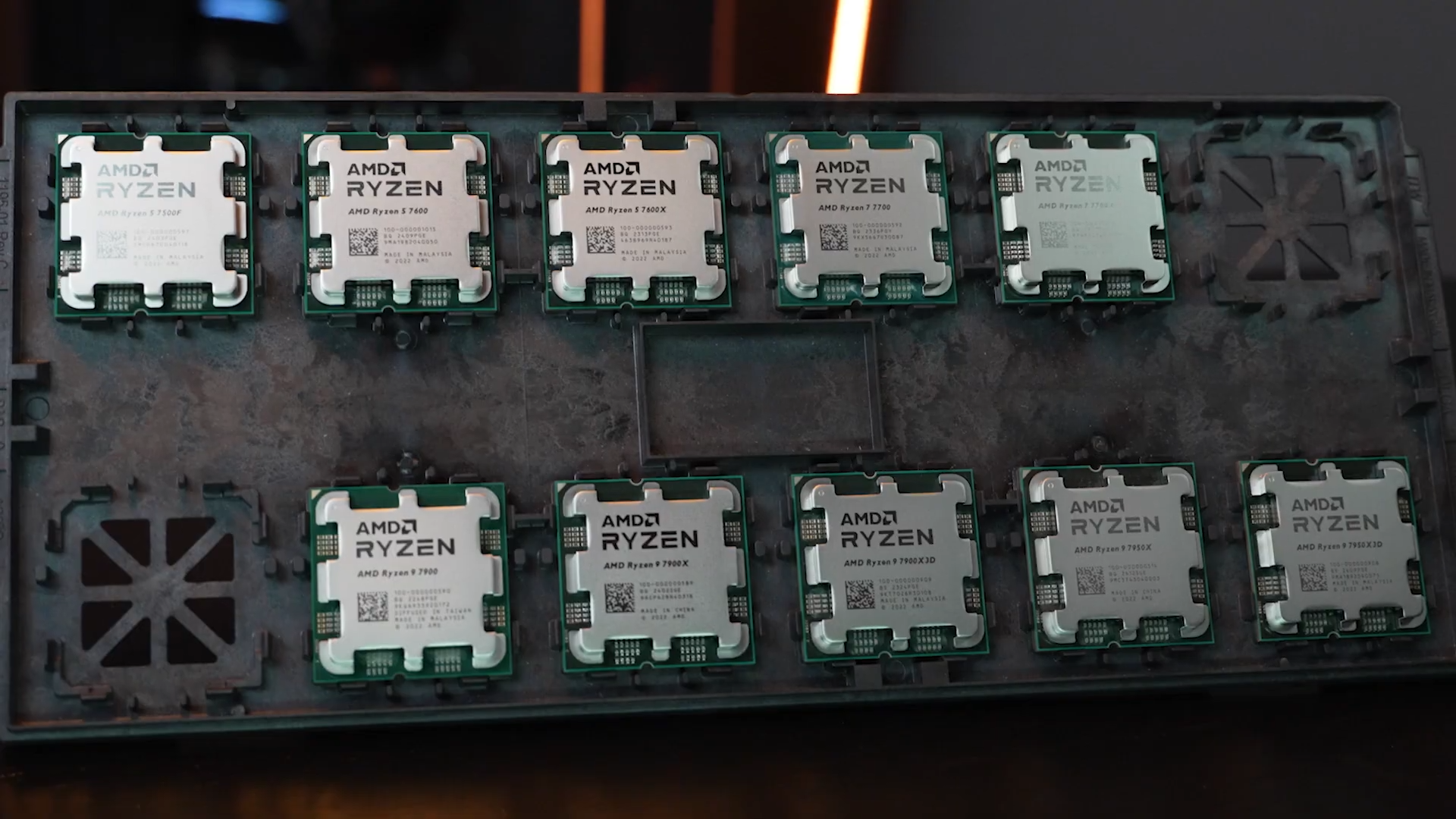
The heart of the change lies in how these systems are designed. Unlike past years, where DIY builds were the only way to squeeze top-tier performance from high-end components, 2026’s pre-built models integrate the latest CPUs, GPUs, and memory without the usual premium. For example, a mid-range pre-built system can now include up to 32GB of DDR5 RAM at a price that used to reserve such capacity for high-end custom builds. That same system might pair an Intel Core i7 or AMD Ryzen 7 processor with a GPU capable of handling modern titles at ultra settings—all while staying within a budget that would have been stretched thin just a year ago.
What’s Different This Time
- Memory prices, which surged in previous years, are now stabilized in pre-built systems, eliminating the ‘RAMpocalypse’ risk for end users.
- Performance benchmarks show that 2026 pre-built rigs match or surpass custom builds in raw power, with some models achieving over 15,000 points in 3DMark’s Time Spy Extreme benchmark—without requiring manual tuning.
- Compatibility has improved significantly. Earlier generations of pre-built systems often lagged behind DIY builds due to limited cooling solutions or suboptimal motherboard choices. This year, manufacturers have addressed those gaps, offering better thermal performance and future-proof expansion options.
The shift isn’t just about specs; it’s about workflow. IT teams that previously relied on sourcing individual components now face a simpler equation: plug-and-play systems that arrive ready to run, with warranties that cover the entire build—not just the GPU or CPU. This reduces the administrative burden of managing hardware inventories and troubleshooting compatibility issues. However, the trade-off is clear: while pre-built rigs eliminate the guesswork, they also mean less control over component selection—a risk for teams that prioritize customization for specific workloads.
A Look at the Numbers
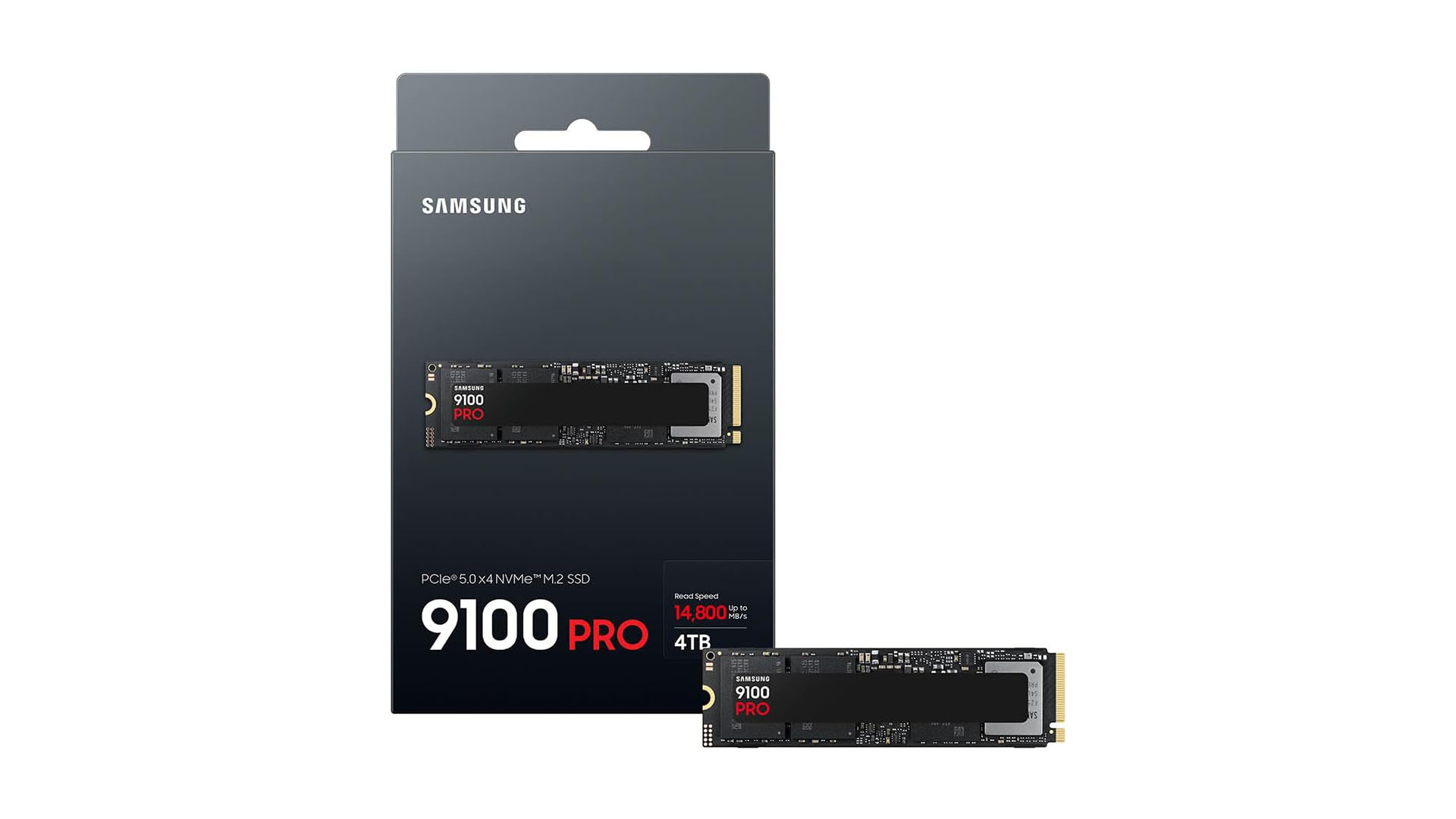
Take a closer look at the memory situation. In 2024 and 2025, DDR5 RAM prices fluctuated wildly, making it nearly impossible to build a system without overspending or waiting months for stock. Today, pre-built systems include 32GB of DDR5 RAM as standard in models that start around $1,800—a price point that would have been unthinkable just two years ago. The same goes for storage: 2TB NVMe SSDs are now commonplace, with some pre-built rigs including PCIe Gen 5 drives that offer sequential read speeds of up to 14,000 MB/s.
But the real story is in the cooling. Older pre-built systems often came with basic air coolers or single-fan setups that struggled under sustained loads. This year’s models, however, feature multi-fan configurations and liquid cooling options as standard, even in mid-range builds. That means better thermal performance without the need for aftermarket upgrades—a significant leap forward.
What It Means for IT Teams
For IT teams, the message is clear: pre-built gaming PCs are no longer a compromise. They offer the performance, stability, and support that used to be exclusive to custom builds. The risk isn’t in the hardware itself; it’s in the transition. Compatibility with existing software stacks or enterprise environments remains a potential hurdle, especially for teams that rely on specific driver configurations or virtualization setups. But the trend is undeniable: pre-built systems are now the default choice for those who want power without the headaches.
The question isn’t whether pre-built rigs can match custom builds anymore—it’s whether IT teams will still bother with the complexity of DIY when plug-and-play solutions deliver so much more out of the box. The answer, for many, is already yes.