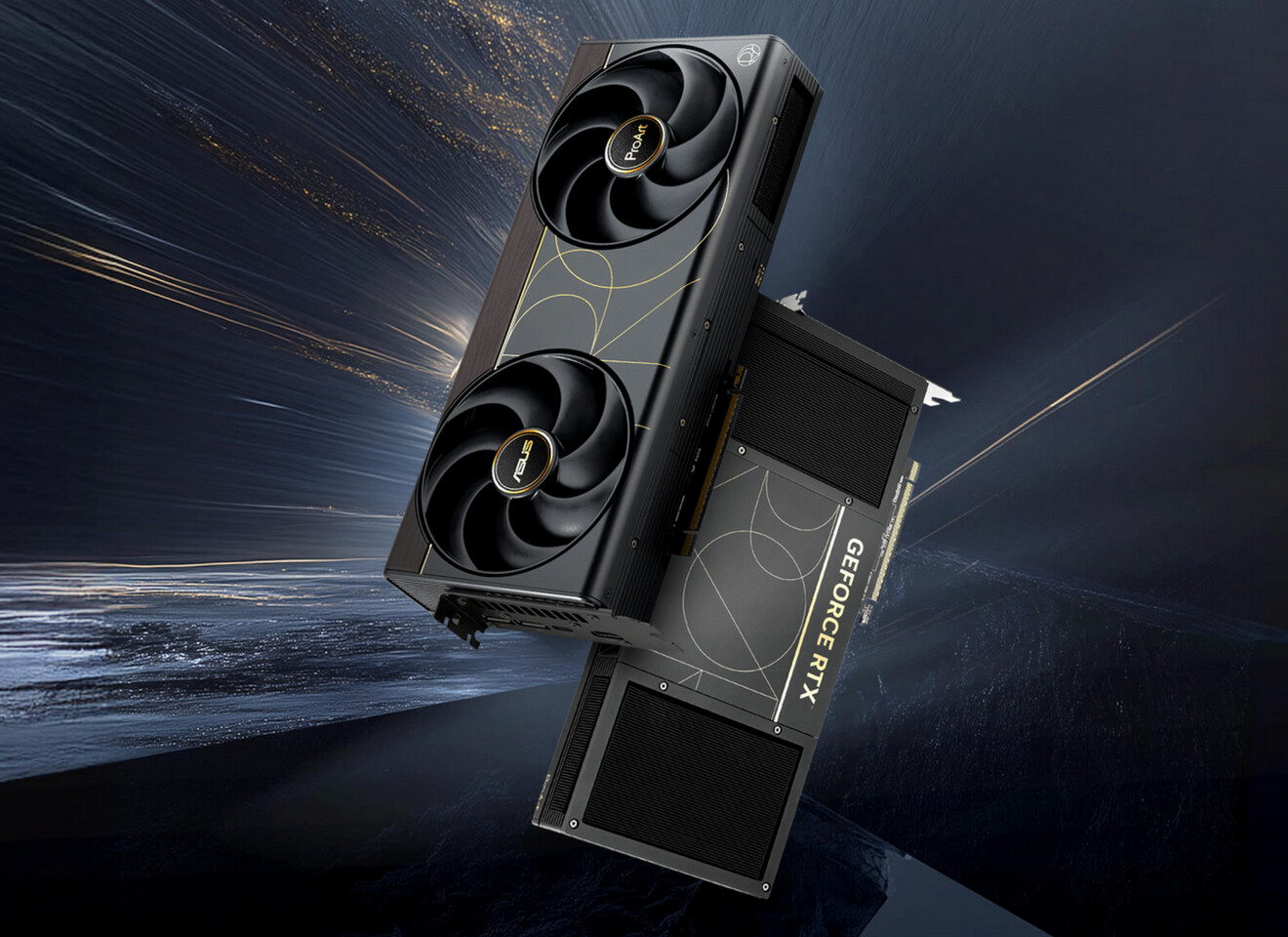
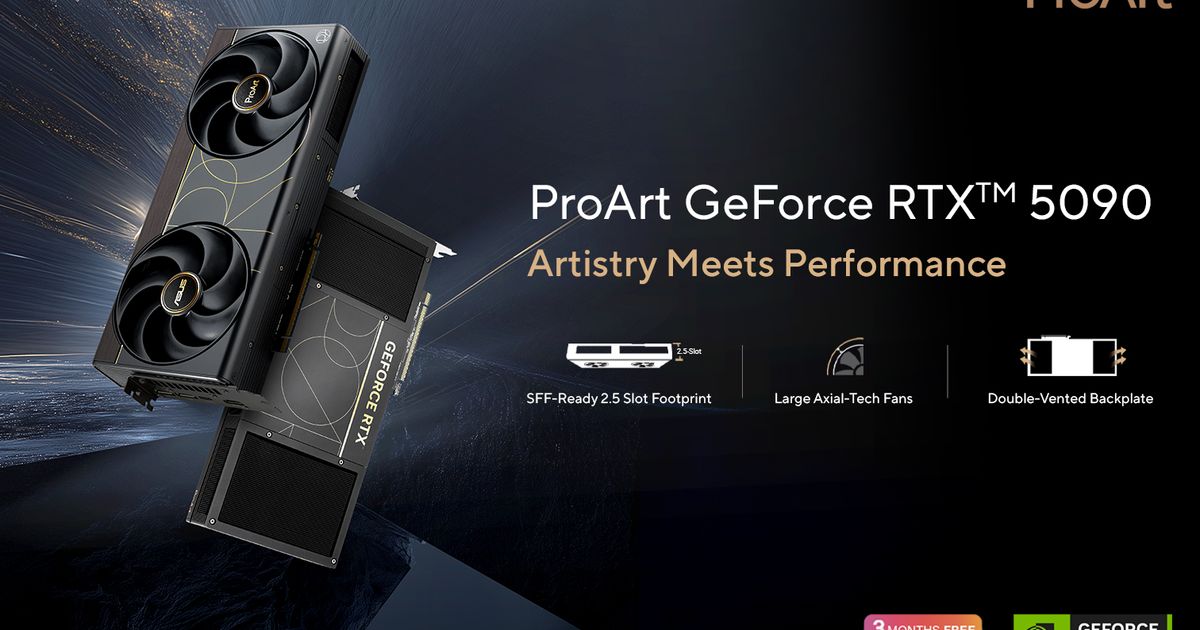
The ASUS ProArt RTX 5090 is not just another graphics card—it’s a leap forward in how professionals handle AI-driven workloads. With its NVIDIA GeForce RTX 50 architecture, it delivers unmatched performance, pushing the boundaries of what’s possible for rendering and creative tasks.
At the heart of this card lies the Ada Lovelace architecture, built on a 4-nanometer process. This isn’t just about raw power; it’s about efficiency. The RTX 5090 packs 16,384 CUDA cores, 128 texture units, and 64 ROPs, all running at a base clock of 2,025 MHz with a boost clock reaching up to 2,500 MHz. These specs translate to significant improvements in real-time rendering, AI upscaling, and other demanding applications.
Why This Matters for Creators
The RTX 5090 isn’t just about brute force; it’s designed with professional workflows in mind. Its 24GB of GDDR6 memory ensures smooth performance even when working with high-resolution assets or complex AI models. The card also features NVIDIA’s DLSS 3, which can dramatically improve frame rates while maintaining image quality—something creators will notice immediately during long rendering sessions.
Coolness is often an afterthought in high-end GPUs, but ASUS has addressed this with a dual-fan design that keeps temperatures in check even under prolonged loads. This means less noise and more stable performance, which is crucial for users who rely on their setup for hours at a time.
A New Standard for Compatibility
One of the standout features of the ProArt RTX 5090 is its compatibility with professional-grade monitors. It supports multiple displays, including those with high refresh rates and resolutions, making it ideal for video editors, 3D artists, and AI researchers who need to work across multiple screens without sacrificing performance.
For PC builders, the card’s PCIe 4.0 interface ensures it integrates seamlessly into modern systems. However, its power requirements are significant—it draws up to 500 watts under full load. This means users will need a robust power supply and proper cooling to fully leverage its capabilities without risking system instability.
The ASUS ProArt RTX 5090 is set to redefine what’s possible in AI-driven creativity, but it comes with tradeoffs. Its high memory capacity and processing power make it a must-have for professionals, but the price point will likely be steep. For those willing to invest, though, this card represents the future of high-performance computing in creative workflows.