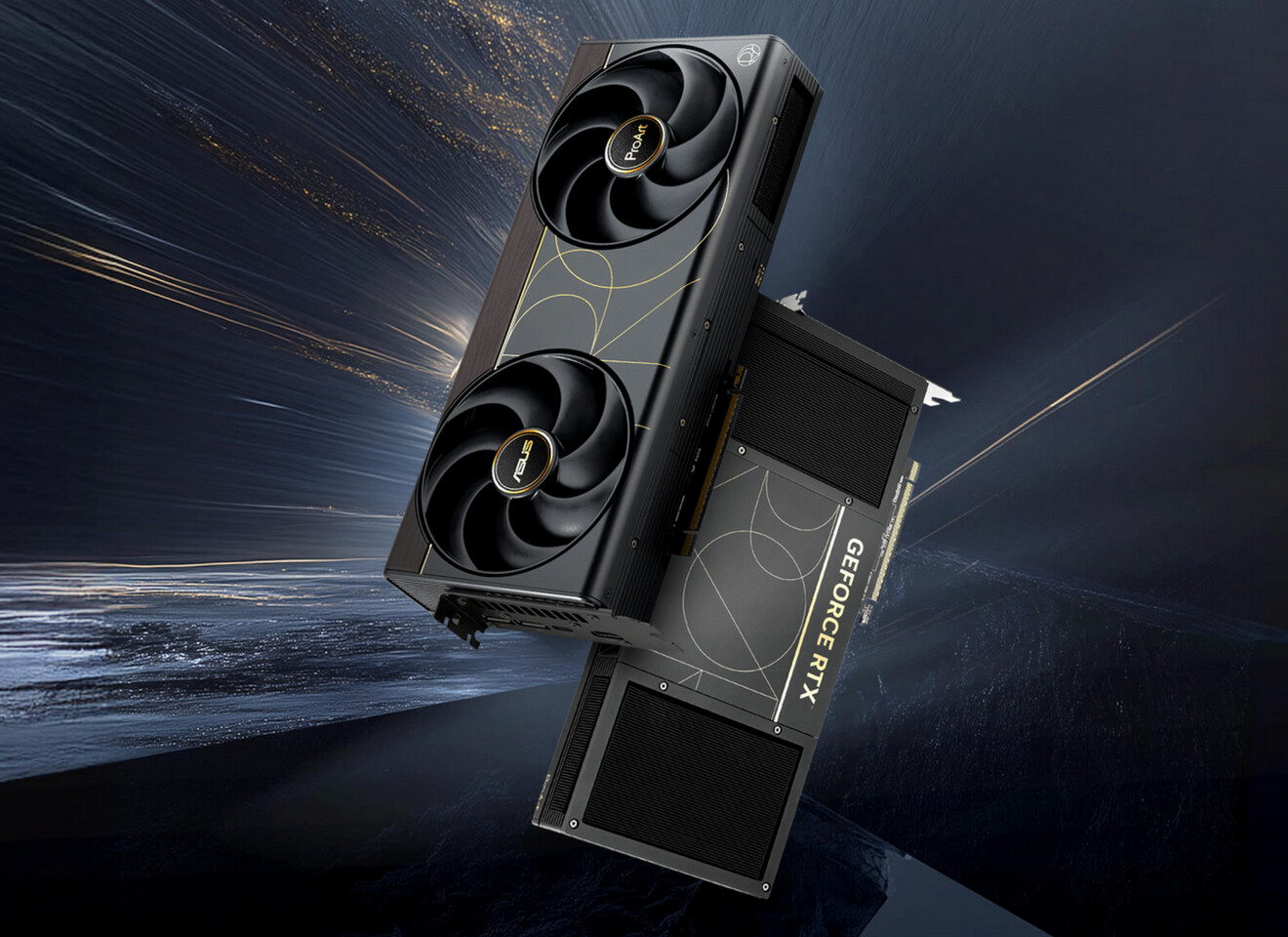
The gaming landscape is evolving, and AMD’s latest GPU, the RX 9070 XT, stands at the forefront of this shift. Unlike previous generations that focused solely on raw power, the RX 9070 XT introduces a more nuanced approach—balancing efficiency with performance in ways that could redefine how developers optimize for modern workloads.
At its core, the RX 9070 XT leverages AMD’s Ampere architecture, but with a critical refinement: it combines Zen-based CPU cores with a 2 nm process node for compute units (CCDs) and a 3 nm node for I/O dies. This hybrid approach isn’t just about shrinking transistors; it’s about rethinking how GPUs handle tasks that demand both speed and power efficiency. The result is a card that pushes the boundaries of what’s possible in high-end gaming while setting a new benchmark for future-proofing.
Where It Fits: A Workload-Specific Approach
The RX 9070 XT isn’t just another incremental upgrade. It’s designed to address a growing demand for GPUs that can handle complex, multi-threaded workloads without sacrificing performance in traditional gaming scenarios. This dual-node strategy allows AMD to optimize power consumption—critical for systems where thermal management is a priority—while maintaining the raw throughput needed for AI-accelerated tasks and high-resolution rendering.
- Compute Units (CCDs): 2 nm TSMC process node, delivering higher efficiency without compromising clock speeds.
- I/O Die: 3 nm TSMC process node, reducing latency in data transfer while supporting advanced features like PCIe 5.0.
- Memory Configuration: 192 MB of Infinity Cache, a feature that has become synonymous with AMD’s high-end GPUs for reducing memory bottlenecks.
- Power Consumption: A TDP of 200 W, designed to balance performance with system stability in both desktop and workstation setups.
This isn’t just about specs on paper. The RX 9070 XT’s architecture reflects a broader trend in the industry: GPUs are no longer just about rendering frames per second. They’re becoming the backbone of workloads that span AI training, real-time data processing, and even hybrid computing scenarios where CPUs and GPUs collaborate more closely than ever before.
A Strategic Move for the Ecosystem
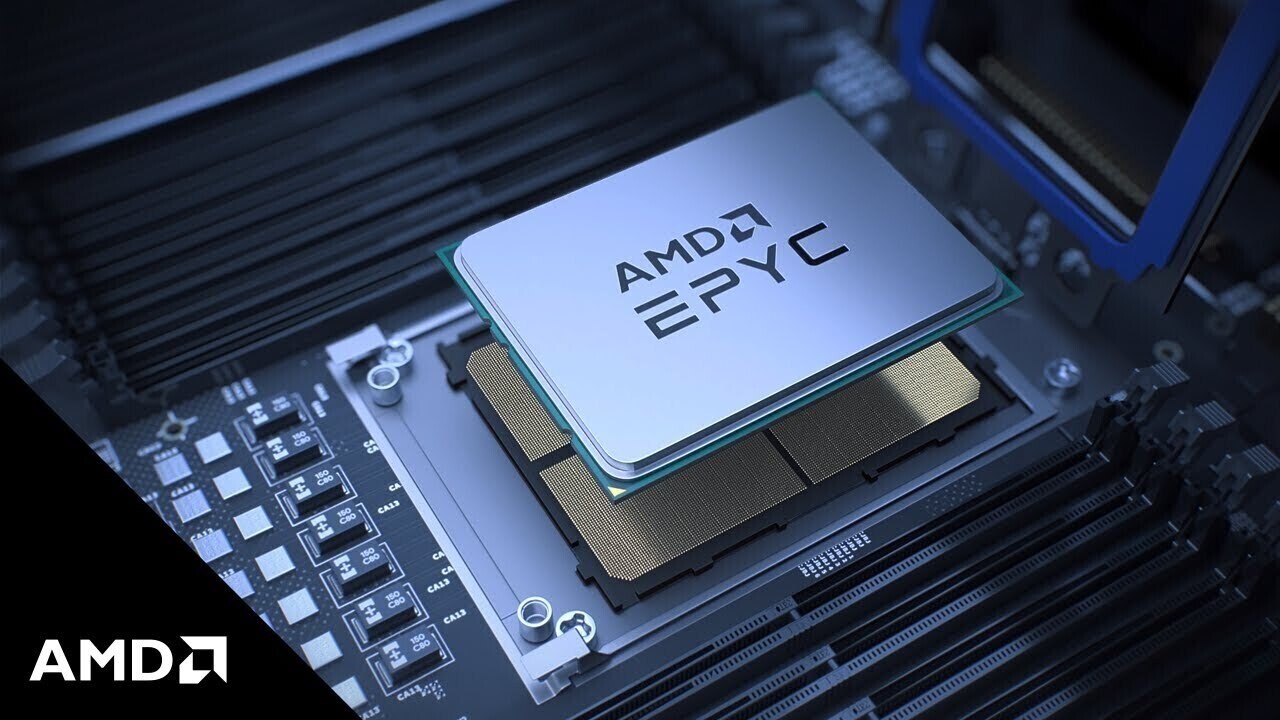
AMD’s decision to split its process nodes is a calculated risk. By using 2 nm for compute-heavy components while relying on 3 nm for I/O, the company is hedging against potential yield issues that come with cutting-edge manufacturing. It also allows for a more modular approach to GPU design, where different parts of the chip can be optimized independently based on their specific roles.
This strategy could have significant implications for the ecosystem. Developers who rely on AMD’s platform will now have access to GPUs that are better suited for workloads beyond traditional gaming—something that could accelerate adoption in data centers and AI research labs. Meanwhile, power users who prioritize thermal efficiency will benefit from a card that doesn’t just push performance but does so without the usual trade-offs.
What’s Next: Compatibility and Adoption
The RX 9070 XT isn’t just a product; it’s a statement about where AMD sees the future of GPU design. The challenge now lies in ensuring compatibility with existing software stacks, particularly for developers working on AI frameworks or multi-GPU setups. If AMD can crack that nut, this could become one of the most versatile GPUs on the market.
For power users, the real question is whether this shift will translate into tangible improvements in performance-per-watt ratios without sacrificing raw speed. Early benchmarks suggest it might, but the true test will be how well AMD’s partners—from motherboard manufacturers to software developers—adapt to this new architecture.
Availability and pricing details are still under wraps, but given the strategic focus on efficiency and performance, it’s safe to assume that this GPU won’t just compete with NVIDIA’s offerings; it will set a new standard for what’s expected from high-end graphics cards in the coming years.