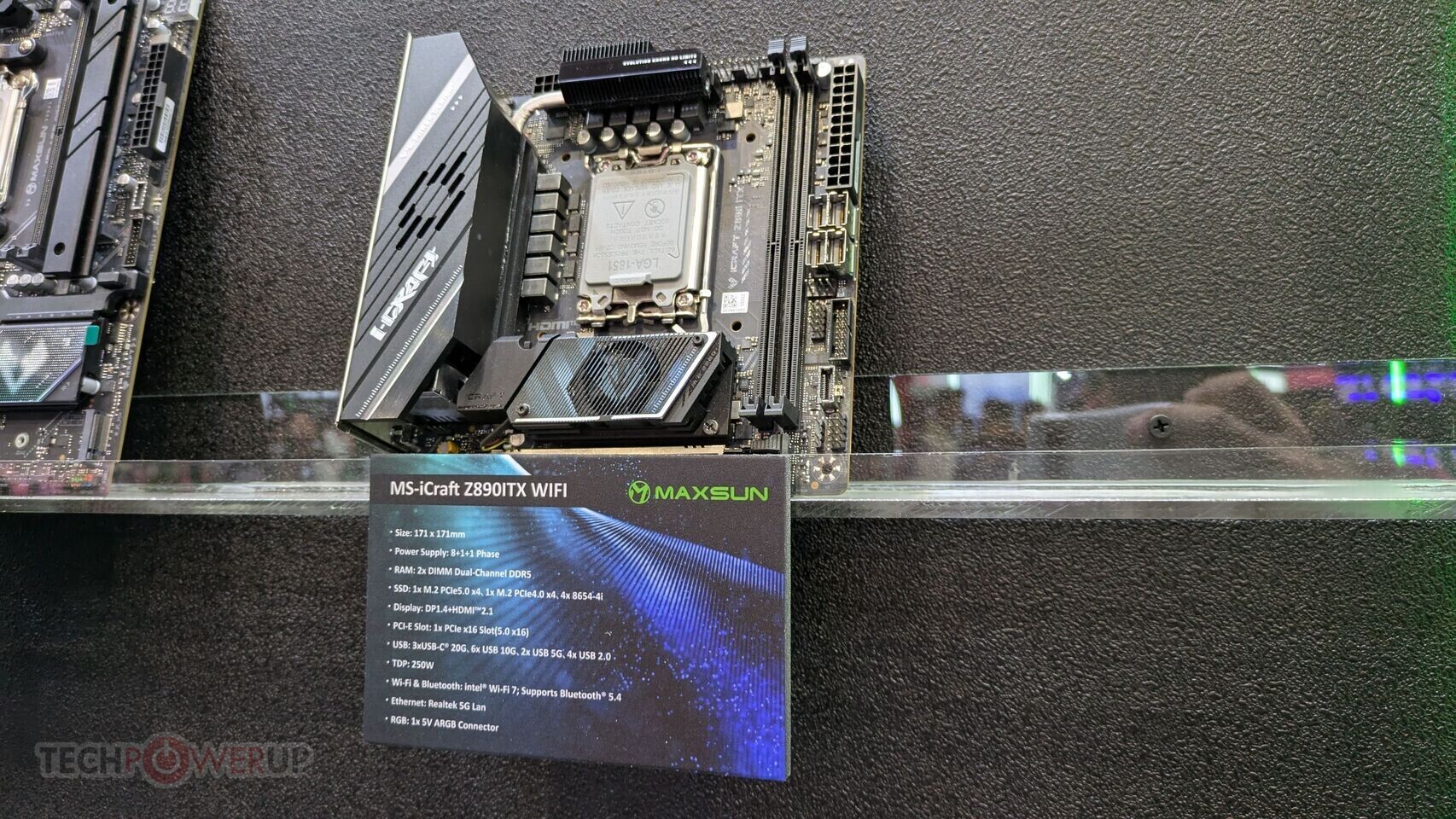
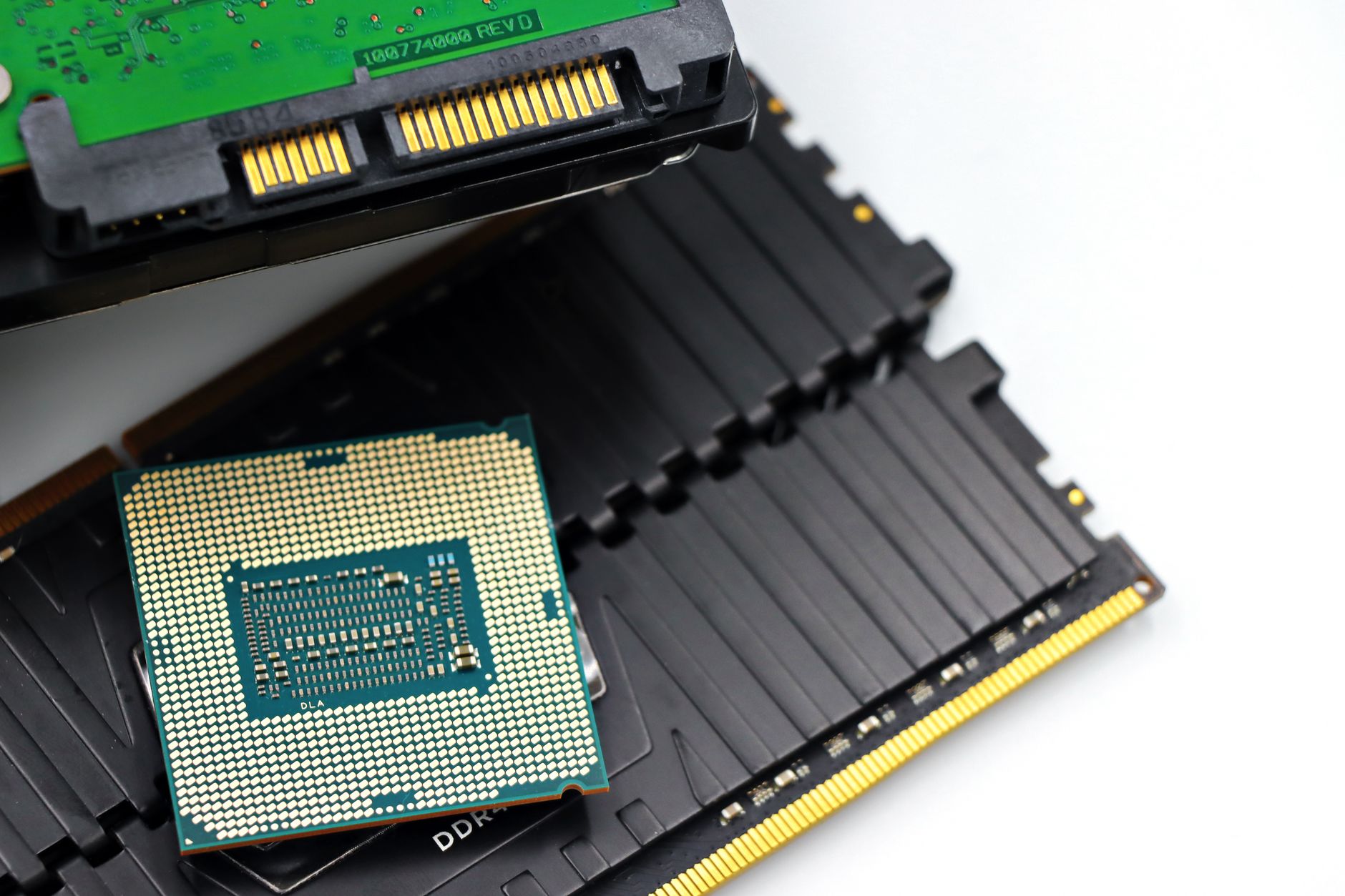
The AMD AM5 platform, now in its second year, is receiving a critical firmware refresh aimed at resolving persistent boot failures and memory compatibility quirks that have plagued early Ryzen 9000 adopters. ASRock’s new Beta BIOS version 4.07.AS01, built on AGESA 1.3.0.0a, arrives as part of an accelerated collaboration with AMD to preemptively address field reports—including systems that fail to boot after extended use or with specific CPU configurations.
This update is not merely incremental. It directly targets a documented issue where certain Ryzen 9000-series CPUs, including the high-end Ryzen 9 9950X3D, trigger no-boot scenarios under undefined conditions. The problem, first observed in late 2025, has forced some users to resort to BIOS reflashes or hardware swaps. ASRock’s release notes confirm the fix is not limited to specific motherboard models but spans its entire AM5 lineup, including mid-range and budget boards.
The Technical Fix: AGESA 1.3.0.0a and Beyond
At its core, the update replaces the previous AGESA version with ComboAM5 PI 1.3.0.0a, a revision that AMD has been testing internally since late 2025. Key improvements include
- Memory compatibility refinements: Addresses timing and voltage mismatches that could cause system hangs or failures during POST, particularly with DDR5-6000+ kits.
- No-boot resolution: A targeted patch for a firmware-level deadlock affecting Ryzen 9000G APUs (rumored for Q2 2026) and select desktop CPUs when paired with older AGESA versions.
- Backward compatibility safeguards: Prevents regression in systems downgrading from Ryzen 9000 to older Zen 4 CPUs, a common practice among enthusiasts.
The update also introduces a pre-boot diagnostic mode, allowing users to bypass the boot loop by pressing Del during startup—a stopgap measure while ASRock finalizes a full release version.

Why This Matters for AMD’s AM5 Ecosystem
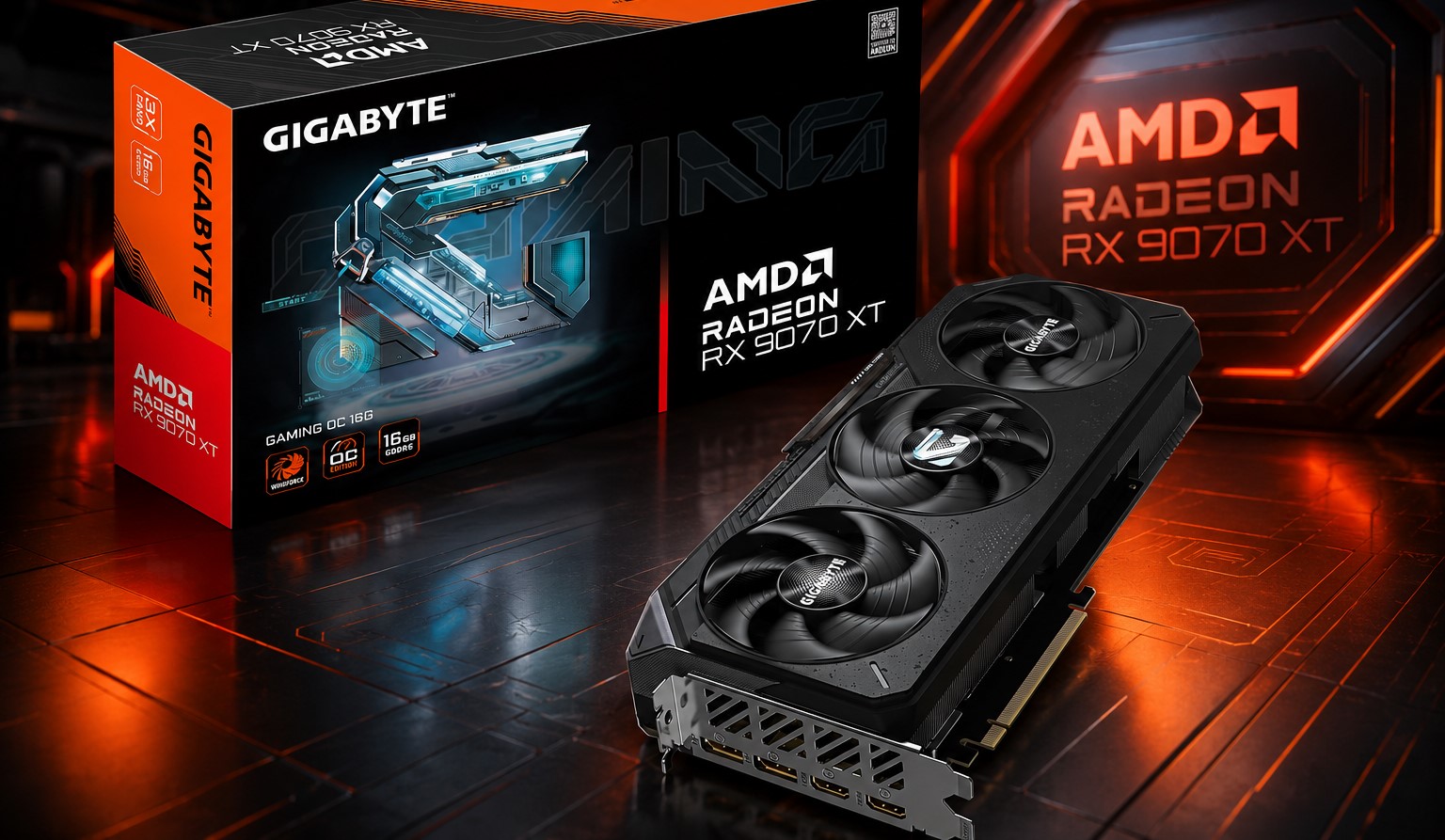
AMD’s AM5 platform has been a rare bright spot in the desktop CPU market, offering longevity with its PGA socket design and support for up to 2 nm CCDs in future Ryzen chips. However, early adopters of the Ryzen 9000 series—particularly those using Radeon RX 9070 or RX 9070 XT GPUs in multi-GPU setups—have reported instability when combining high-TDP CPUs with certain motherboards. The RX 580, though legacy, remains a common culprit in crossfire configurations due to its 12VHPWR connector limitations, further complicating firmware interactions.
ASRock’s move comes as AMD prepares to launch Ryzen 9000G APUs, which will integrate Radeon graphics and require tighter BIOS coordination. The new AGESA version is expected to underpin these chips, suggesting AMD is treating firmware stability as a priority for its next-generation desktop lineup.
What Users Should Do Now
ASRock has released the update as a beta, meaning it is fully functional but not yet optimized for all edge cases. Users experiencing boot failures are advised to
- Download 4.07.AS01 from ASRock’s support portal, filtering by ComboAM5 motherboards.
- Use Instant Flash or Flashback tools to avoid manual BIOS flashing risks.
- Monitor system behavior post-update; if issues persist, revert to the previous BIOS version via a USB recovery drive.
The official release is expected within 30 days, with ASRock stating it will include additional refinements based on beta feedback. For those running Ryzen 9 9950X3D ($699) or Ryzen 9 9900X3D ($599), the update is particularly relevant, as these chips have shown higher sensitivity to AGESA versions in benchmarking scenarios.
This development underscores a broader trend: as AMD pushes 2 nm and 3 nm process nodes into its desktop roadmap, firmware becomes a critical battleground for stability. With Ryzen 9000G APUs on the horizon, ASRock’s proactive update may set a template for how motherboard vendors and chipmakers collaborate to mitigate early-adopter pain points.