Microsoft’s next-generation Xbox console is poised to redefine gaming hardware by abandoning the traditional closed console OS in favor of a custom-tailored version of Windows 11. Unlike its predecessors, which relied on proprietary Xbox operating systems, this new system will default to a familiar Xbox interface while retaining the full capabilities of Windows underneath. Users will have the flexibility to exit the console UI at any time, unlocking access to Steam, Epic Games Store, and other PC platforms—along with standard productivity applications like Microsoft 365.
This shift marks a dramatic departure from the walled-garden approach that has defined console gaming for decades. By integrating Windows 11, Microsoft is positioning the next Xbox as a hybrid device capable of handling everything from AAA gaming to office work, all from the same hardware. The collaboration between the Windows and Xbox teams suggests a focus on optimizing the OS for living room use, potentially with hardware partners like ASUS developing multiple configurations to cater to different budgets.
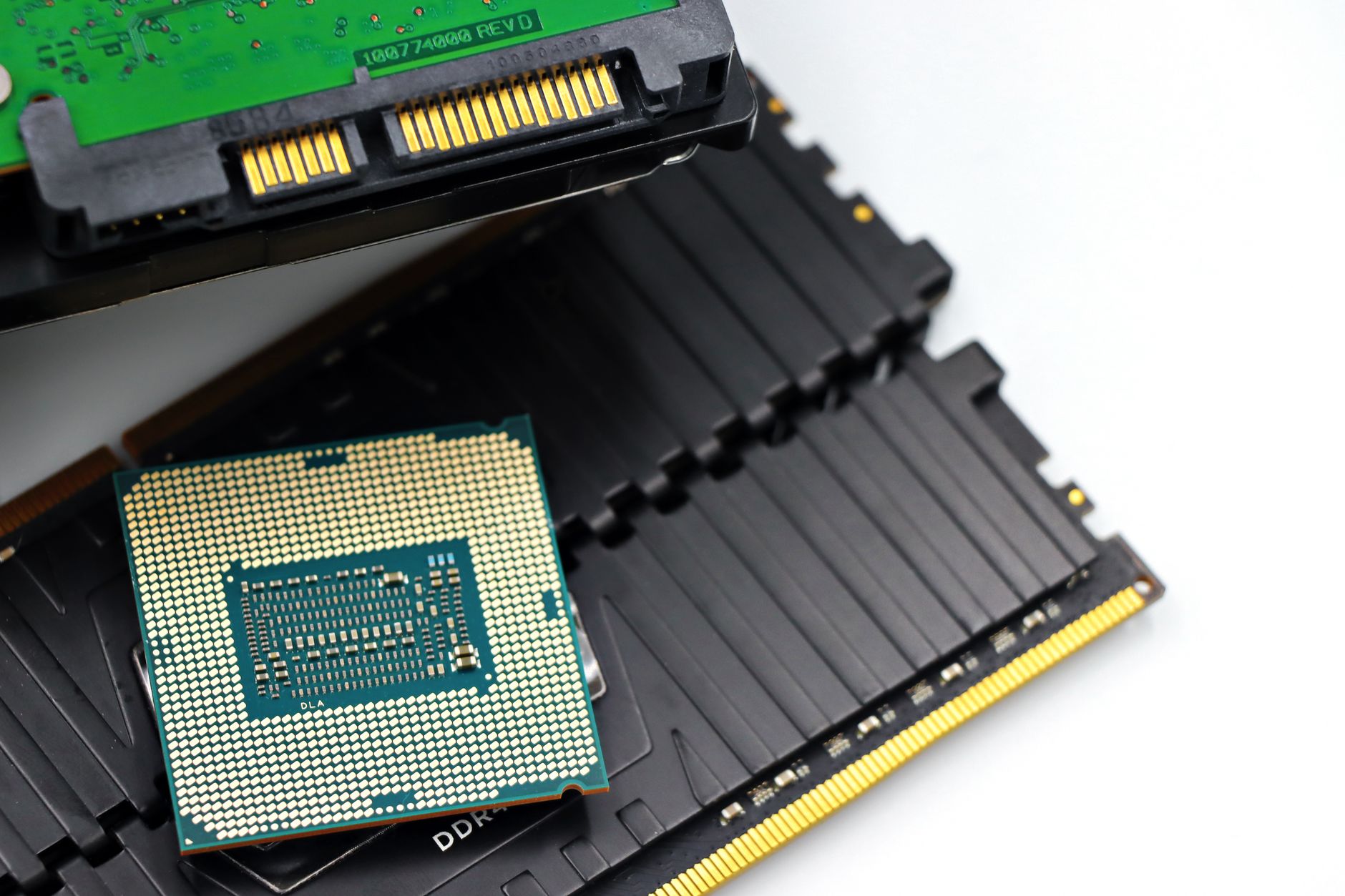
While plans for a first-party handheld device remain uncertain, the traditional console appears to be the primary focus. AMD has already confirmed that the upcoming system will be powered by its ‘Magnus’ SoC, described as the largest APU ever designed for a consumer console. The chip features a 408 mm² chiplet design, with 144 mm² allocated to the CPU built on TSMC’s N3P node and 264 mm² dedicated to the GPU. The architecture includes up to 11 CPU cores—three high-performance Zen 6 cores and eight efficiency-focused Zen 6c cores—paired with a massive GPU configuration of 68 RDNA 5 compute units, four shader engines, and at least 24 MB of L2 cache.
Memory and performance are expected to reach new heights, with up to 48 GB of GDDR7 running on a 192-bit bus. A dedicated neural processing unit (NPU) is also rumored to deliver significant AI acceleration, with reports suggesting capabilities of up to 110 TOPS.

The implications of this hybrid approach extend beyond gaming. For the first time, an Xbox console could function as a full-fledged productivity machine, running applications like Word, Excel, and Teams without sacrificing gaming performance. The integration of Windows 11 also opens the door for developers to create cross-platform experiences, potentially bridging the gap between PC and console ecosystems.
Key Specifications
- OS: Customized Windows 11 with Xbox UI overlay
- CPU: AMD ‘Magnus’ SoC (TSMC N3P node)
- CPU Cores: Up to 11 (3 Zen 6 + 8 Zen 6c)
- GPU: 68 RDNA 5 compute units, 4 shader engines, 24 MB L2 cache
- Memory: Up to 48 GB GDDR7 (192-bit bus)
- NPU: Up to 110 TOPS AI performance
- Hybrid Mode: Default Xbox UI with full Windows 11 access
- Partners: ASUS and other hardware manufacturers for multiple price points
This architecture suggests a system capable of handling demanding games while also functioning as a versatile productivity hub. The use of GDDR7 memory and a high-bandwidth bus ensures smooth performance in both gaming and multitasking scenarios. Meanwhile, the NPU could enable advanced AI features, from real-time rendering enhancements to on-device processing for gaming and creative applications.
The next Xbox may arrive as early as 2027, though official details remain unconfirmed. If Microsoft executes this vision successfully, it could redefine the boundaries between consoles and PCs—offering gamers unprecedented flexibility without compromising on performance.