Developers working with Apple’s latest hardware face a clear choice: adapt to the performance ceiling set by Ultra-labelled devices or risk falling behind in an increasingly demanding ecosystem.
The MacBook Neo, powered by the M1 chip, represents a significant step down from Apple’s traditional high-end lineup. While it offers a 45 percent discount compared to the latest MacBook Air, its presence does not signal a retreat from Apple’s focus on premium products. Instead, it marks the beginning of a more nuanced approach—one that balances affordability with cutting-edge performance.
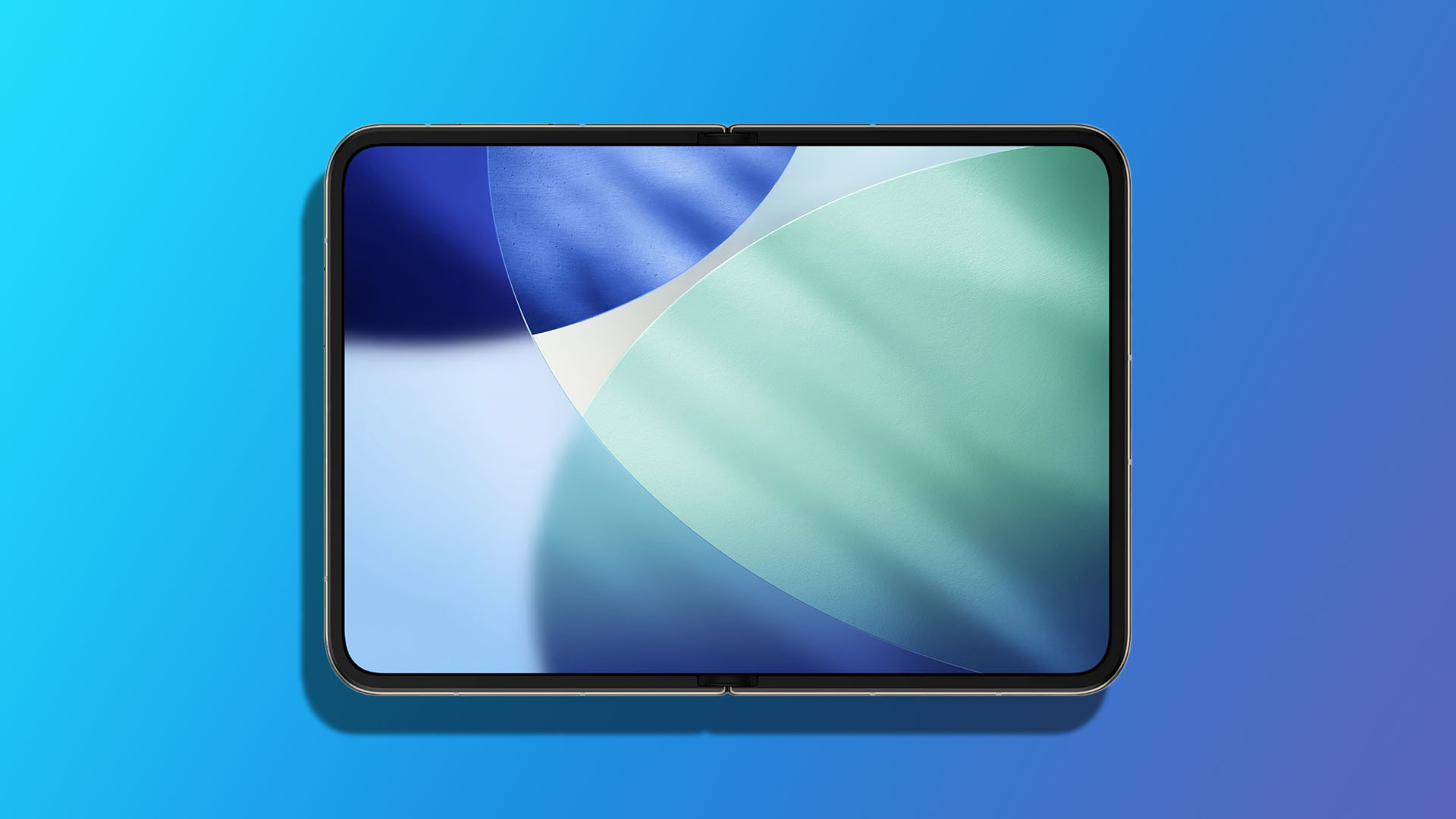
This strategy is evident in the upcoming lineup, which includes several Ultra-labelled devices designed to push the boundaries of what’s possible in mobile computing. The iPhone Fold, for example, is expected to debut later this year with a price tag north of $2,000. It will feature a massive inner display, in-display sensors, and a modified hinge mechanism that nearly eliminates display crease. These advancements suggest a significant leap forward in form factor and functionality.
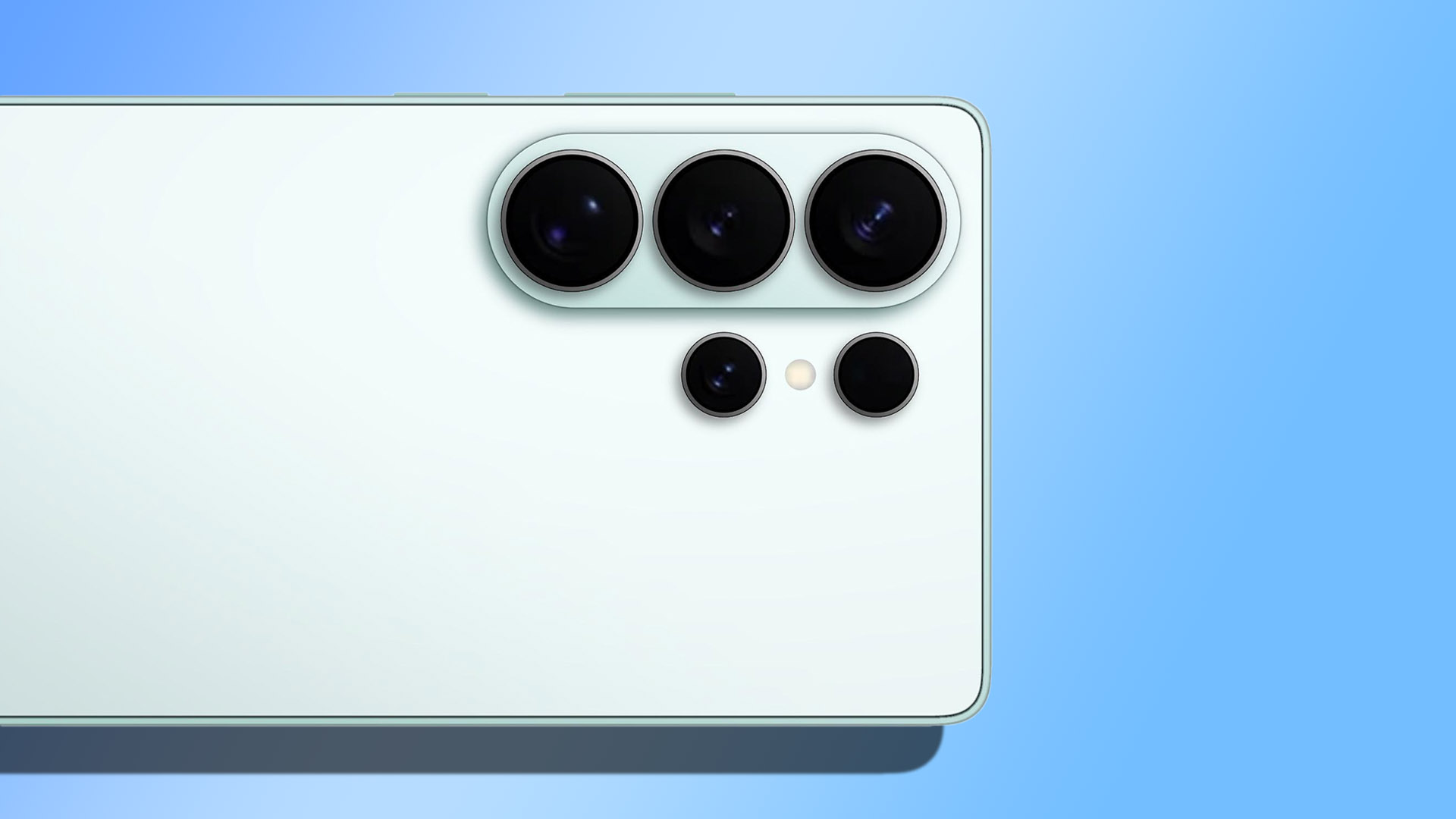
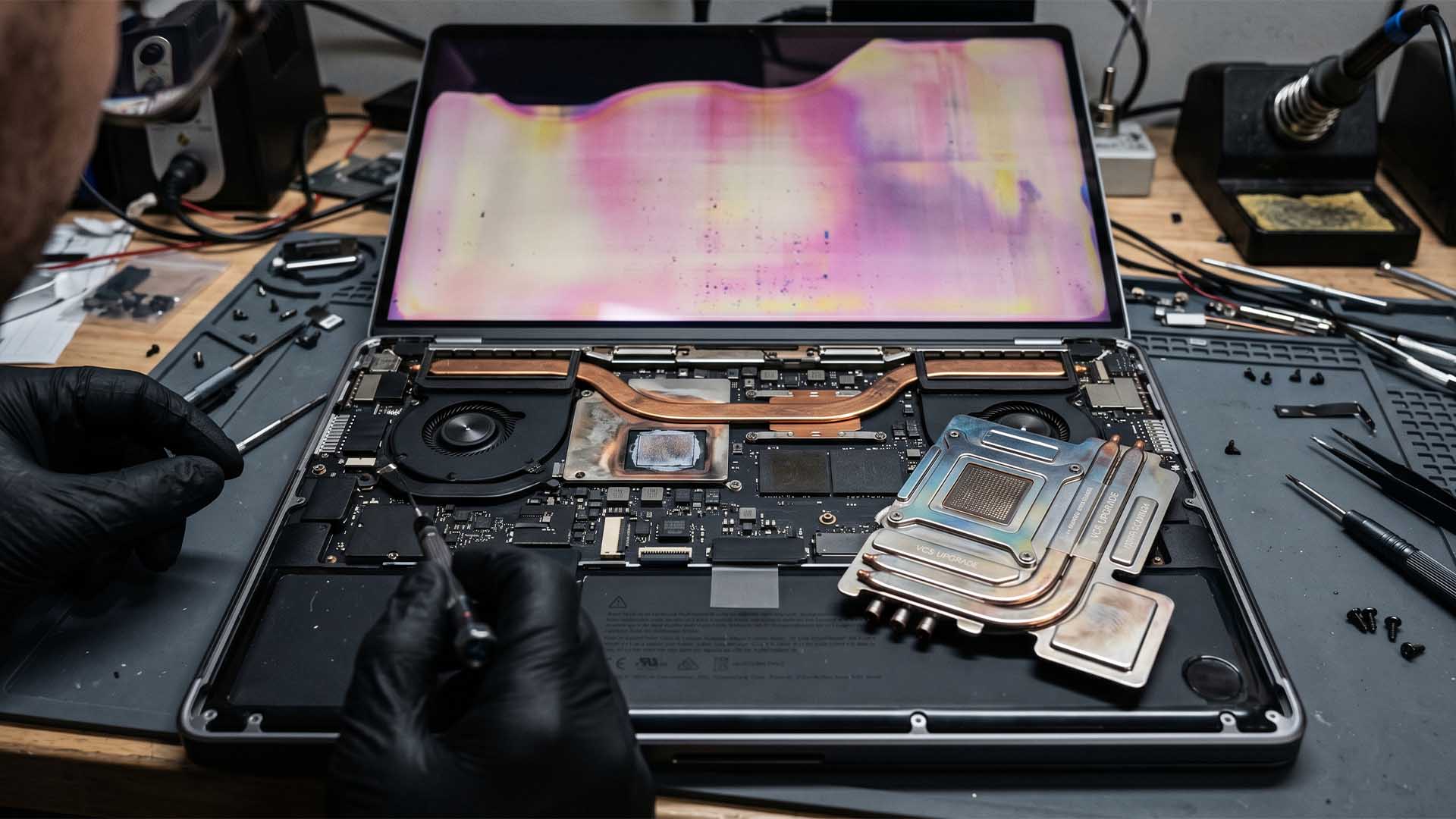
Similarly, the next-generation AirPods Pro are rumored to include a camera for Siri’s Visual Intelligence features. If this is confirmed, it would complete a troika of AI-powered devices from Apple, further solidifying its position in the competitive smart device market. The high-end MacBook Pro, with its touch-enabled OLED screen and expected 20 percent price hike, will also play a key role in this strategy.
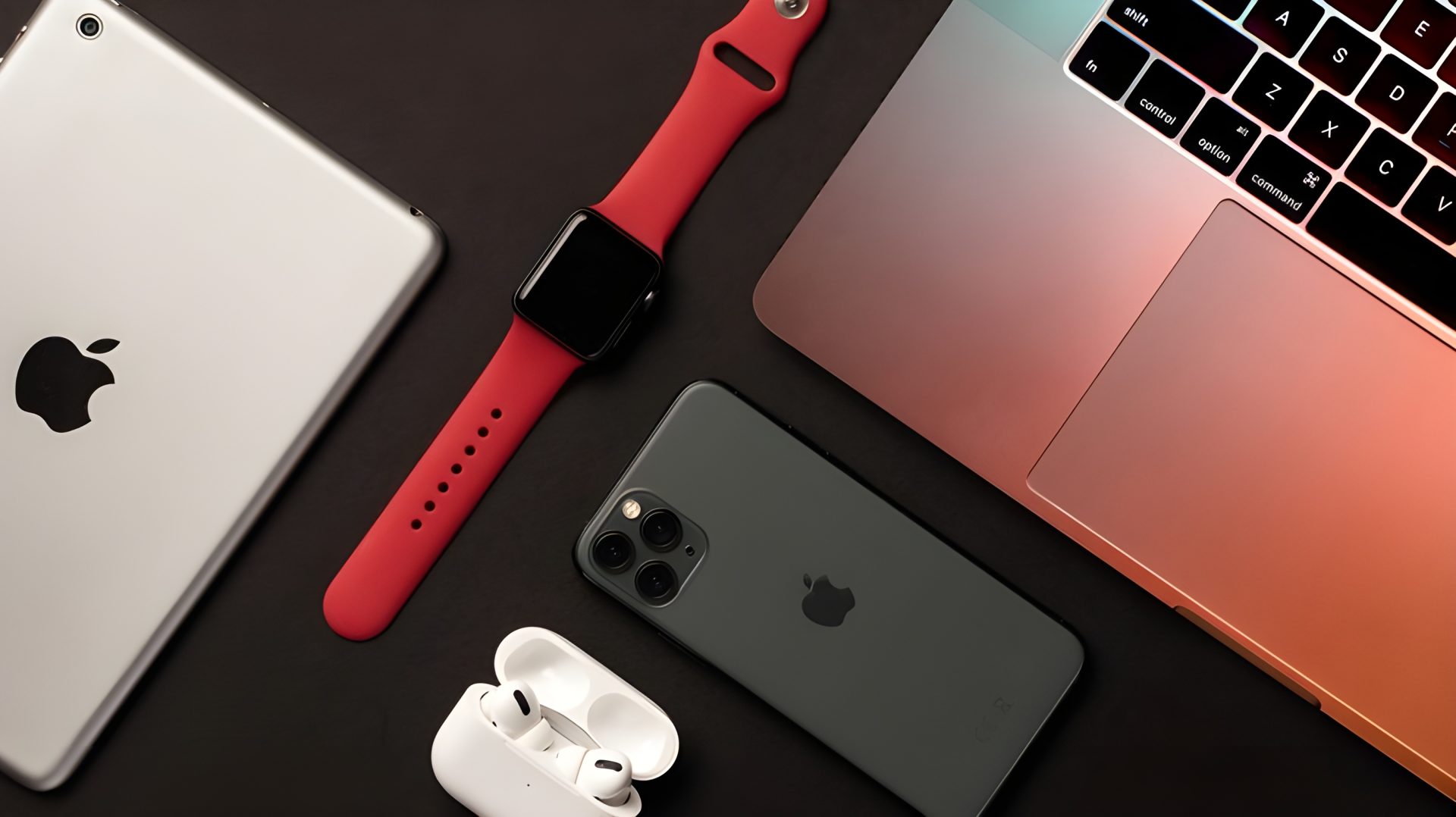
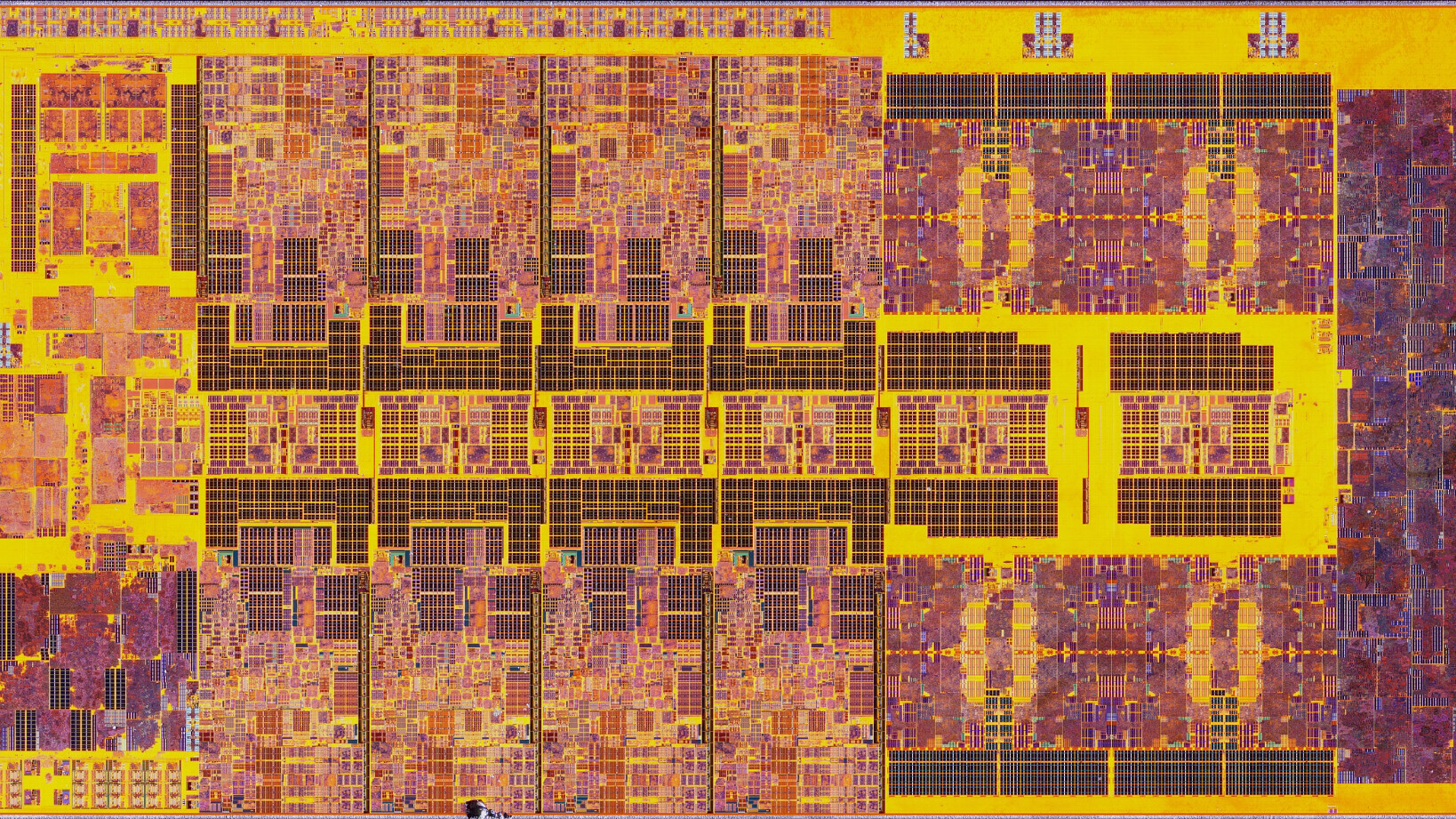
Apple’s approach to hardware development is characterized by precision engineering and performance optimization. The M1 chip, for instance, has set a new benchmark for efficiency and power, allowing devices like the MacBook Neo to deliver exceptional performance without compromising on portability or battery life. This focus on both affordability and high-end capabilities is likely to influence how developers approach their projects, ensuring that applications are optimized for these platforms.
For developers, the implications are clear: Ultra-labelled devices will demand more from software in terms of performance, power efficiency, and user experience. The shift towards AI integration, as seen in the rumored AirPods Pro, also suggests a need to adapt to new input methods and processing requirements. As Apple continues to push the envelope with its hardware, developers must stay ahead of these trends to remain competitive.
The MacBook Neo serves as a bridge between Apple’s high-end and mid-range offerings, but it does not signal a departure from the company’s commitment to Ultra-labelled products. Instead, it reinforces the idea that innovation can coexist with accessibility. The future of Apple’s hardware strategy will likely focus on further blurring the lines between performance tiers, making cutting-edge technology more accessible without diluting its capabilities.
In summary, Apple’s continued emphasis on Ultra-labelled devices reflects a strategic vision that balances innovation with practicality. Developers and users alike must adapt to this evolving landscape, leveraging the performance and features of these high-end products to stay ahead in an increasingly competitive market.