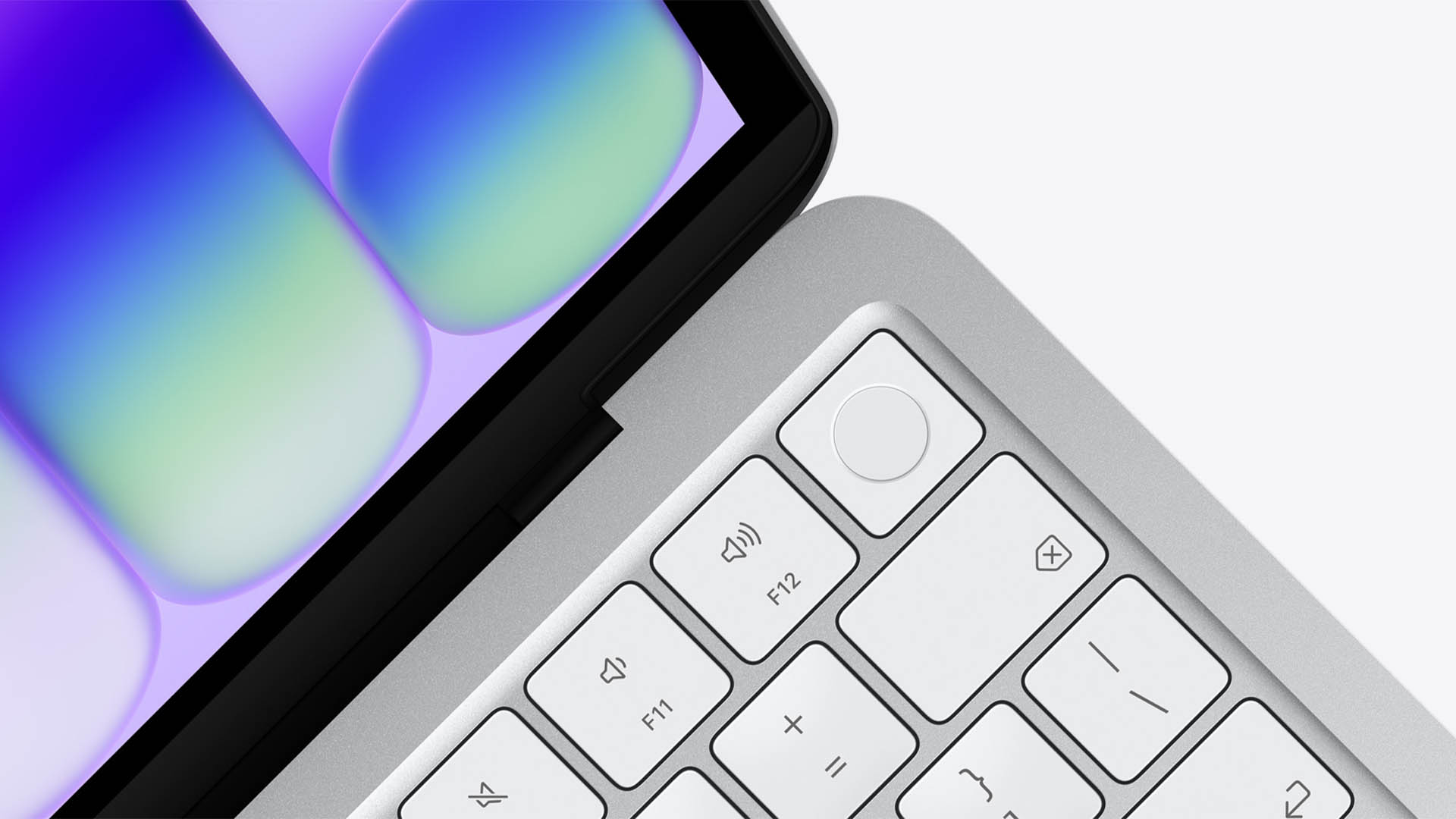
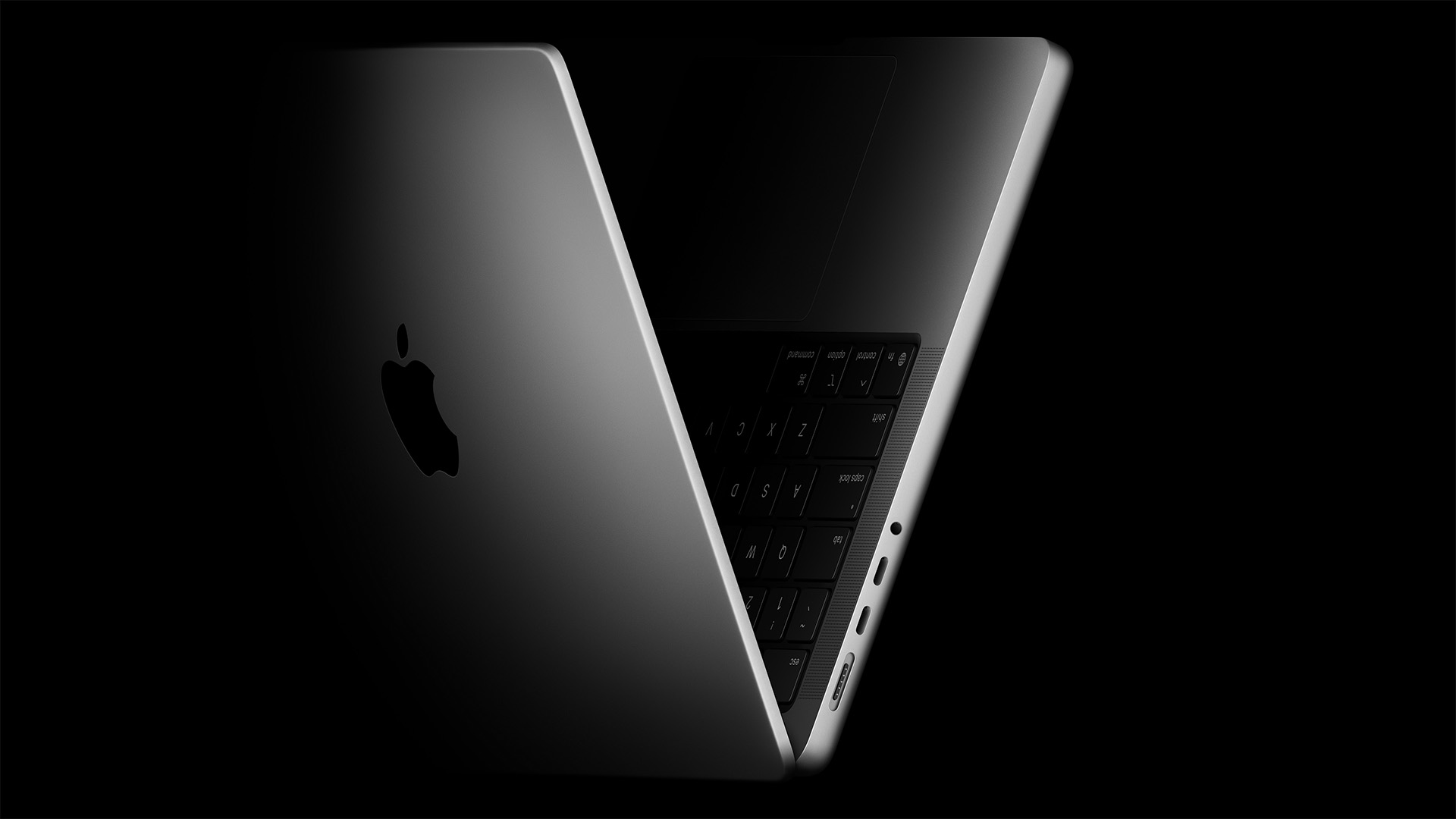
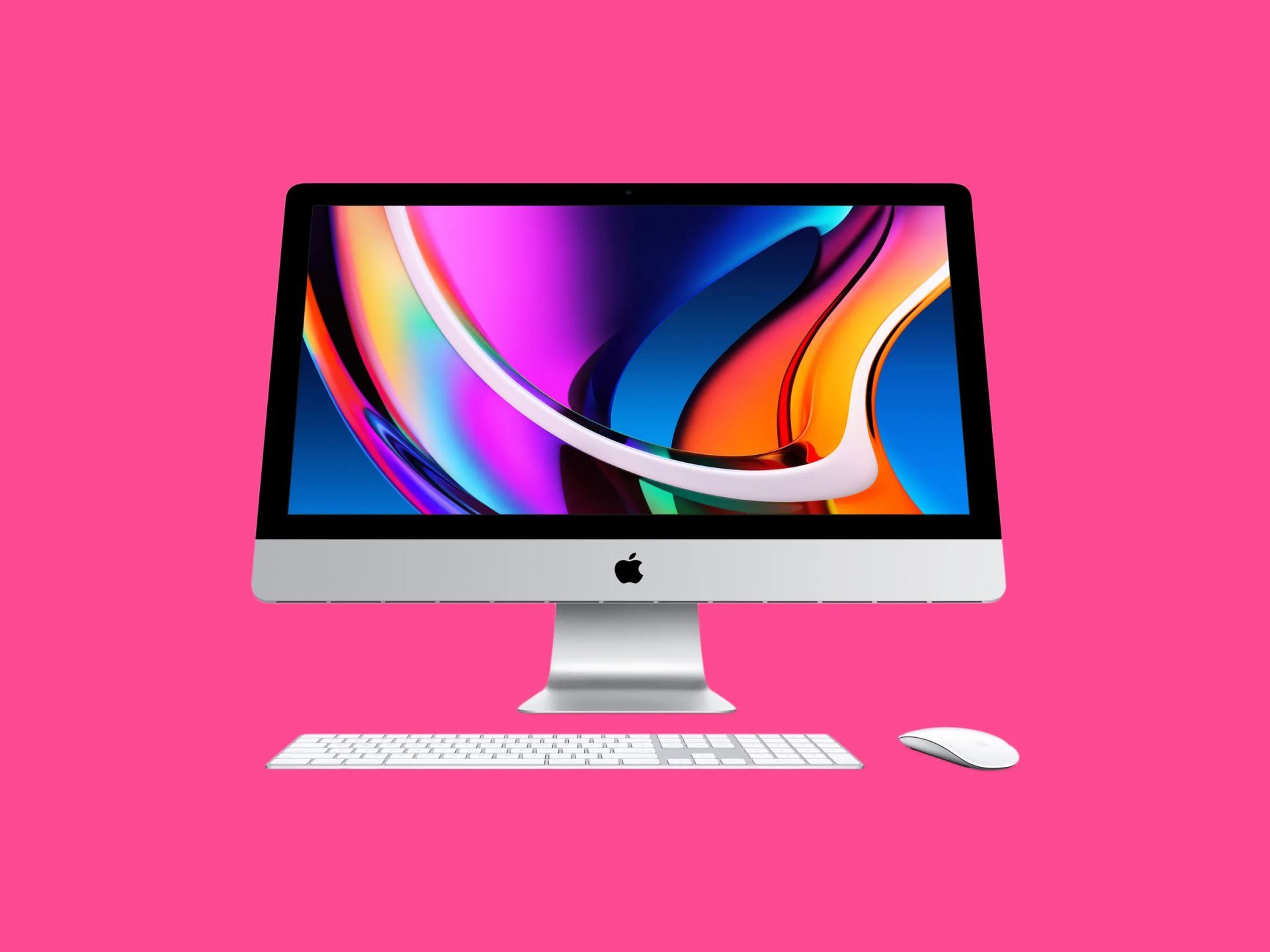
For gamers and creative professionals, the upcoming iMac refresh could mark a turning point in display technology. Apple's rumored shift to a 34-inch OLED panel is not just an incremental upgrade—it’s a complete reimagining of what an iMac can do. The move from traditional LCD to OLED brings deeper blacks, higher brightness, and potentially lower input lag, all critical factors in today’s competitive gaming landscape.
This transition comes at a time when display technology is evolving rapidly, with color accuracy, contrast ratios, and response times becoming increasingly important for power users. Apple's focus on a premium OLED experience suggests it aims to rival dedicated gaming monitors, but the implications go beyond just visuals. For those invested in high-end setups, this change could influence how they approach hardware upgrades, especially if the performance gains justify the leap.
Key Advanced Details
- A 34-inch OLED display, significantly larger than current iMac models, offering deeper blacks and higher brightness levels.
- Improved color gamut and contrast, leveraging OLED's self-emissive pixels for richer visuals.
- Potential integration with Apple's M-series chips, optimizing performance for both productivity and gaming tasks.
The shift to OLED also raises questions about compatibility. Existing iMac models may see a drop in resale value as the new systems hit the market, potentially influencing upgrade decisions for users on the fence. For those already invested in Apple's ecosystem, this change could also influence software optimization, with games and applications built specifically for OLED displays emerging over time.
Why This Matters for Gamers
The shift to OLED isn't just about aesthetics—it’s about efficiency and performance. OLED panels consume less power than traditional LCDs, which could translate to longer battery life, though iMacs are typically desktop units. More importantly, the technology offers faster response times, a critical factor for competitive gamers who rely on split-second reactions.
However, the transition isn’t without risks. OLED burn-in remains a concern, though Apple has historically addressed such issues with firmware updates. For users, this means staying informed about how Apple manages these challenges will be key to ensuring long-term satisfaction with their hardware.
What’s Next for iMac Users
The timeline for this transition is still uncertain, but reports suggest it could arrive as early as 2030. For now, users should keep an eye on Apple's developer conferences and pre-order announcements. If the rumors hold, this could be a pivotal moment for iMac buyers, balancing the allure of OLED with practical considerations like cost and compatibility.
One thing is clear: Apple isn’t just following trends—it’s setting them. The move to OLED in the iMac signals a broader push toward next-generation display technology, one that could leave other manufacturers scrambling to catch up. For gamers and power users, staying ahead of the curve will require more than just hardware upgrades—it’ll demand an eye on how software evolves alongside it.