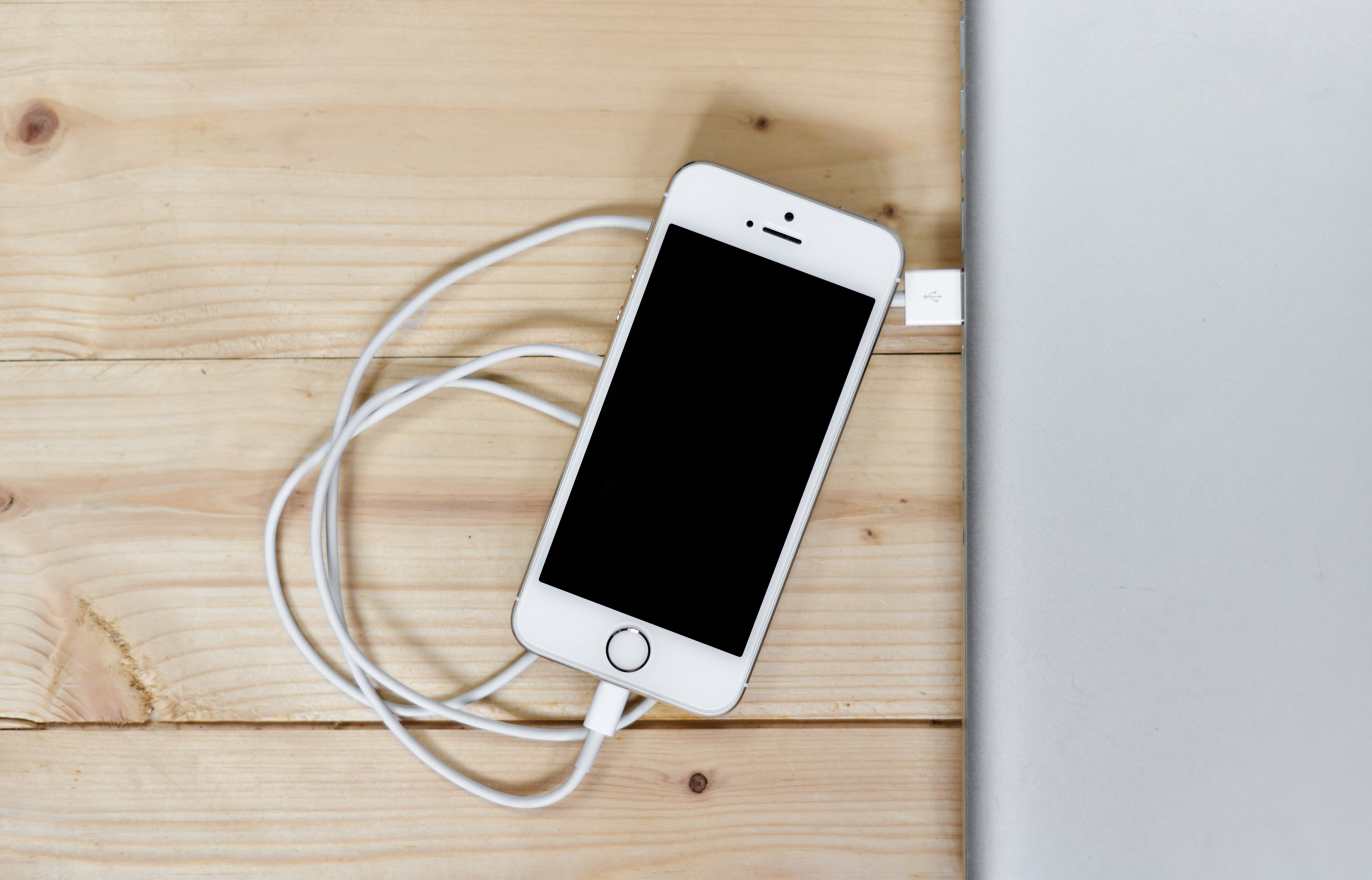
Apple has achieved a landmark milestone in the global smartphone market, securing its place as the dominant player with nearly 20 percent market share in 2025. This surge, driven by strong sales of the iPhone 17 series and sustained demand for previous generations like the iPhone 16, reflects a period of unprecedented growth for the tech giant.
The company's performance is particularly notable given broader industry trends. While global smartphone shipments grew modestly last year—rising by just over 2 percent—Apple outperformed peers with a 10 percent year-over-year increase in iPhone sales. This momentum has allowed Apple to surpass Samsung, which held the top spot for much of the past decade.
- Display: 6.3-inch Super Retina XDR OLED (iPhone 17 Pro), 6.1-inch Super Retina XDR OLED (iPhone 17)
- Chip: A18 Pro (6-core CPU, 5-core GPU) in iPhone 17 Pro; A18 (4-core CPU, 4-core GPU) in standard models
- Memory: Up to 24GB unified memory (iPhone 17 Pro Max)
- Storage: 128GB–1TB options, with 512GB as the base on higher-tier models
- Battery: 3,969mAh (iPhone 17 Pro Max), 3,400mAh (standard iPhone 17)
- Cameras: Triple 48MP/12MP/12MP (Pro models) with improved sensor tech; 12MP dual-camera on standard variants
- Connectivity: 5G with advanced mmWave, sub-6GHz support
- Ports: USB-C (reversible), no headphone jack
- Pricing: Starts at $799 for base iPhone 17; Pro models begin at $1,099
The hardware advancements in the iPhone 17 series—particularly the A18 Pro chipset with its expanded memory capacity and refined camera systems—have played a pivotal role in Apple's market dominance. The shift to USB-C connectivity also aligns with broader industry trends, though it remains a divisive change among users accustomed to Lightning.

Looking ahead, challenges loom on the horizon. Industry analysts project a 3 percent decline in global smartphone sales for 2026, attributed to rising component costs and supply chain constraints. Despite this, Apple's strong brand loyalty and innovation pipeline suggest it will maintain its lead, though competition from Samsung and emerging players may intensify.
For now, Apple stands at the pinnacle of the smartphone industry, a position reinforced by both hardware excellence and strategic market positioning. Whether this dominance proves sustainable remains to be seen, but one thing is clear: the tech giant has redefined what it means to lead in a crowded and rapidly evolving sector.