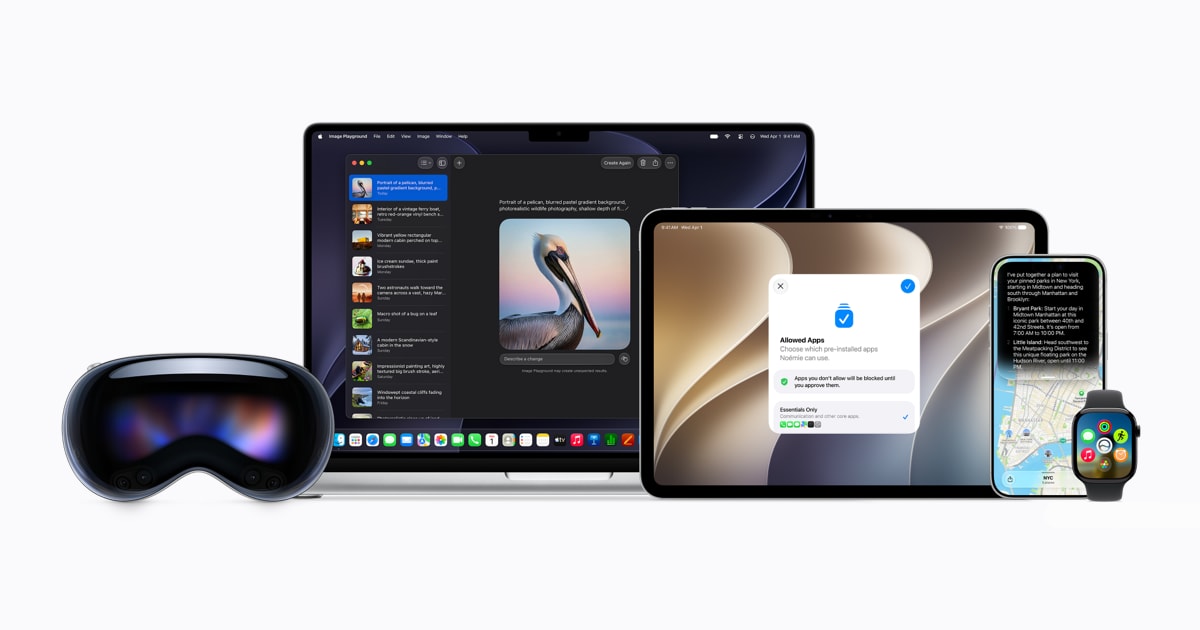
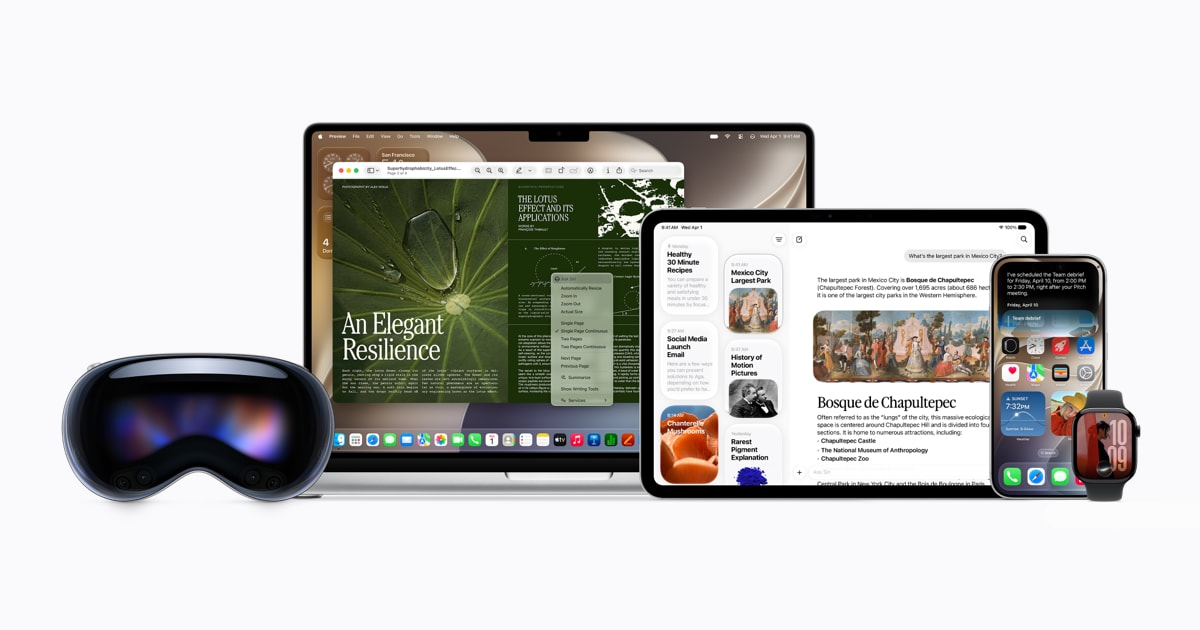
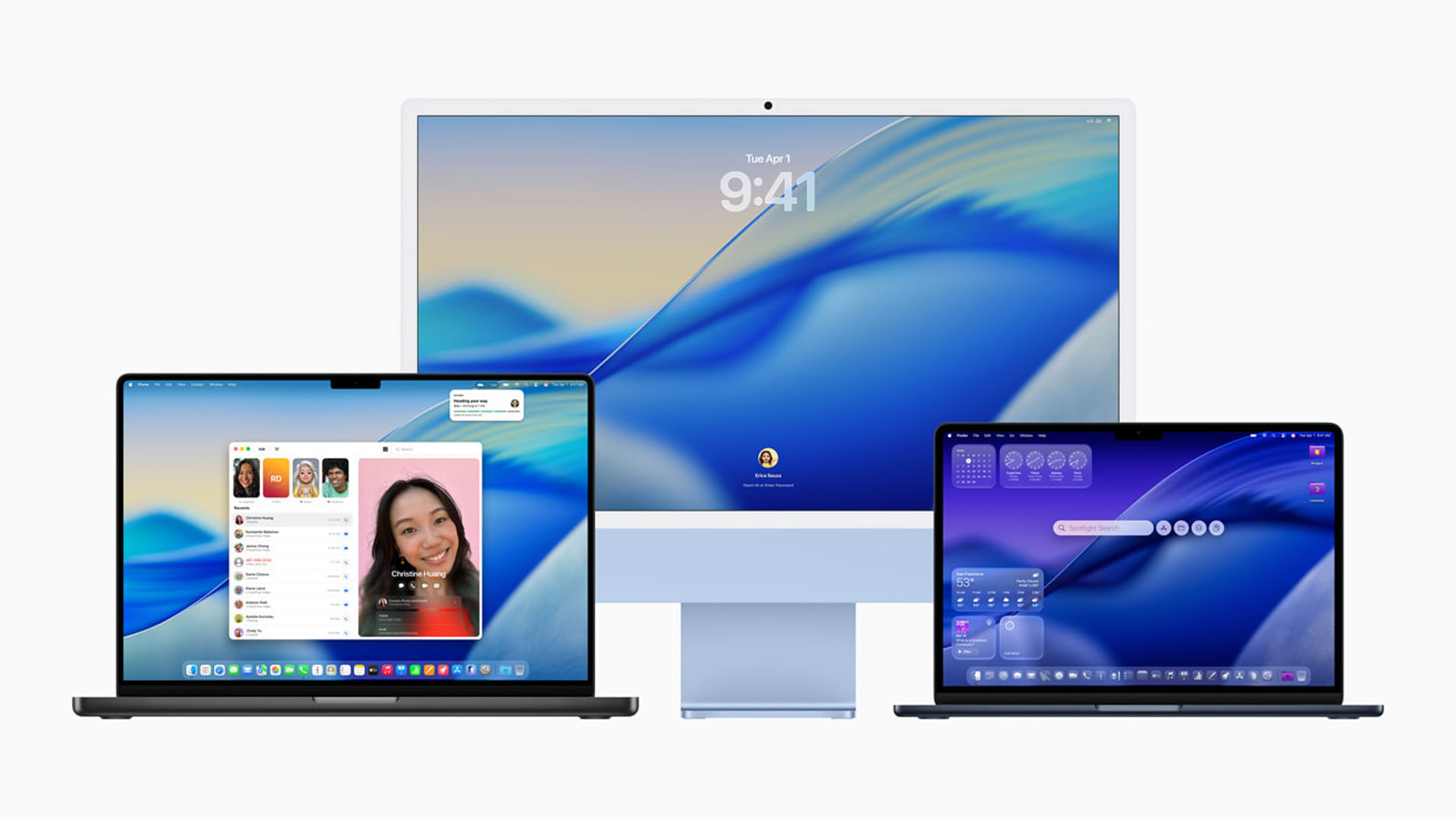
Apple’s latest software update introduces a more dynamic approach to artificial intelligence, one that shifts from static background tasks to adaptive, context-aware processing. This shift matters because it could redefine how AI behaves in daily workflows—whether handling complex data tasks on an iPhone or running resource-heavy computations on a Mac.
The new framework, codenamed Apple Intelligence, is built around two core components: a 12-core neural engine and an optimized runtime that dynamically allocates processing power based on workload demands. On supported devices, the neural engine delivers up to 3x faster AI inference compared to previous generations while maintaining energy efficiency—a critical balance for battery life in mobile scenarios.
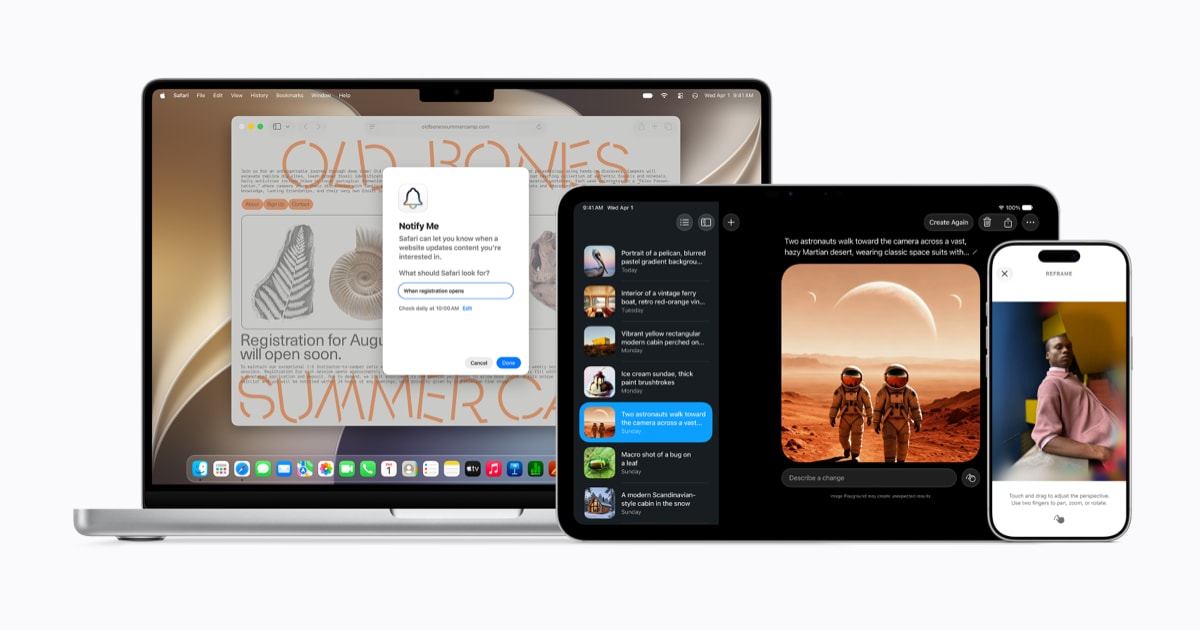
Key features include real-time language processing with context awareness, allowing apps like Notes or Mail to adapt responses based on user behavior without requiring manual input. For example, a note taken during a meeting could automatically generate follow-up tasks or reminders tailored to the conversation’s tone and key details. On Macs, the system supports larger-scale data operations, such as analyzing datasets up to 128GB in size, though performance depends on available RAM and storage configurations.
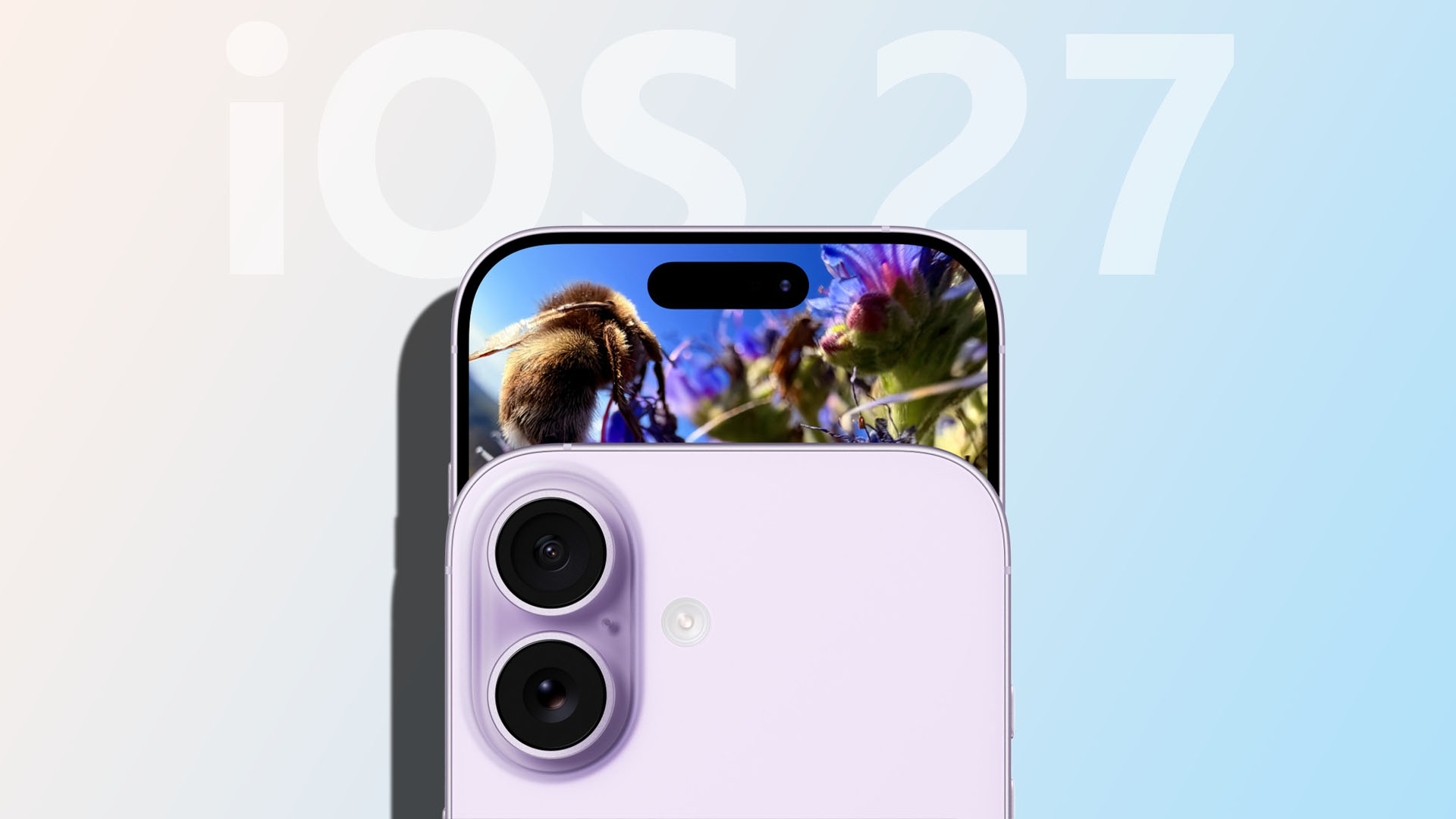
A practical constraint emerges when comparing these capabilities across devices. While the iPhone 16 Pro Max (with 8GB unified memory) handles lightweight AI tasks seamlessly, more demanding operations—like training localized models or processing large image sets—require a Mac with dedicated GPU support, such as the M4 chip. This creates a tiered experience: users with older devices may see limited benefits unless they offload tasks to cloud servers, which introduces latency and privacy tradeoffs.
The long-term implication is clear: Apple Intelligence tightens the loop between AI processing and user intent, but its effectiveness will depend on how well it adapts to real-world constraints—battery life, network conditions, and hardware limitations. What’s confirmed now is a stronger push toward on-device intelligence; what remains unconfirmed is whether this shift will translate into measurable productivity gains for everyday tasks.