The obituary flashes briefly—*‘Ariane died. Try again.’*—before the screen fades back to the frozen surface of Persephone. This blunt feedback loop isn’t just a design choice; it’s a deliberate contrast to the game’s otherwise methodical pacing. Where Life is Strange thrived on player agency and consequences, Aphelion forces a harder reset, one that mirrors the high stakes of its sci-fi premise.
Yet the game’s ambition extends beyond survival mechanics. The split-screen multiplayer mode, teased in earlier trailers, now takes center stage as Thomas struggles to survive in the planet’s toxic atmosphere. Players alternate between Ariane’s icy terrain and Thomas’s suffocating environment, each requiring distinct movement styles. Thomas crawls through narrow ventilation shafts, dodging acidic rain, while Ariane scales sheer cliffs to reach hidden pathways. The dual-perspective design isn’t just a gimmick—it’s a narrative device, reinforcing the isolation of their predicament.
What sets Aphelion apart isn’t just its setting, but how it layers horror into its core systems. The blind predator, dubbed The Watcher*, doesn’t just ambush Ariane—it *hunts her. Its reliance on echolocation means every footstep, every metallic clang of her suit, becomes a ticking clock. Stealth isn’t optional; it’s survival. The game’s audio design amplifies this tension, with ambient sounds of wind and creaking ice masking Ariane’s movements until it’s too late.
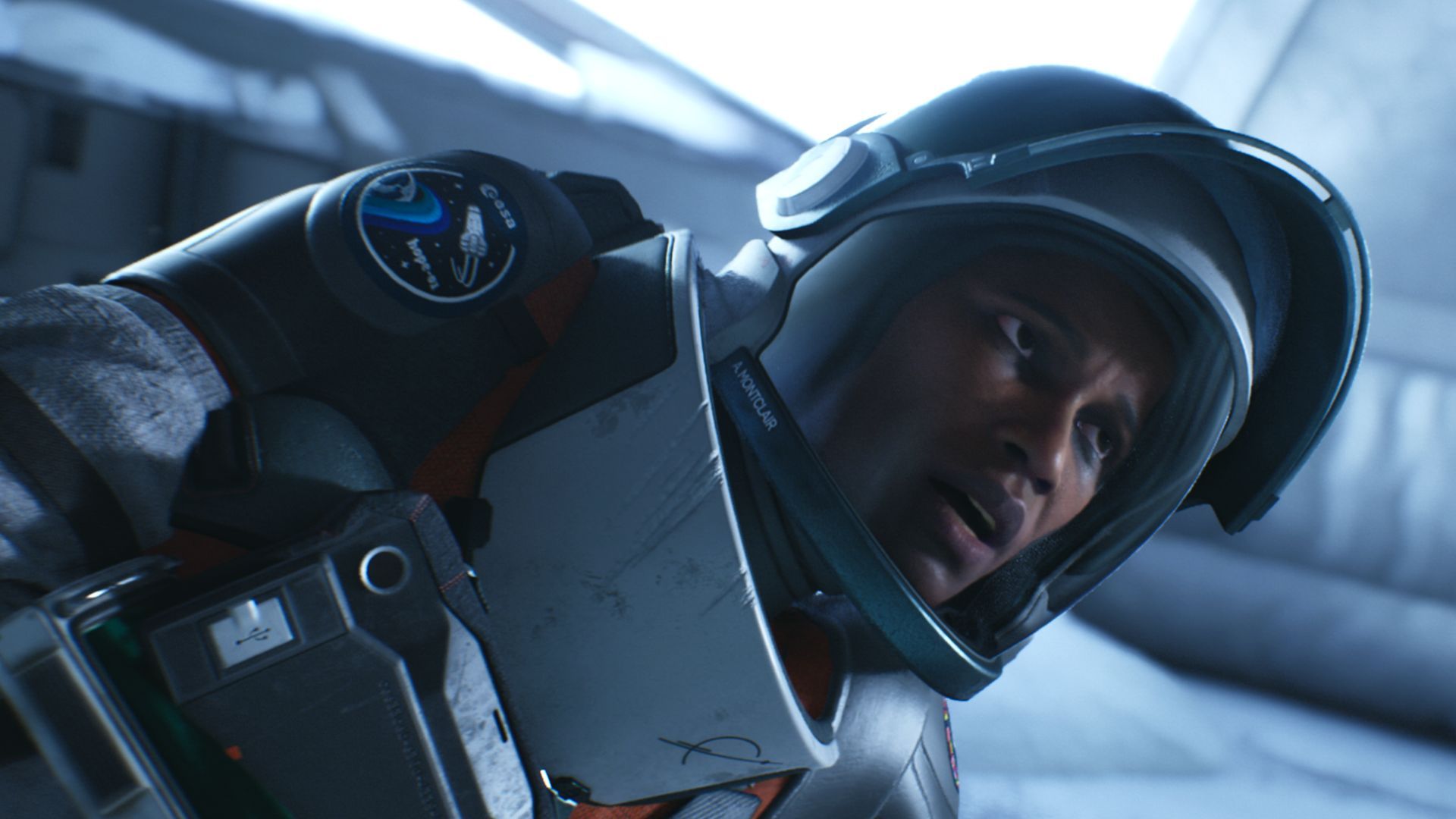
But not every system is equally refined. Climbing, a staple of Don’t Nod’s previous titles, feels less precise here. Ledges are narrower, physics less forgiving, and the lack of a grapple hook—unlike Jusant*—means every misjudged jump risks a sudden, unceremonious death. The studio acknowledges this as an area for polish, with upcoming patches promising tighter controls and more intuitive traversal.
The real strength of *Aphelion lies in its fusion of genres. It’s Uncharted in its exploration, Alien in its horror, and Life is Strange in its emotional weight. The game’s opening hours set up a delicate balance: a sci-fi mystery wrapped in survival mechanics, all anchored by a story that demands investment. Whether the execution matches the vision remains to be seen, but one thing is clear—Don’t Nod isn’t just making another space shooter. It’s crafting an experience where every choice, every death, and every whisper in the dark matters.