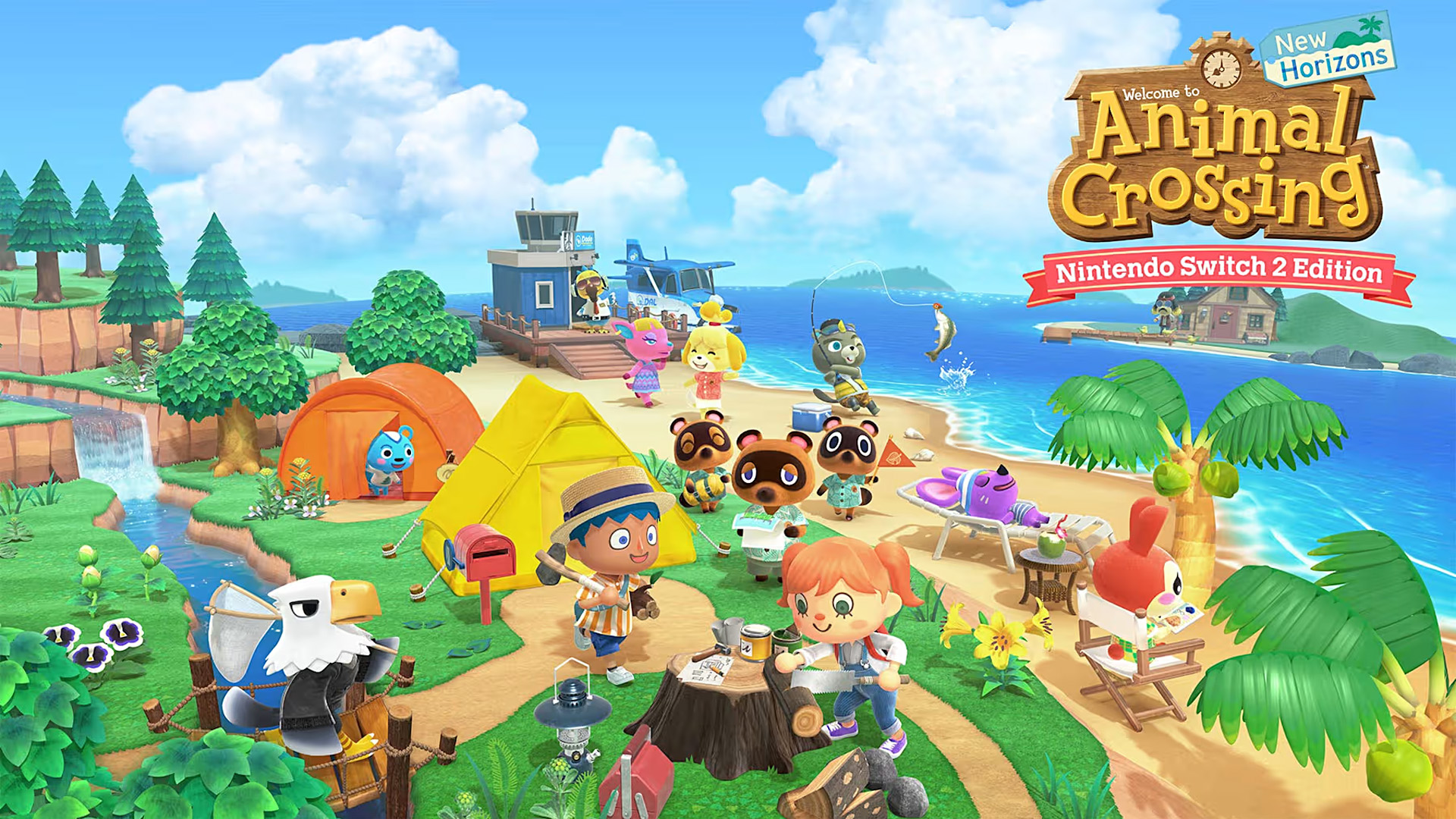
When *Animal Crossing: New Horizons* launched in 2020, it was billed as a complete experience. Five years later, Nintendo is quietly reshaping it—first with a $5 resolution upgrade for the Switch 2, then with a free 3.0 update packed with long-awaited tweaks. The question isn’t whether these changes improve the game, but whether they’re enough to lure players back from the real world.
The Switch 2 upgrade isn’t just a simple resolution bump. Docked, the game now renders at 4K—likely achieved through a 1440p native render with upscaling, a common trick in modern consoles. The difference is noticeable: jagged edges on text and small objects, once a minor annoyance, are now crisp. Props, furniture, and even the pixelated villagers benefit from the sharper display. Yet for a game built on cozy, low-detail charm, the visual leap feels more like a polish than a revolution.
Beyond the screen, the upgrade adds practical upgrades: mouse support for pattern design, voice commands to call villagers by name, and faster load times—something players have complained about since day one. These are welcome fixes, but they don’t alter the core experience. The real question is whether the $5 price tag—cheap for a game, but still a sticker shock for a free update—is justified. For hardcore decorators, the answer is likely yes. For casual players, it’s a matter of whether the slight visual improvement outweighs the cost of a mid-range coffee.
The free 3.0 update, however, introduces changes that might actually shift how players engage with the game. At the center is the *Hotel*, a mini-game run by Kapp’n and his reptile crew, where players design themed rooms for rewards. It’s essentially a distilled version of *Happy Home Paradise*, the divisive 2015 DLC, stripped of its complexity. The payoff? Exclusive furniture and a steady influx of new villagers—some of whom may not fit your island’s carefully curated vibe. For those who thrive on chaos, it’s a boon. For others, it’s just another layer of clutter.
Then there are the *Slumber Islands*—empty plots where players can experiment without affecting their main home. It’s a feature that should have arrived years ago, offering a sandbox for those who’ve outgrown their initial island. The rest of the update focuses on quality-of-life tweaks: expanded storage, batch crafting, and a new outdoor design grid. Mr. Resetti, the game’s cleanup bot, now automatically tidies up junk, a relief for players whose islands resemble a hoarder’s paradise.
One standout addition is the return of classic Nintendo consoles—long absent since the GameCube era—as interactive decor. The catch? They require a Switch Online subscription to play embedded mini-games. The selection is disappointingly sparse, leaning toward nostalgia over excitement. A free *Clu Clu Land* or *Ice Climbers* would have been a far more generous gesture.
So, is this enough to justify revisiting *New Horizons*? For longtime fans, the updates feel like a belated acknowledgment of what was missing. The visual upgrade is undeniably better, the new features address real frustrations, and the hotel system—flawed as it is—adds a fresh layer of engagement. Yet the game’s soul remains unchanged. It’s still a slow, methodical experience, one that thrives on repetition rather than spectacle.
Nintendo has extended the life of *New Horizons* with these updates, but they don’t redefine it. The real question is whether players will care enough to return—or if this is just another layer of polish on a game that’s already seen it all.