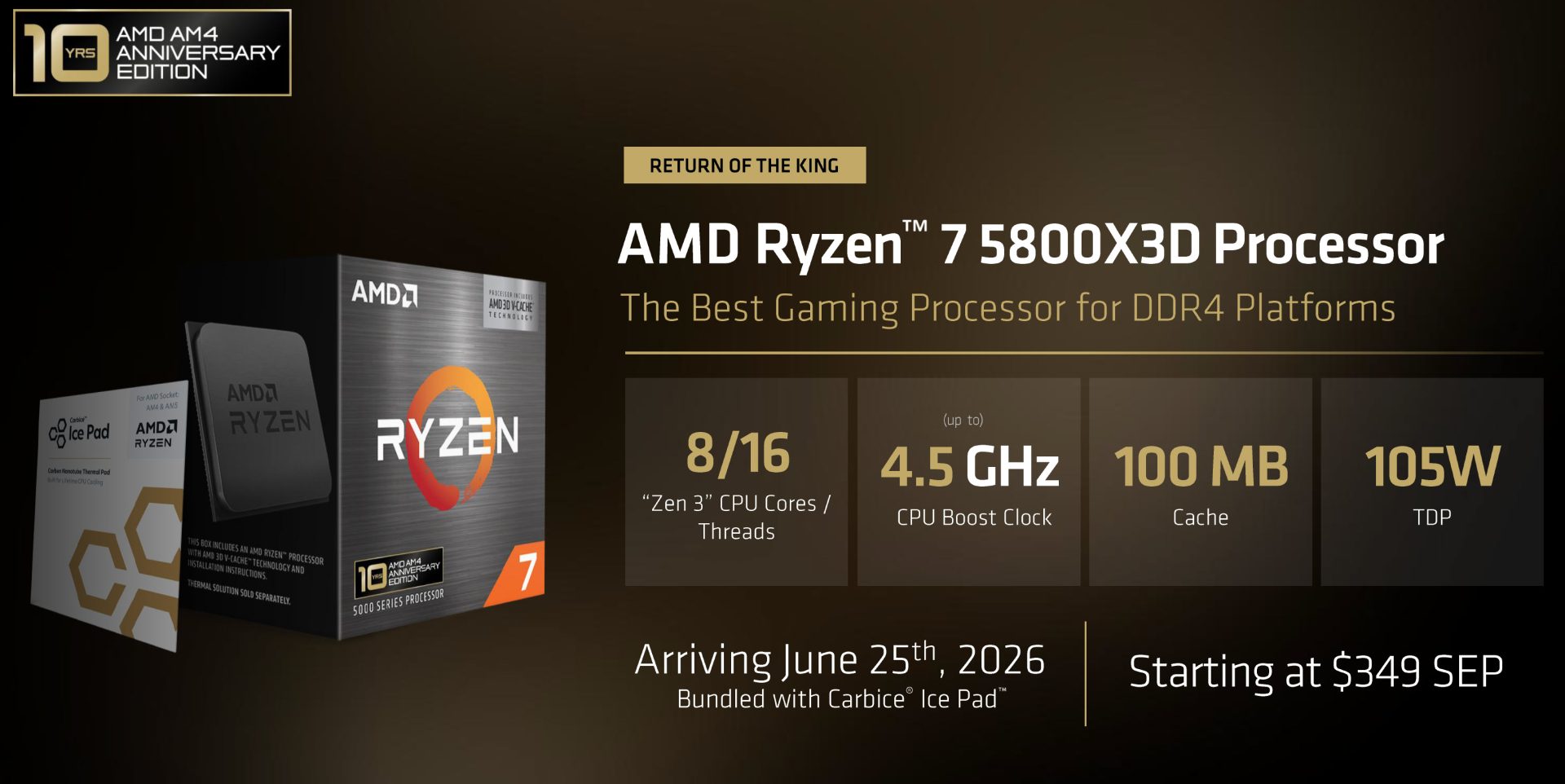
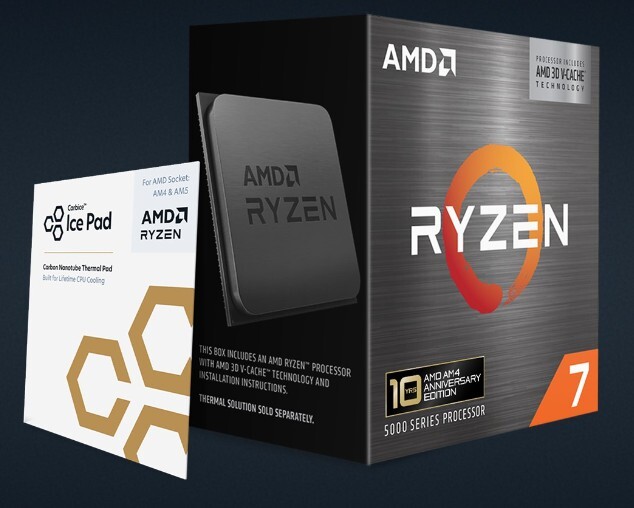
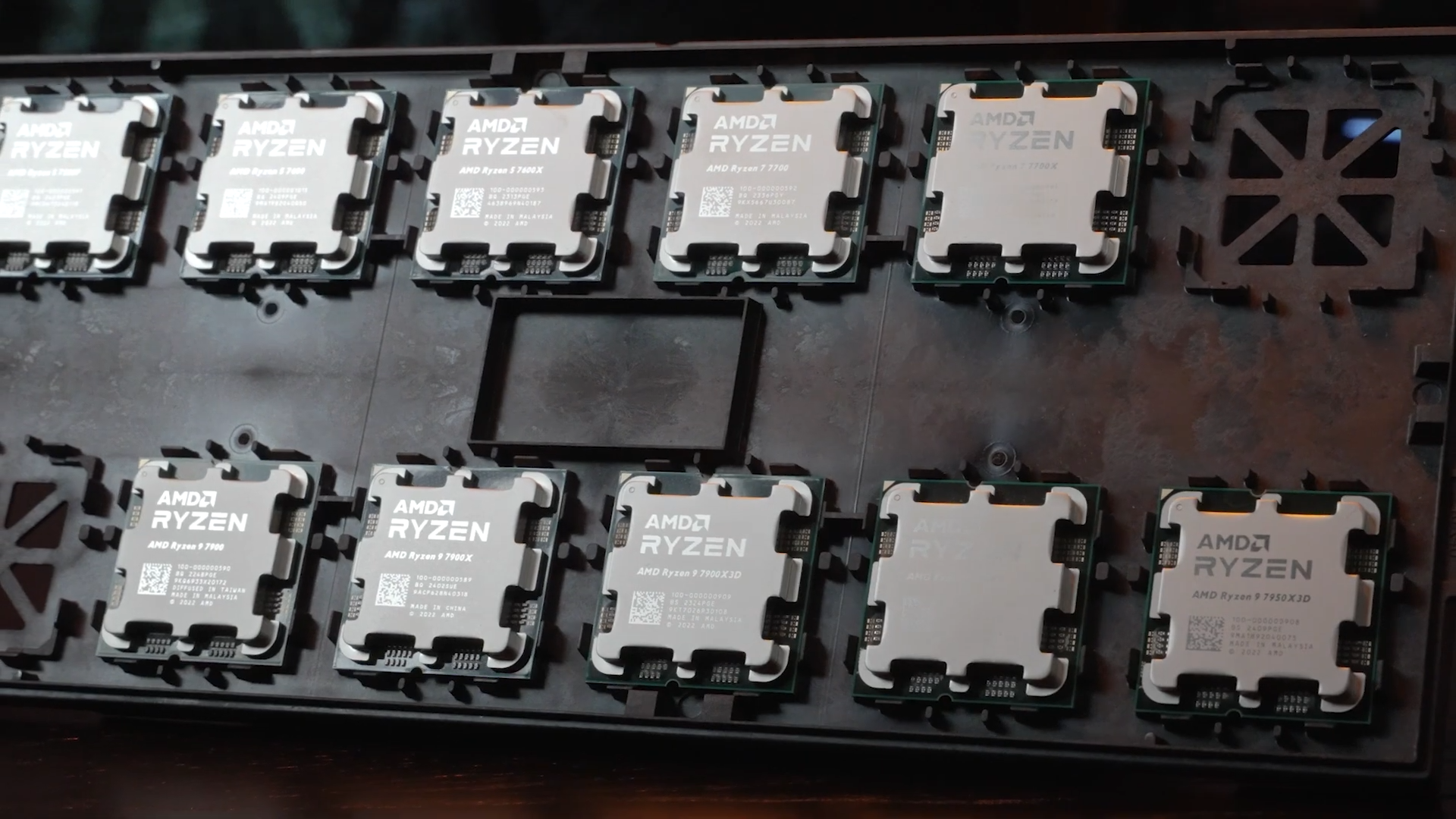
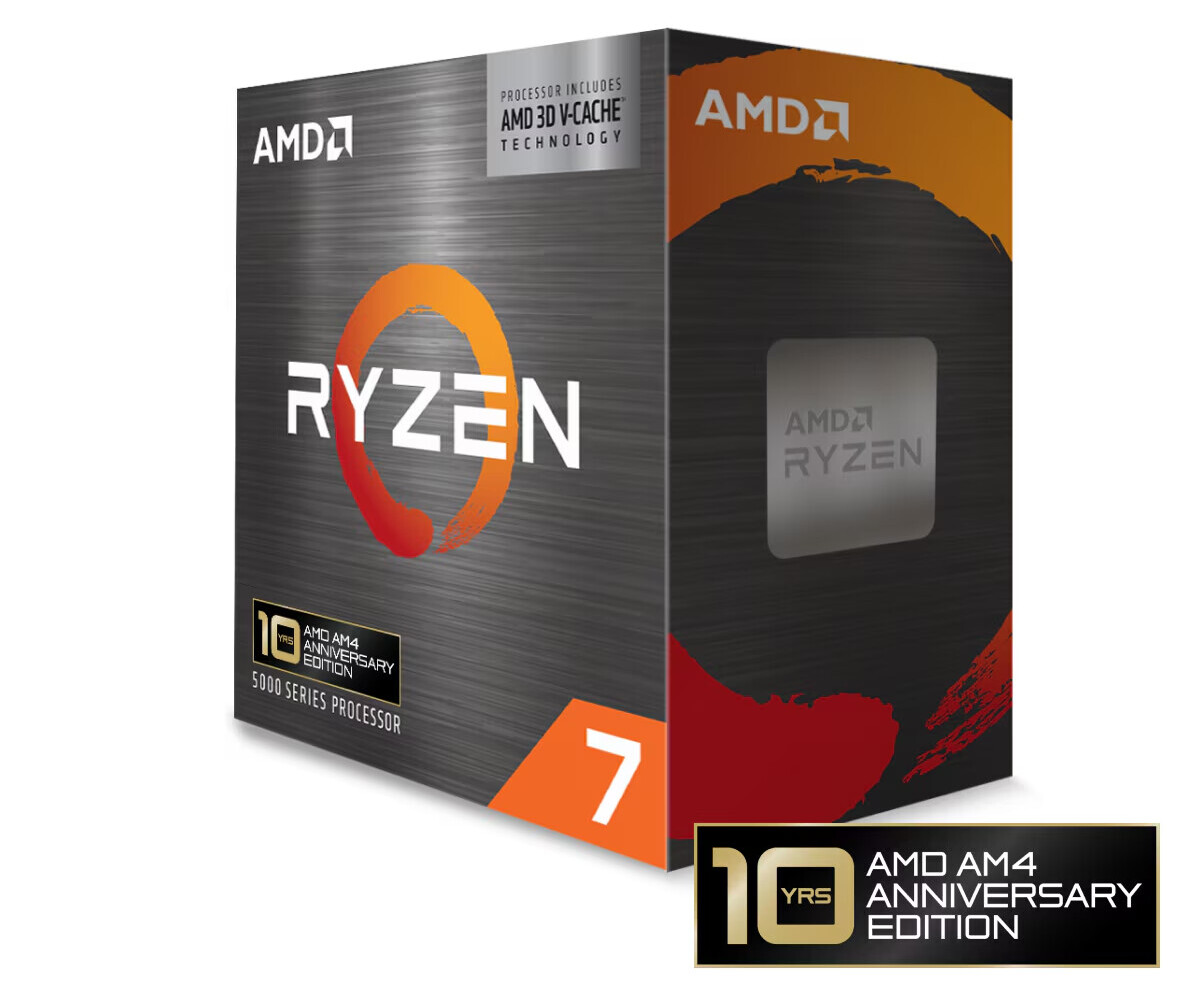
A developer building a high-end gaming rig now has a new option: AMD’s Ryzen 7 7700X3D, an 8-core/16-thread CPU with 3D V-Cache technology, priced at $329. It’s not the first time AMD has offered a 3D V-Cache chip, but this one is positioned squarely at the sweet spot for mainstream gamers—where performance meets value.
The 7700X3D doesn’t just inherit the architecture of its predecessors; it refines it. The 3D V-Cache, a stack of L3 cache layered above the CPU die, is designed to reduce latency and improve bandwidth for gaming workloads. This isn’t just about raw speed—it’s about how efficiently that speed translates into frame rates in real-world games.
Performance and Specifications
- Cores/Threads: 8 cores, 16 threads
- Base Clock: 4.5 GHz (turbo up to 5.0 GHz)
- Cache: 96 MB total cache (32 MB L3 + 64 MB 3D V-Cache)
- TDP: 120W
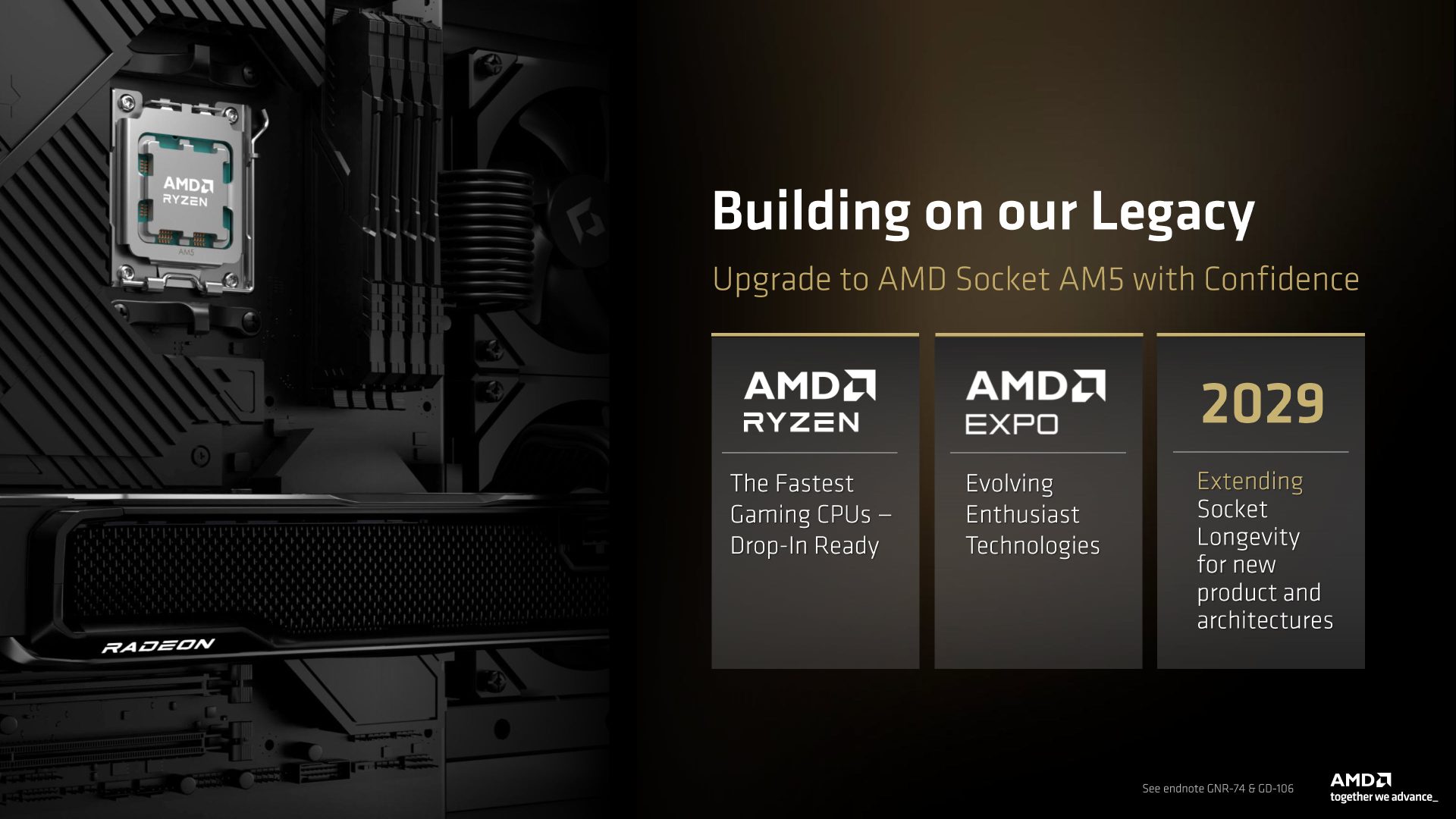
- Socket: AM5
- Memory Support: DDR5-6400 (with support for higher speeds in some cases)
The 7700X3D’s 3D V-Cache is a standout feature, but it’s not the only one. The CPU also supports PCIe 5.0 and DDR5 memory, which are becoming standard for high-performance builds. However, the real question is whether this chip delivers tangible improvements over its competitors—especially in games where cache efficiency matters most.
Who Benefits?
For enthusiasts and developers, the 7700X3D is a compelling choice if they’re already invested in AMD’s AM5 platform. The 3D V-Cache can provide noticeable gains in games that benefit from low-latency memory access, but it’s not a magic bullet—real-world performance still depends on the rest of the system, including the GPU and cooling solutions.
For everyday users who aren’t deeply involved in high-end gaming or content creation, this CPU may feel overkill. The price point is aggressive, but the target audience here is clear: gamers looking for the best possible performance without breaking the bank. Those already using older AM4 platforms will need to upgrade their motherboards and memory, which could offset some of the savings.
Comparison to Alternatives
The 7700X3D doesn’t exist in a vacuum. Intel’s Core i7-13700K is another high-end option, but it lacks the same level of cache optimization for gaming. AMD’s own Ryzen 9 5900X offers more cores and threads, but at a higher price point. The 7700X3D strikes a balance—it’s not the most powerful CPU on paper, but in benchmarks, it often outperforms chips with higher core counts when it comes to gaming.
What’s Next?
AMD has a roadmap for this platform, and the 7700X3D is just the beginning. Future iterations could bring even more cache optimizations or efficiency improvements, but for now, the focus is on delivering tangible performance gains today. Whether that translates into sustained leadership in gaming benchmarks remains to be seen, but the 7700X3D is a strong contender in the current landscape.
For buyers, the decision hinges on whether they need the additional cache and performance or if they’re content with slightly older, cheaper options. The $329 price tag makes it an attractive proposition for those who can justify the upgrade, but it’s not a one-size-fits-all solution. It’s a step forward, but not necessarily the final step in AMD’s gaming CPU journey.