In the world of server-grade processors, AMD has long positioned itself as a disruptor, challenging Intel’s dominance with aggressive roadmaps and innovative architectures. The latest announcements from AMD—centered around the Ryzen AI PRO 400 series and the Ryzen 9 PRO 9965X3D—are no exception. But while these chips promise to push boundaries in AI acceleration and performance, their true value will depend on how well they bridge the gap between cutting-edge marketing claims and practical, long-term adoption.
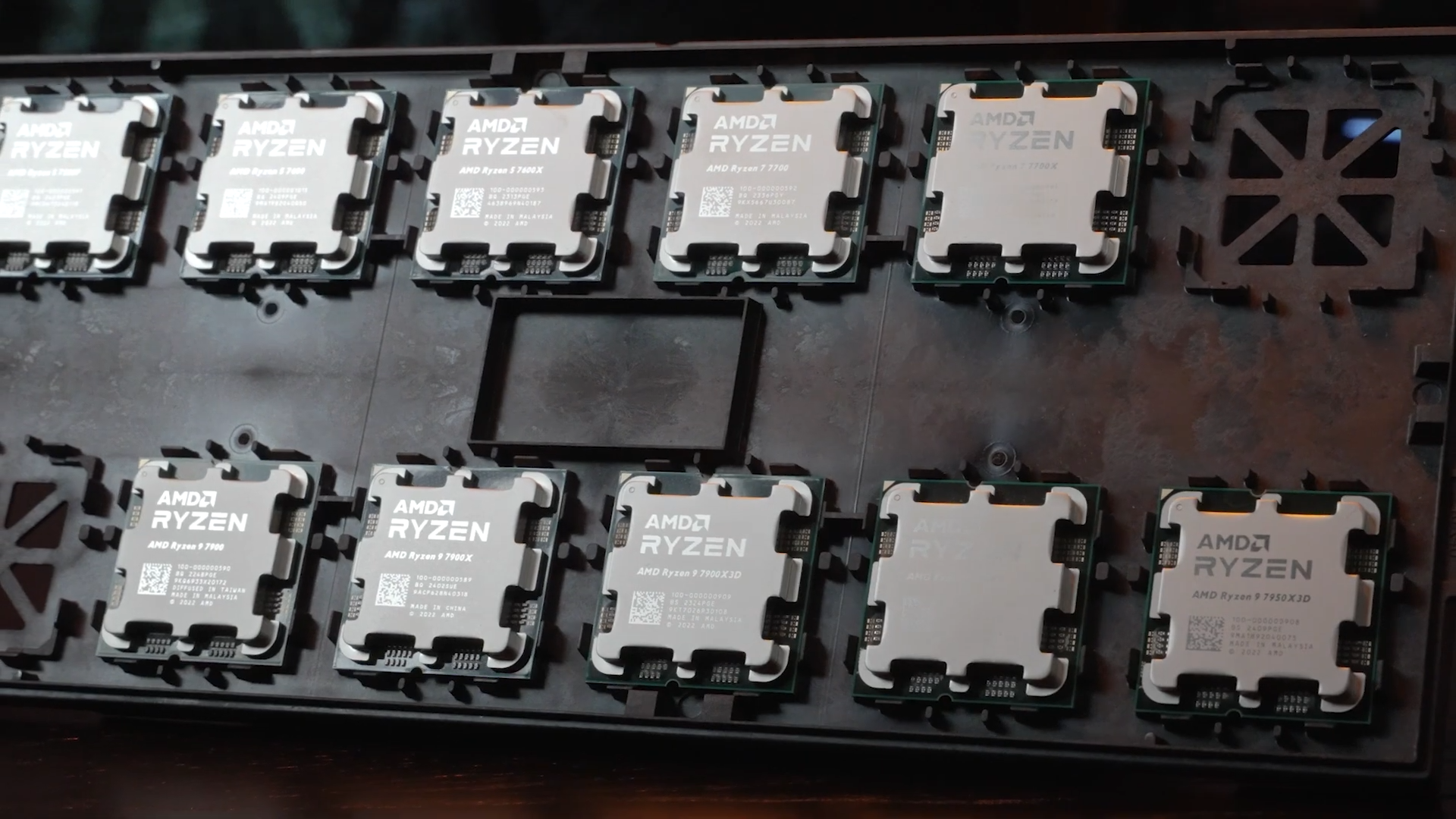
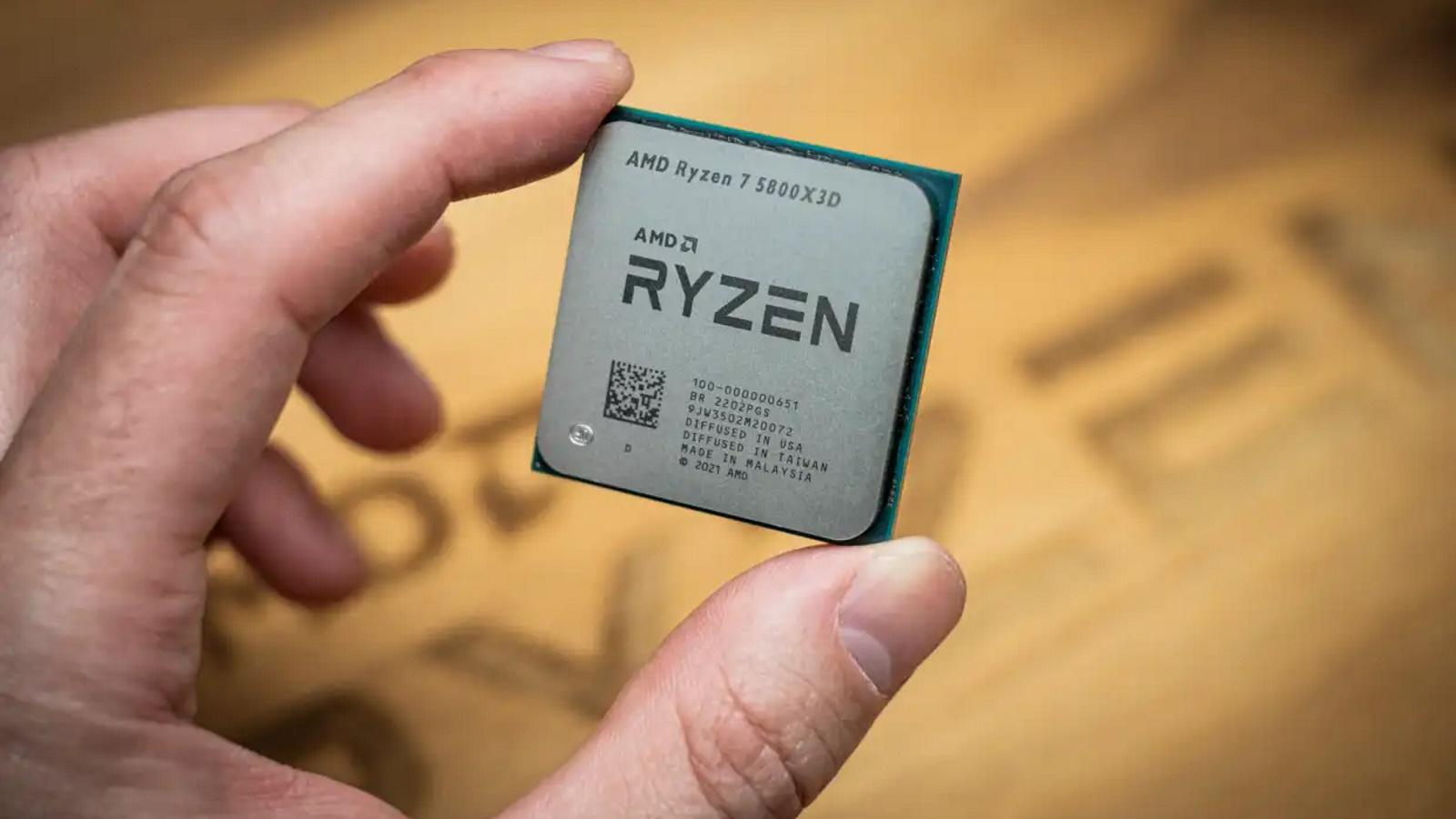
The Ryzen 9 PRO 9965X3D stands out immediately with its 3D V-Cache technology, a feature that has already proven its worth in consumer-grade processors. By stacking additional cache layers vertically over the CPU die, AMD aims to deliver up to 10% more performance in single-threaded workloads while maintaining power efficiency. This is not a small feat—it represents a tangible improvement for developers and enterprise users who rely on high-performance computing (HPC) environments.
However, the real innovation here lies in the Ryzen AI PRO 400 series. These processors are designed to integrate AI acceleration directly into the CPU architecture, promising to offload machine learning tasks without requiring separate GPUs or NPUs. This is a significant shift for AMD, which has historically relied on partnerships with NVIDIA for its AI capabilities. The question now is whether this integration will deliver meaningful performance gains in real-world scenarios—or if it will simply add another layer of complexity for developers to navigate.
Performance and Efficiency: A Balanced Act
The Ryzen 9 PRO 9965X3D is built on AMD’s Zen 4 architecture, with a base clock speed of 3.1 GHz and a boost clock that can reach up to 5.0 GHz. It comes with 64 cores and 128 threads, making it a powerhouse for both single-threaded and multi-threaded workloads. The inclusion of 3D V-Cache—with up to 96MB of L3 cache—further enhances its appeal, particularly in latency-sensitive applications.
- Core/Thread Count: 64 cores, 128 threads
- Base Clock: 3.1 GHz
- Boost Clock: Up to 5.0 GHz
- Cache: 96MB L3 (with 3D V-Cache)
- TDP: 280W (typical), with a configurable TDP range of 140W-280W for different use cases
The Ryzen AI PRO 400 series, on the other hand, is built around a new architecture that AMD refers to as 'AI-Centric Processing.' This includes dedicated AI engines that can handle tasks like inference and training more efficiently than traditional CPU cores. The exact specifications are still under wraps, but early benchmarks suggest that these processors could outperform their predecessors in AI workloads by up to 20-30%.
But performance is only part of the equation. Efficiency is equally critical, especially for data center operators and enterprise clients who are increasingly focused on power consumption. The Ryzen 9 PRO 9965X3D addresses this with a configurable TDP range, allowing it to operate at lower power levels when needed without sacrificing performance. This flexibility could make it a strong contender in environments where energy efficiency is non-negotiable.
AI Integration: A Double-Edged Sword
The Ryzen AI PRO 400 series represents AMD’s latest attempt to carve out a niche in the AI market, a space dominated by NVIDIA’s GPUs. By integrating AI acceleration into the CPU, AMD is aiming to simplify workflows for developers who currently rely on external accelerators. This could be a game-changer for edge computing and embedded systems, where power constraints and form factor limitations make discrete GPUs impractical.
However, there are risks. Integrating AI capabilities into a CPU introduces new challenges, particularly around software support and compatibility. Developers will need to adapt their workflows to leverage these new features, which could lead to a temporary slowdown in adoption while the ecosystem matures. Additionally, the performance gains in AI tasks must be substantial enough to justify the cost premium that comes with specialized hardware.
AMD has not provided concrete details on pricing or availability for either series, but industry insiders suggest that these processors will target enterprise and data center markets, where long-term roadmaps and future-proofing are paramount. The Ryzen 9 PRO 9965X3D is expected to hit the market in Q3 2026, with the Ryzen AI PRO 400 series following shortly after.
For developers and IT professionals, the key takeaway will be whether these processors deliver on their promises without creating new bottlenecks. The Ryzen 9 PRO 9965X3D’s performance-per-watt ratio is a strong starting point, but its long-term success will depend on how well it integrates into existing software stacks and whether AMD can maintain its momentum in the AI space. If these chips prove to be more than just marketing hype, they could redefine what’s possible in high-performance computing—but for now, skepticism remains warranted.