AMD’s next-generation graphics architecture is inching closer to reality, with a subtle but significant clue emerging from the tech giant’s development pipeline. A recent update to the **LLVM Project**, a critical compiler framework for GPU drivers, has exposed a reference to **GFX13**, a code name strongly associated with the **RDNA 5** architecture—successor to the current **RDNA 4** lineup.
This isn’t the first time **GFX13** has surfaced in AMD’s documentation. Earlier patch notes and developer discussions had hinted at its existence, but the latest LLVM update—released late last week—marks a more concrete step forward. The identifier follows a pattern similar to past GPU generations, where **GFX12** and **GFX1250** corresponded to **RDNA 4** chips. If the pattern holds, **GFX13** could signal the beginning of AMD’s **RDNA 5** development cycle, potentially leading to a new family of discrete GPUs.
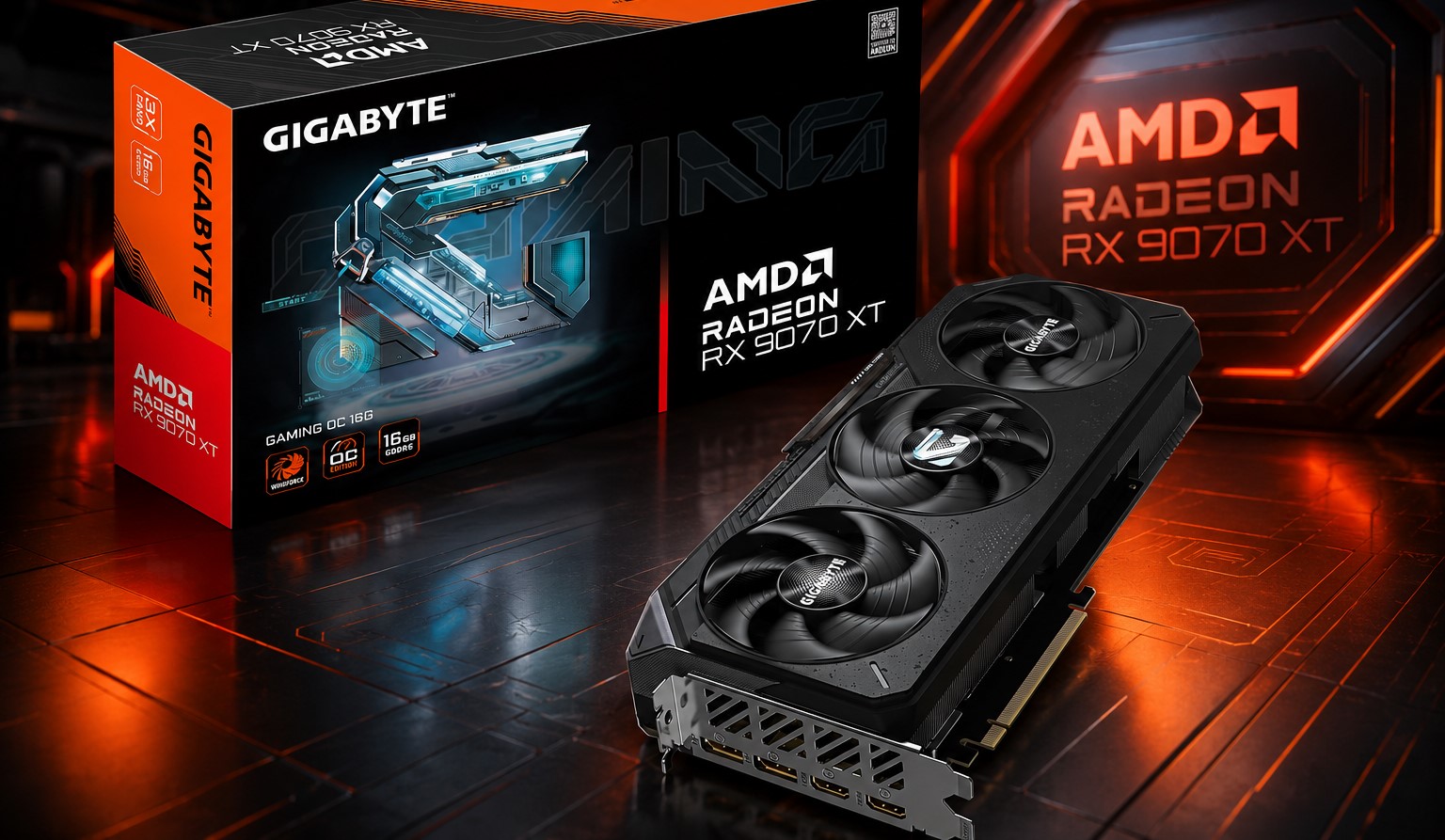
The timing remains speculative. While some industry observers have floated a **mid-2027** launch window, aligning with next-gen console releases, AMD has not provided an official roadmap. The company’s focus has been on refining current architectures—such as the **RX 9070 XT**, which reportedly outpaces the **RTX 5070 Ti** by nearly **15%** in performance benchmarks—before shifting attention to long-term projects.
What Does GFX13 Mean for AMD’s Roadmap?
The appearance of **GFX13** in LLVM suggests that AMD is preparing the foundational software layers needed for **RDNA 5** GPUs. This includes driver optimizations, shader compilation improvements, and potential support for new memory standards—such as **DDR6**, which is expected to become more prevalent in high-end GPUs by 2027.
For gamers and professionals, the implications could be substantial. If **RDNA 5** follows AMD’s recent trends, it may introduce
- **Higher core counts**—rumors point to configurations with up to **96 compute units (CUs)**, a significant jump from current **RDNA 4** designs.
- **Wider memory buses**—speculation includes a **384-bit** interface, which could improve bandwidth for **4K and ray-traced** workloads.
- **New power efficiency**—AMD’s shift toward **UDNA** (a unified architecture) may further refine performance-per-watt metrics.
However, the path to consumer availability is still unclear. Past examples, like the **RX 5000** series, entered **maintenance mode** after just one year, meaning limited driver updates and game support. If **RDNA 5** follows a similar trajectory, early adopters may need to weigh long-term compatibility against cutting-edge performance.
How This Compares to Current AMD GPUs
AMD’s latest GPUs—such as the **RX 9070 XT** and **RX 9060 XT**—have already pushed boundaries in value and performance. The **RX 9070 XT**, for instance, delivers **42% better 4K performance** than the **RX 7900 GRE**, while the **RX 9060 XT** positions itself as the **fastest GPU under $350**. Yet, these are still built on **RDNA 4**, an architecture that may not fully support emerging **DDR6** memory or next-gen rendering techniques.
If **GFX13** leads to **RDNA 5**, AMD could address these limitations. The architecture might also introduce finer-grained optimizations for **AI upscaling**, **variable rate shading (VRS)**, and **hybrid rendering**—features that have become staples in modern gaming. For now, though, the focus remains on polishing existing products before turning to the future.
The next major milestone will likely be AMD’s **LLVM 23.1 stable release**, expected in **August or September**. If **GFX13** support advances by then, it could provide clearer insights into **RDNA 5’s** design and performance potential. Until then, the GPU landscape remains a mix of incremental upgrades and long-term speculation.
For users with older hardware—such as **RX 580** or **RX 5000** series cards—this development is a reminder that the transition to newer architectures is always on the horizon. While **RDNA 5** may not arrive for another year or more, the groundwork is being laid, one compiler update at a time.