A file that should never have been public has exposed a quiet battle between hardware limitations and software ambition. Deep within AMD’s recent FSR 4 rollout, a library meant only for RDNA 4 GPUs accidentally surfaced code paths designed to run on RDNA 2 and RDNA 3 silicon—a clear sign that an INT8 variant of the upscaling technology was under development before being sidelined.
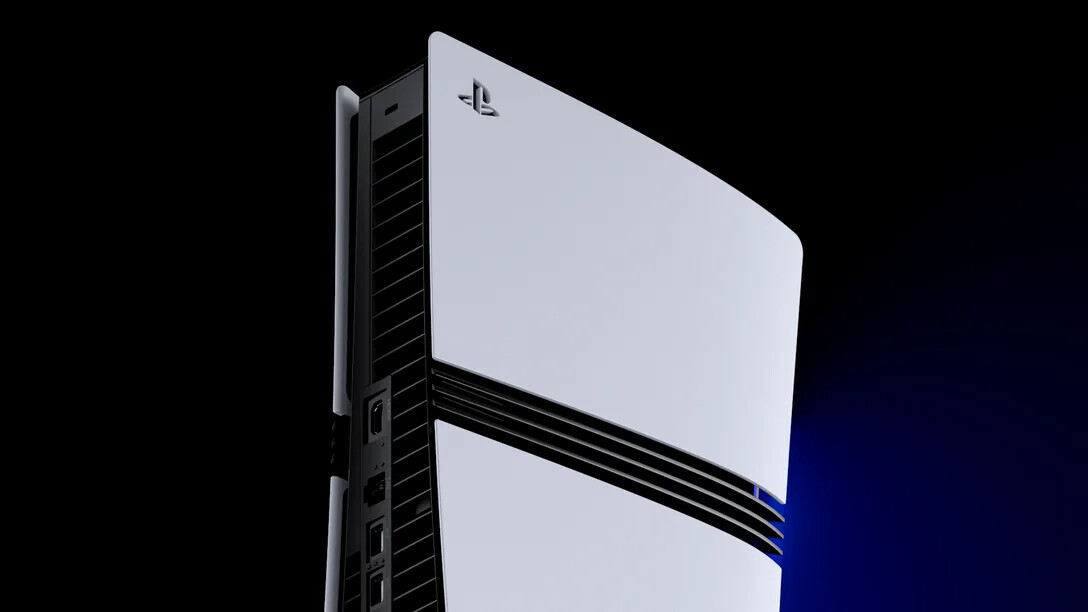
That oversight now allows modders to bring FSR 4-style performance to Radeon RX 7000 and 6000 series cards, but it also points to a more strategic misstep: Sony’s PlayStation 5 Pro, built around an RDNA 2 GPU, may have been intended to receive the very same INT8 implementation that AMD later positioned as exclusive to its newest architecture.
Sony’s Upgraded PSSR (PSSR 2.0) and AMD’s FSR Redstone share a common ancestry. Both are trained on different datasets—one optimized for living-room TV distances, the other for closer PC monitor setups—but the underlying model remains nearly identical in practice. The difference is not just in floating-point precision; it lies in how that precision maps to real-world visual fidelity when scaling 4K content.
- FSR 4 (RDNA 4): 16-bit floating point, full feature set, PC-focused training data.
- PSSR 2.0 (RDNA 2): 8-bit integer, fixed 2:1 upscale, living-room distance optimized.
- FSR Redstone (RDNA 3/4): Hybrid 8-bit/16-bit, mixed training, transitional flavor.
The INT8 path was not a failure; it was a compromise. RDNA 2 lacks the hardware to process full 16-bit floating point at high throughput, so the algorithm was retrained to work within those constraints. The result is close enough in visual quality that even trained eyes struggle to pick differences between PSSR 2.0 and its RDNA 4 counterpart—unless you look for subtle artifacts under extreme magnification.
For developers, this leak underscores a growing trend: upscaling is no longer just about raw performance; it’s about fine-tuning the algorithm to match display geometry and hardware capabilities. The days of one-size-fits-all solutions are fading as both AMD and Sony push deeper into domain-specific optimization.