AMD’s Ryzen 9000X3D lineup—particularly the Ryzen 7 9800X3D—has exposed a compatibility gap with certain AMD 800-series motherboards, leaving some users with sluggish or unresponsive systems. The problem stems from the 3D V-Cache architecture, which, while boosting gaming performance by up to 15%, demands tighter integration with newer chipsets like AM5.
ASUS, one of the largest motherboard manufacturers, has confirmed the issue and is actively working with AMD to validate reported cases. The company is encouraging users to update their motherboard BIOS via ASUS EZ Flash or BIOS Flashback to ensure stability. For those already experiencing problems, ASUS customer support is available for direct assistance.
This isn’t the first time AMD’s high-end 3D V-Cache CPUs have caused compatibility headaches. Earlier this year, leaks revealed a 16-core Ryzen 9000X3D with 192MB of L3 cache and a 200W TDP, a design that pushes power delivery limits. Meanwhile, ASUS has previously proposed reinforced PCIe slots to handle GPUs like the upcoming RTX 5090, which is expected to draw up to 250W.
For users planning to pair a Ryzen 7 9800X3D or Ryzen 9 9950X3D with an 800-series board, the solution is straightforward: a BIOS update. ASUS has provided detailed instructions in an official FAQ, ensuring even less tech-savvy users can resolve the issue without risking data loss.
The Ryzen 9000X3D series, including models like the Ryzen 7 9850X3D (boosting to 5.6GHz) and the newly leaked Ryzen 9 9950X3D2, relies on AMD’s Zen 5 architecture. While these chips deliver exceptional single-core performance, their power demands and memory requirements make them incompatible with older motherboards lacking the necessary PCIe 5.0 lanes or DDR5-6000+ support.
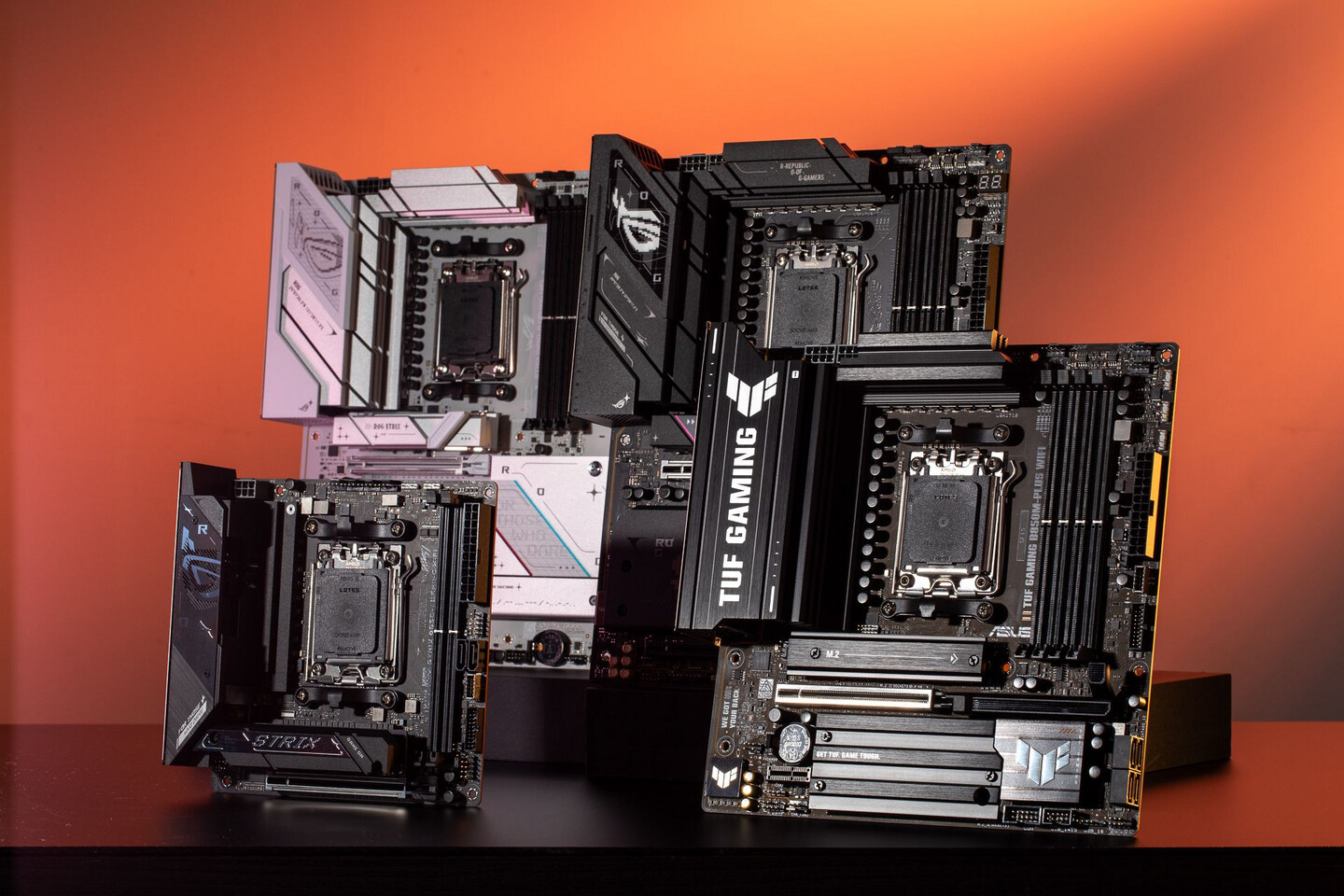
ASUS’s response reflects a broader industry trend: high-performance CPUs and GPUs now require motherboards designed for their specific needs. For gamers and content creators, this means investing in AM5-based boards—like ASUS’s ROG Crosshair or TUF Gaming series—to fully unlock the potential of AMD’s latest processors.
Pricing for these high-end CPUs remains steep. The Ryzen 9 9950X3D2, for instance, is expected to retail for $699, while the Ryzen 7 9850X3D is priced at $599. Meanwhile, the RTX 5090, anticipated to cost around $5000 due to AI-driven demand, will further strain power delivery systems, reinforcing the need for upgraded motherboards.
For now, ASUS’s advice is clear: check your motherboard’s BIOS version and update if necessary. The company is committed to transparency, and users with ongoing issues should reach out to support for personalized solutions.
As AMD continues to push the boundaries of CPU performance, motherboard manufacturers must keep pace. The Ryzen 9000X3D series represents a leap forward—but only if paired with the right hardware.