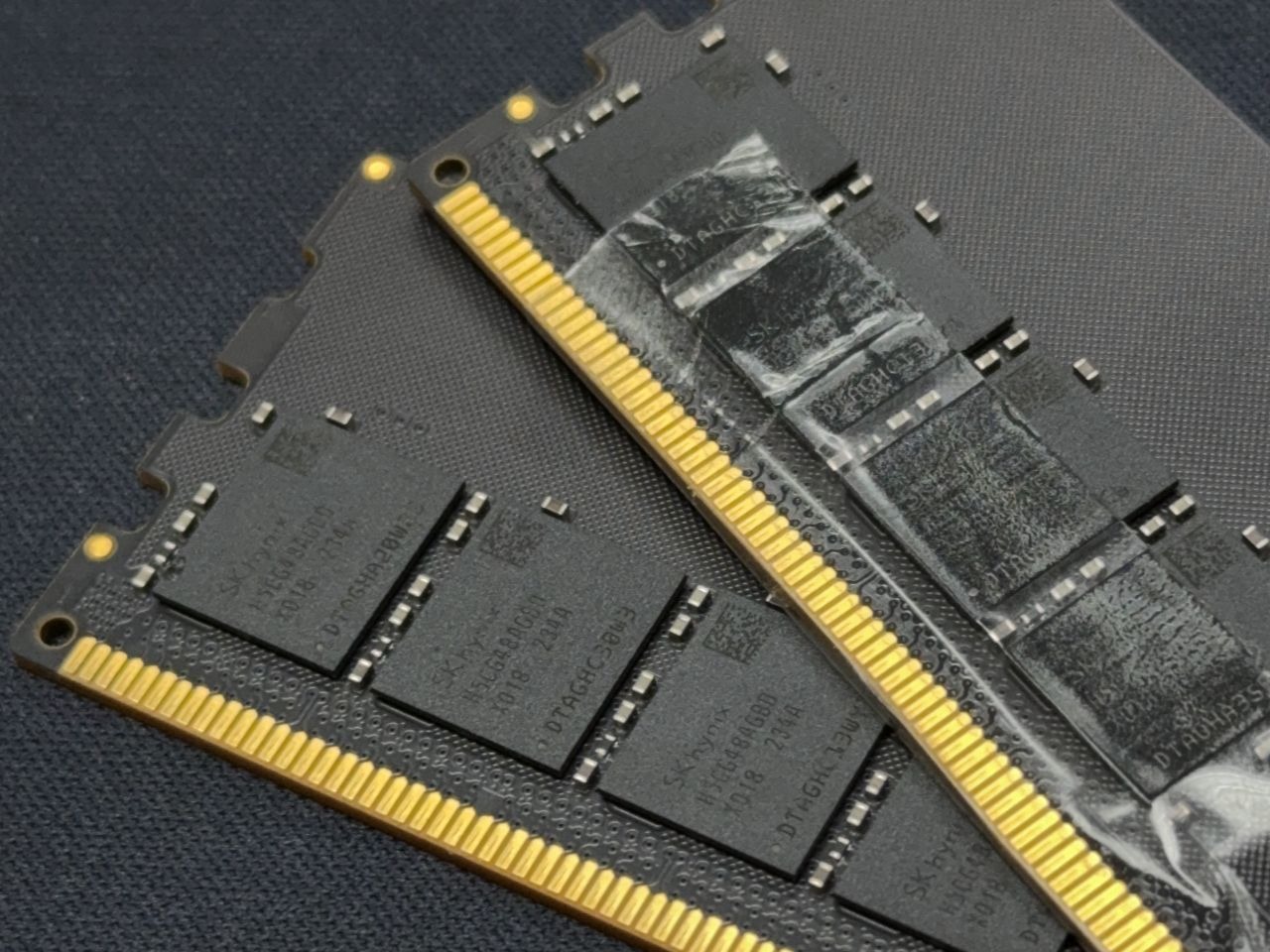
Apple’s appetite for DRAM is no longer just a matter of meeting demand—it’s becoming a defining factor in the semiconductor market. A projected increase of 2.4 exabytes, enough to fill the storage of over a million servers, has sent shockwaves through Wall Street. While some analysts warn of potential margin pressures, Goldman Sachs is betting that this surge signals something far more strategic: Apple’s deepening commitment to AI-driven hardware and cloud services.
Previously, the focus was on whether Apple could absorb the cost without passing it onto consumers or partners. But Goldman Sachs suggests that the move is less about short-term panic and more about long-term positioning. If accurate, this implies Apple is preparing for a future where memory isn’t just a component but a competitive advantage—one that could redefine its edge in the tech landscape.
Supply Chain Strategy: Commitment or Risk?
The debate now centers on whether Apple will lock itself into multi-year supply deals or remain agile with spot market purchases. Long-term contracts could stabilize costs, but they also risk limiting flexibility as demand shifts. The question is whether Apple’s willingness to commit reflects confidence in its roadmap—or a calculated gamble that could pay off in the long run.
Market Implications: Winners and Losers
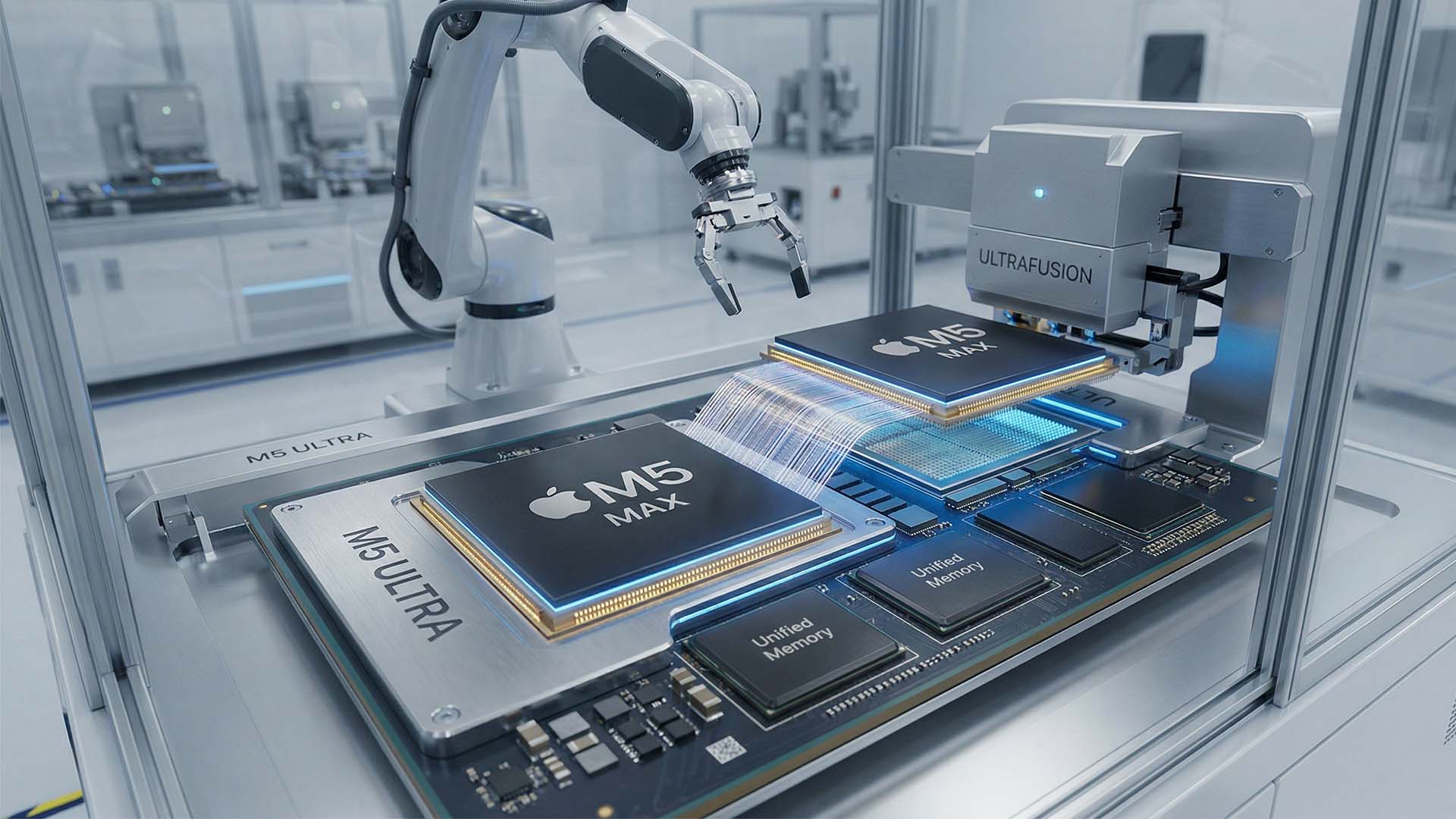
The real test will be whether this shift benefits small businesses integrating Apple’s hardware into AI workflows. Stable DRAM pricing could lower operational costs for cloud services, but only if Apple avoids over-reliance on a single supplier. Meanwhile, competitors are watching closely to see if they’ll follow suit or let Apple dominate the memory market.
The Long View
Goldman Sachs’ shift from earlier caution marks a significant change in Wall Street’s narrative. But the bigger question remains: Is this a sign of innovation, or just another chapter in Apple’s platform lock-in strategy? The answer may determine whether the tech giant’s DRAM surge becomes a model for others—or a cautionary tale about overcommitting to supply chains.