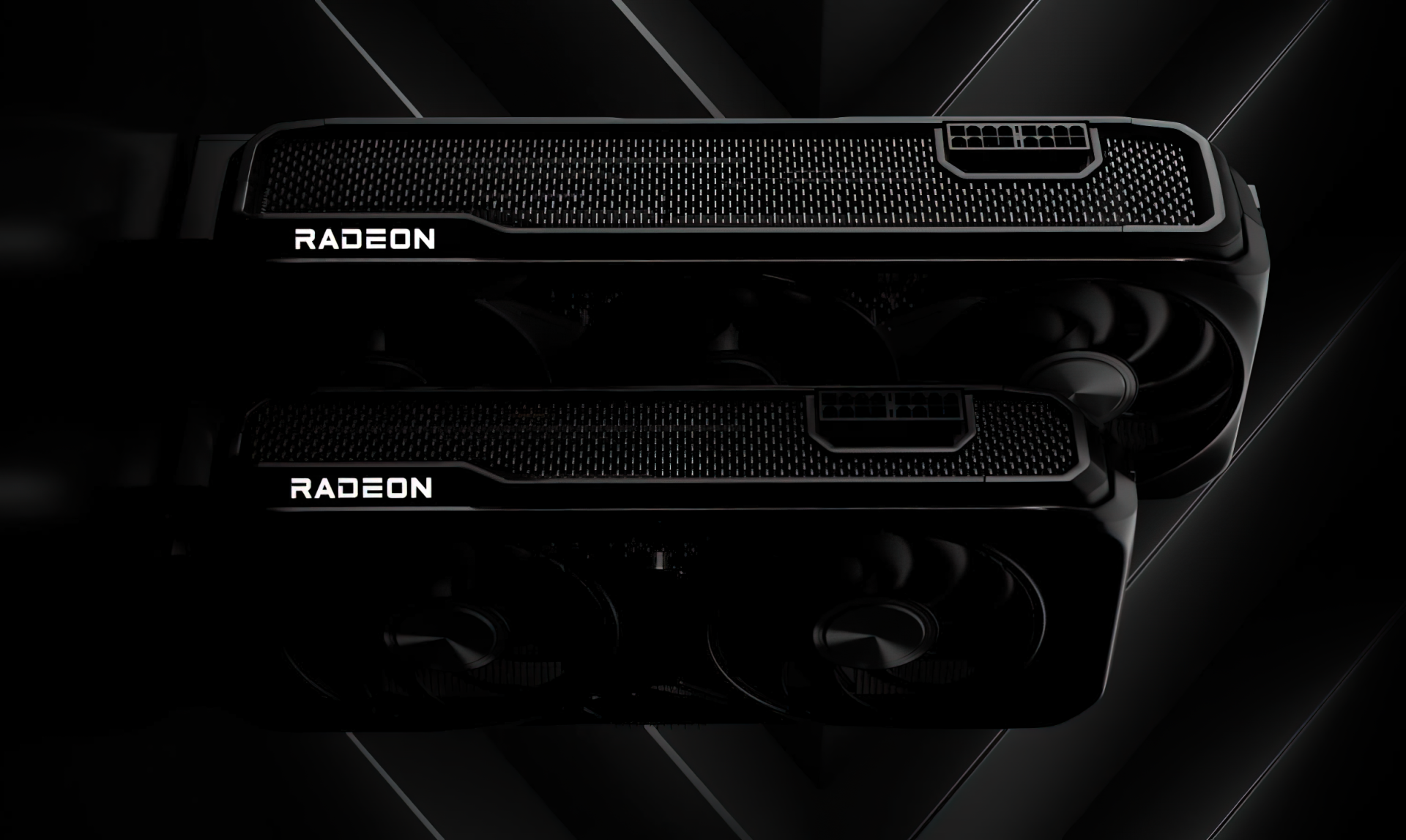
Developers and content creators now have a powerful tool to optimize GPU workloads more efficiently than ever before. AMD has unveiled a new technique that can cut shader load times by up to 95%, a leap forward in rendering efficiency that doesn't require a hardware refresh.
This advancement is built into modern GPUs, targeting the growing demand for faster asset streaming and smoother real-time rendering. The technology works by intelligently managing how shaders are loaded and processed, reducing stuttering and improving frame consistency—critical factors in applications ranging from game development to 3D modeling.
Improving Real-Time Workflows
The optimization focuses on minimizing the time it takes for a GPU to fetch and prepare shaders, which are essential instructions that define how light, textures, and effects behave in graphical scenes. By streamlining this process, AMD claims significant reductions in latency during shader-heavy tasks, such as loading complex assets or switching between different visual effects.

- Up to 95% reduction in shader load times for specific workloads.
- Smoother frame rates and reduced stuttering in real-time applications.
- No additional hardware or software required—compatible with existing AMD GPUs.
Why This Matters for Developers
For developers, this means less time spent tweaking performance settings to compensate for slow asset loading. The optimization is particularly valuable in scenarios where shaders are dynamically updated, such as during level transitions in games or when iterating on 3D models. The result is a more fluid experience without the need for manual optimizations that often come at the cost of visual fidelity.
Looking Ahead
The introduction of this technology signals AMD's continued focus on software-driven performance improvements, reducing reliance on hardware upgrades while delivering tangible gains in efficiency. As developers adopt these optimizations, the industry can expect a shift toward even more responsive and dynamic graphical experiences—setting a new benchmark for what’s possible without changing the underlying hardware.