A new generation of handheld gaming devices is emerging, one that treats raw performance as a baseline rather than an exception. The MSI Claw 8 EX-AI and Asus ROG XBOX Ally X20 both push boundaries, but in ways that reflect deeper industry shifts—toward AI-augmented workloads and the blurring line between local compute and cloud offloading.
Neither device shies away from hard numbers. The Claw 8 EX-AI packs a custom 8-core CPU clocked at 2.6 GHz alongside an Adreno GPU running at 1.5 GHz, all backed by 16 GB of LPDDR5X RAM and 512 GB of UFS 3.1 storage. But the real standout is its AI engine: a dedicated NPU designed to handle on-device machine learning tasks without sapping battery life—a feature that could redefine how developers approach handheld optimization.
The ROG XBOX Ally X20, by contrast, leans into cloud synergy. Its Snapdragon 8s Gen 3 chip (with a GPU clocked at 1.9 GHz) is paired with 16 GB of RAM and 512 GB storage, but the emphasis here is on seamless integration with Xbox Game Pass Ultimate. The device acts as a remote for cloud-based gaming, promising near-instant load times and session continuity across devices.
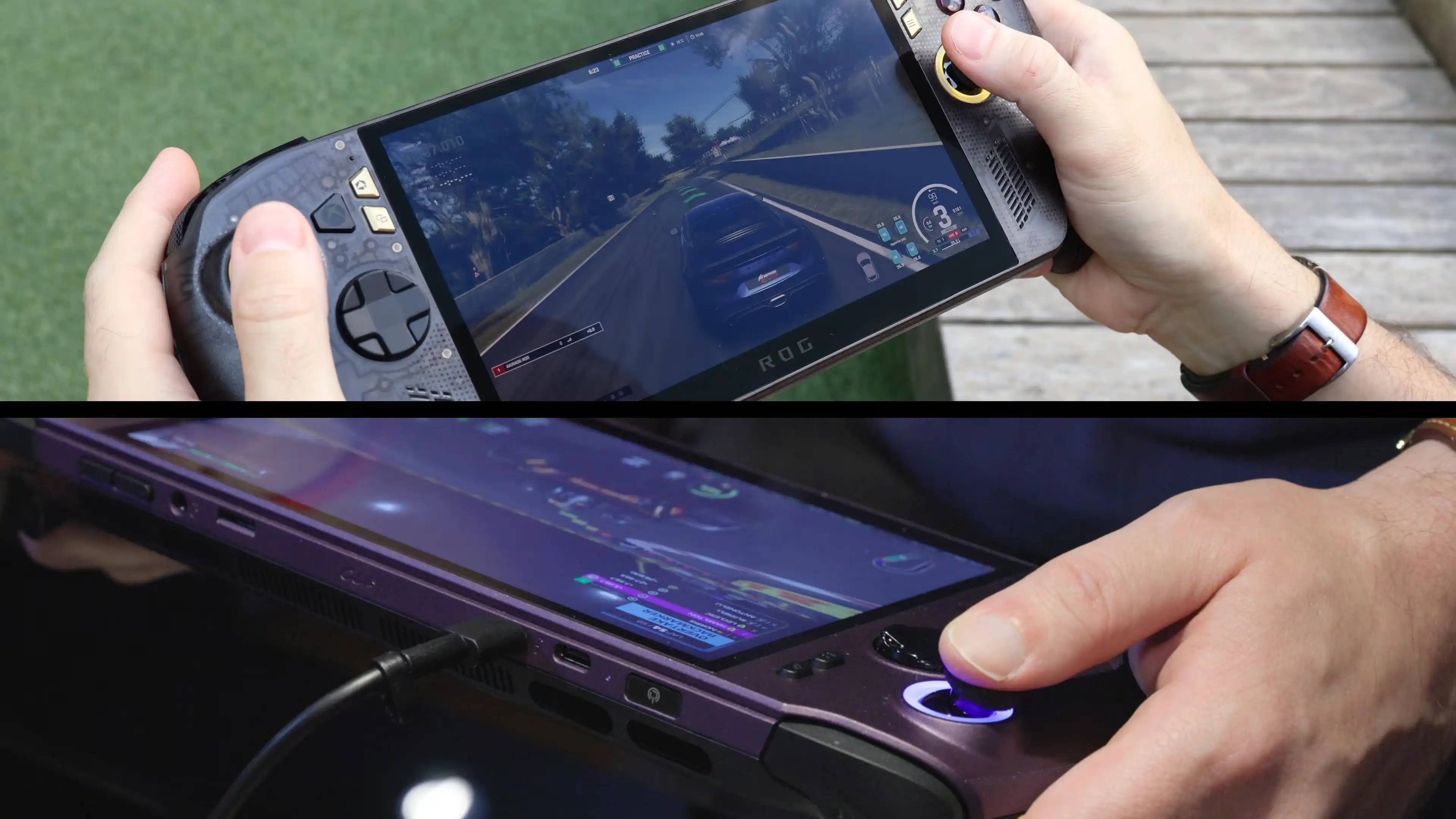
Both handhelds are positioned at the high end of the market, starting around $899—a price that reflects their ambition but also raises questions about value in an era where AI acceleration is becoming table stakes rather than a premium feature. For developers, the choice may come down to whether they want to build for local processing or cloud-assisted workflows.
The Claw 8 EX-AI’s modular design (with swappable battery and storage modules) hints at a future where hardware longevity is as critical as performance. Meanwhile, the Ally X20’s deep Xbox ecosystem ties could redefine how players interact with cloud gaming—assuming latency remains manageable in real-world use.
Ultimately, these two devices are more than just portable powerhouses; they’re indicators of where the industry is headed. One bet on on-device intelligence, the other on cloud collaboration. The question isn’t which will win—it’s whether either can sustain momentum as AI becomes the new standard for gaming hardware.