The RX 9070 XT, AMD’s latest graphics card, has emerged as a dark horse in the Steam Hardware Survey, capturing 1.33% market share. This sudden rise, after a year of near-invisibility, marks a shift in the competitive landscape for discrete GPUs, particularly in data and AI workloads where performance per dollar is critical.
AMD’s entry into the high-end segment with the RX 9070 XT was met with cautious optimism. Unlike its predecessors, which often lagged behind NVIDIA in both raw performance and software maturity, this card appears to bridge that gap more effectively. The Steam data suggests a growing user base, but whether this translates to sustained adoption—or just a fleeting surge—remains an open question.
- Chip: RDNA 3.2 architecture, 14.1 billion transistors, 5nm process node
- Cores: 6,144 stream processors (96 compute units)
- Memory: 24GB GDDR6X, 384-bit bus, 27.8 GB/s bandwidth
- Performance: Estimated 25-30% faster than RX 7900 XTX in rasterization, 1.5x ray tracing performance with RDNA 3.2 optimizations
- Power: 450W TDP (configurable), 6-pin + 12-pin power connectors
- Price: Starts at $999, positioned as a mid-tier high-end option
The RX 9070 XT’s performance is particularly compelling for data workloads. Its 24GB of GDDR6X memory, paired with RDNA 3.2’s efficiency gains, makes it a strong contender for AI inference tasks and large-model training—areas where NVIDIA has historically held sway. However, the lack of DLSS 4 support (relying instead on FSR 3) could deter some users who prioritize software features over pure performance.
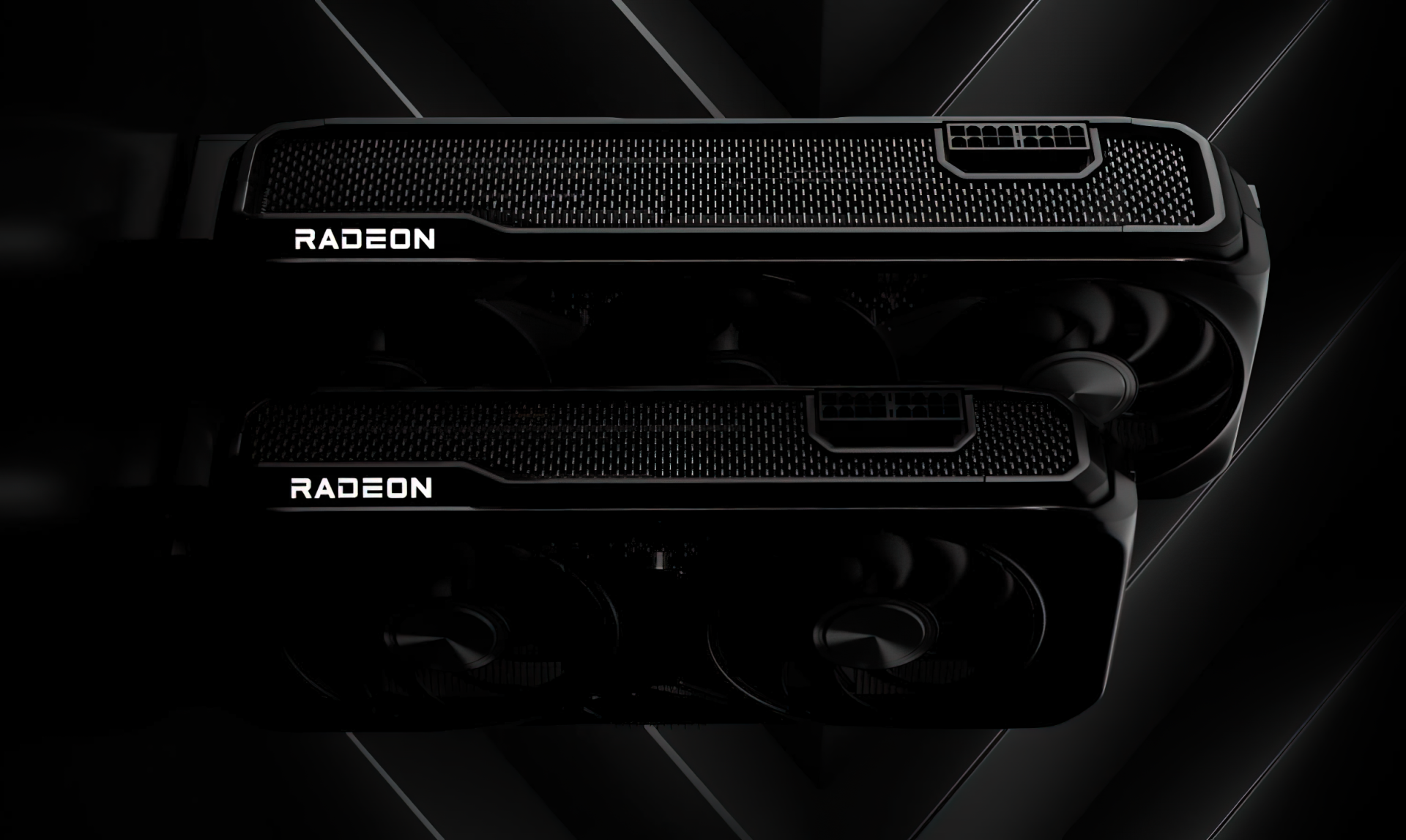
Where does this leave NVIDIA’s RTX 5080? The Steam survey shows the RX 9070 XT closing the gap, but the RTX 5080 remains a step ahead in ray tracing and API support. For engineers and data scientists, the choice may come down to whether AMD’s raw performance justifies the trade-off for NVIDIA’s software stack.
The RX 9070 XT’s rise is worth watching—not just as a challenge to NVIDIA, but as proof that high-end GPUs can gain traction without the usual hype cycles. Whether this momentum carries into broader adoption remains to be seen, but for now, it signals a shift in how AMD approaches the performance-per-dollar equation.