The gap between AI cities and smart cities is widening as municipal budgets tighten and performance demands rise. AI-driven systems promise adaptive, self-optimizing urban networks, but their real-world adoption hinges on compatibility with legacy infrastructure—a challenge that traditional smart city initiatives often sidestep.
AI Cities: The Adaptive Edge
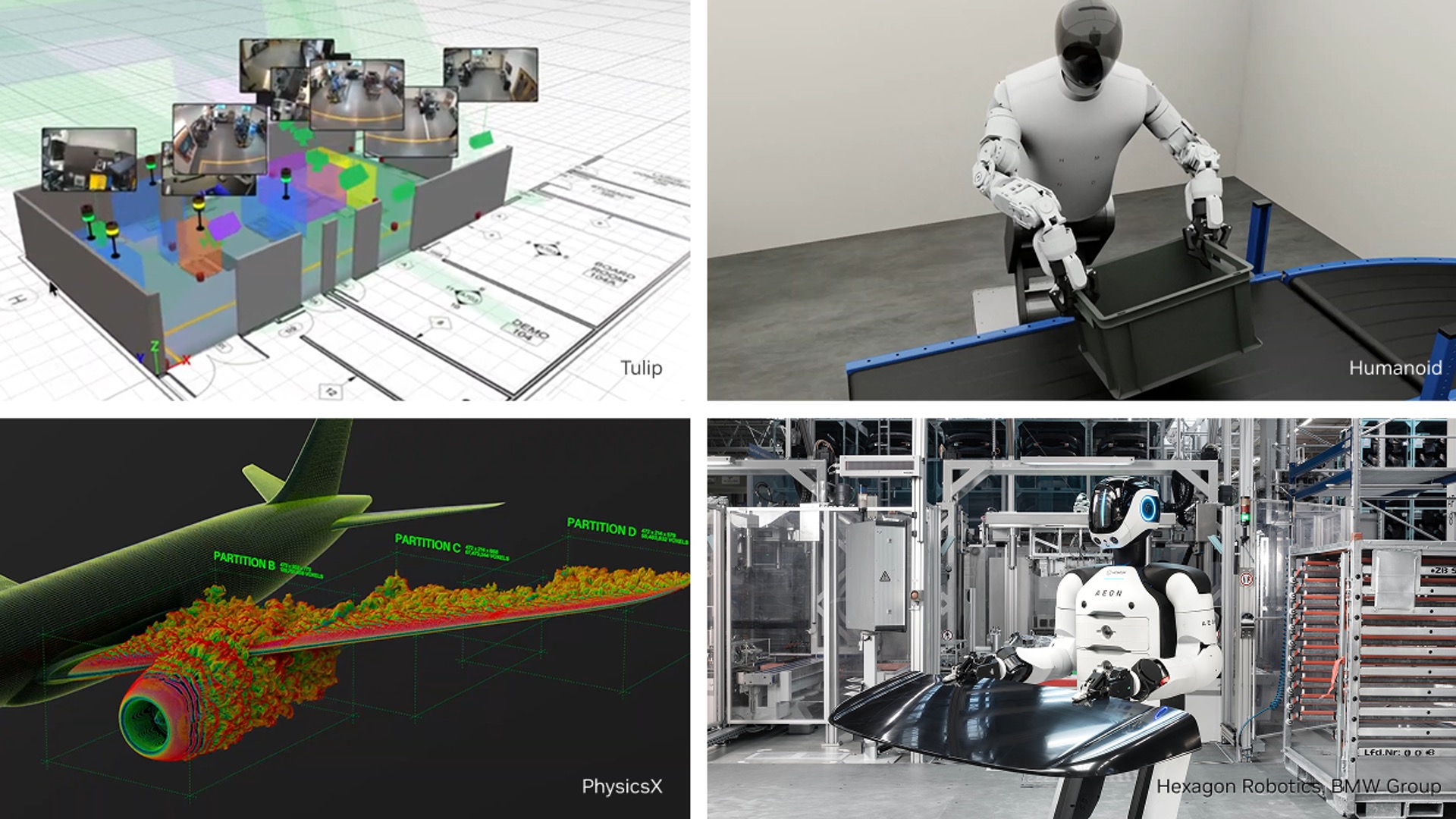
An AI city operates as a dynamic, learning system. It doesn’t just collect data; it analyzes patterns in real time to adjust traffic lights, manage energy grids, or reroute public transit based on live conditions. Unlike smart cities, which rely on predefined rules and static sensors, AI cities evolve with usage—improving response times and efficiency over months, not years.
For example, an AI-powered traffic management system can detect congestion hotspots within minutes of a new commuter pattern emerging, then automatically adjust signal timings. That level of responsiveness is rare in today’s smart city deployments, which often depend on fixed algorithms or manual overrides. The trade-off? AI systems require significant computational power—think dedicated GPUs with 24GB VRAM—to process the volume and complexity of urban data streams.
Smart Cities: The Stability Factor
Smart cities, by contrast, focus on seamless connectivity between devices and services. They prioritize interoperability over intelligence, ensuring that streetlights, parking meters, and public Wi-Fi networks communicate smoothly without necessarily learning from their environment. This approach is more about reliability than adaptability.
- Smart city infrastructure typically uses standardized protocols (like LoRaWAN or NB-IoT) to connect sensors across a cityscape.
- Energy efficiency is a core design goal, often achieved through low-power hardware and scheduled maintenance cycles rather than real-time optimization.
- Deployment costs are lower upfront because the systems don’t need high-end processing units—just stable, consistent data flows.
The stability comes at a cost: smart cities struggle to handle unexpected events. If a new traffic pattern emerges during an event like a marathon or festival, the system may not adjust quickly enough without manual intervention. AI cities, on the other hand, can adapt—but only if they’re built with the right hardware foundation.

Hardware as the Deciding Factor
The choice between AI and smart city approaches often comes down to available resources. Municipalities with limited budgets may default to smart city models because they deliver immediate benefits without requiring high-end GPUs or specialized cooling solutions. But those same cities risk being left behind when demands for real-time optimization grow.
Take the example of a mid-sized city upgrading its traffic management system. A smart city approach might cost around $5 million over three years, using off-the-shelf sensors and cloud-based analytics. An AI-driven alternative could exceed $12 million but deliver up to 30% faster response times during peak hours—critical for reducing gridlock in dense urban cores.
That’s the upside—here’s the catch: AI systems need not just powerful hardware, but also robust data pipelines. Without clean, high-velocity data feeds, even the most advanced GPU (like NVIDIA’s RTX 4090 with 24GB VRAM) can’t turn raw inputs into actionable insights. Smart cities avoid this problem by focusing on consistency over complexity.
What’s Next for Urban Tech
The market is shifting toward hybrid models, where smart city infrastructure serves as the backbone and AI layers are added incrementally. This two-phase approach lets municipalities test compatibility before investing in full-scale adaptive systems. The question isn’t whether cities will adopt AI—it’s how quickly they can integrate it without disrupting existing workflows.
For power users tracking urban tech, the key metric to watch is GPU adoption rates in municipal data centers. If more cities move to dedicated AI accelerators (like ASUS ROG Ally with 16GB GDDR6 RAM), we’ll see a clearer picture of whether performance gains justify the cost—or if smart city stability will remain the dominant choice for years to come.