A pilot sits in a cramped cockpit, fingers dancing across controls as a digital voice crackles through headsets—'Theve, respond to my call.' This is not a drill. The new Ace Combat 8: Wings of Theve drops players into a world where the skies are no longer just a battlefield but a battleground for narratives, where every mission blurs the line between combat and psychological warfare.
Gone are the days when dogfighting was purely about speed and firepower. In this installment, the focus shifts to the weight of choices—every strike risks escalating propaganda wars, turning allies into enemies or vice versa. The mentor’s callsign, a constant but ghostly presence, adds layers of tension that previous entries didn’t dare tackle.
Redesigned Combat, Unseen Consequences
The core of aerial combat remains intact: high-speed dogfights, precision strikes, and the adrenaline rush of outmaneuvering opponents. But beneath the surface, mechanics have evolved to reflect a more nuanced approach to warfare. Missions now carry consequences that ripple across the campaign, forcing players to weigh not just destruction but the political fallout of their actions.
- New 'Propaganda Impact' system: Every mission leaves a mark on public perception, altering how factions view your actions.
- Mentor’s callsign: A recurring audio cue that guides—or misleads—pilots, adding depth to decision-making.
- Tactical rethink: Dogfights are faster but require smarter use of terrain and cover.
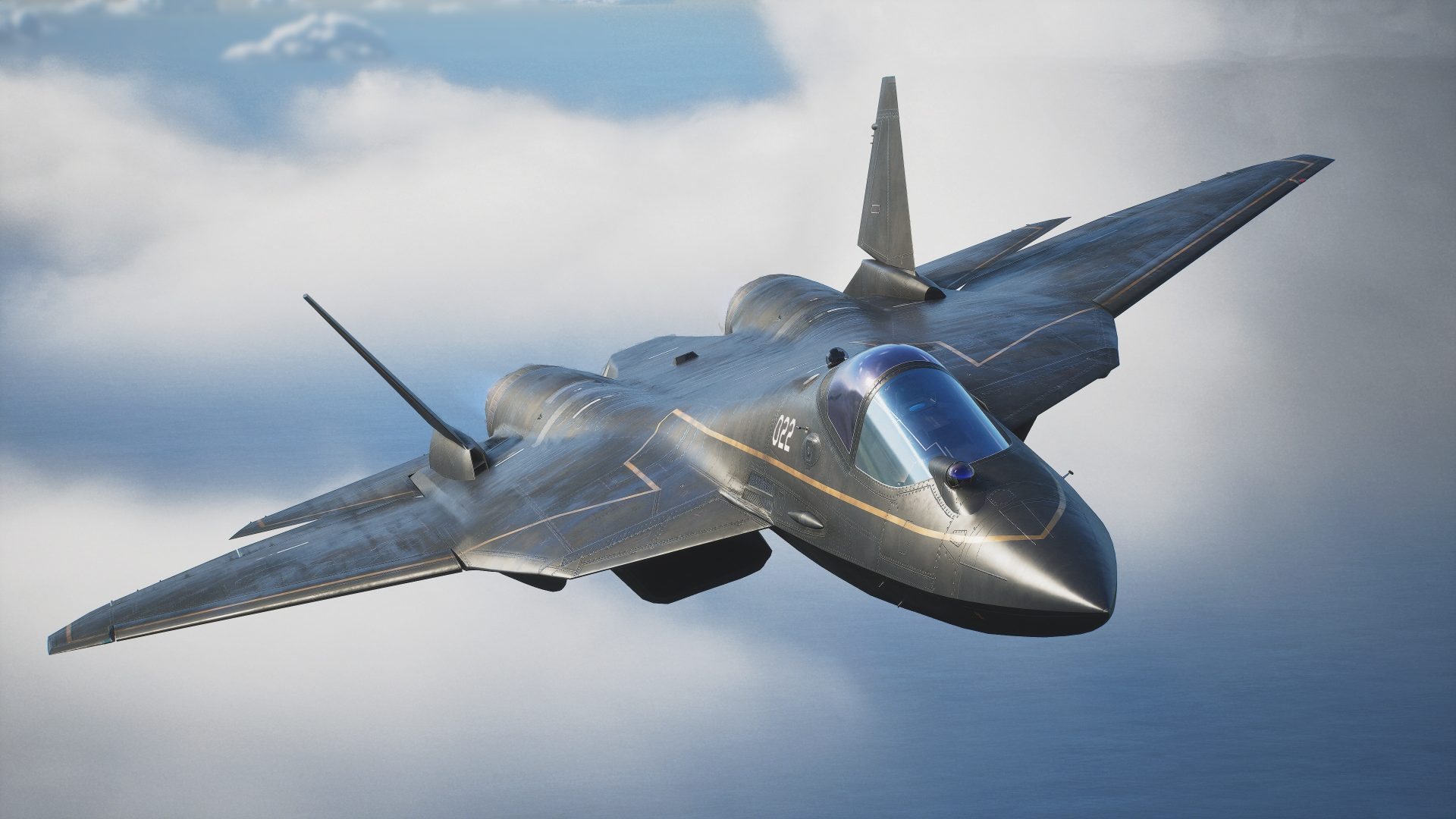
The game’s art direction leans into a darker aesthetic, with skies tinged in hues of orange and gray, reflecting the grim reality of modern conflict. The cockpit interface is sleeker, more responsive, but also more cluttered with strategic overlays that demand attention.
Who It’s For—and Who Might Struggle
This isn’t a game for purists who crave pure, unadulterated dogfighting. The new layers of strategy and narrative weight mean slower-paced missions, where patience is rewarded over reflexes alone. Veterans of the series will find familiar mechanics, but with added complexity that tests both skill and foresight.
Casual players might find the propaganda system overwhelming without guidance, though tutorials are designed to ease the transition. The mentor’s callsign, while adding depth, could also feel gimmicky if not handled carefully—a risk the series has historically avoided.
The Unanswered Questions
Despite its polished presentation, gaps remain. How deeply will the propaganda system integrate with multiplayer? Will the mentor’s callsign evolve dynamically based on player choices, or is it a static narrative device? These are questions the hands-on experience leaves unanswered, leaving room for speculation—or disappointment—when the full game launches.
A Step Forward, But Not Without Risks
Ace Combat 8: Wings of Theve is a bold reimagining of a beloved franchise. It trades raw speed for strategic depth, offering something new without abandoning its roots. Whether this gamble pays off remains to be seen.
The series has always thrived on balancing spectacle with substance. This entry leans further into the latter, which could alienate fans craving the high-octane action of past installments. But for those willing to adapt, it promises a combat experience unlike any before—one where every decision carries weight, and the skies are as much a battlefield of minds as machines.