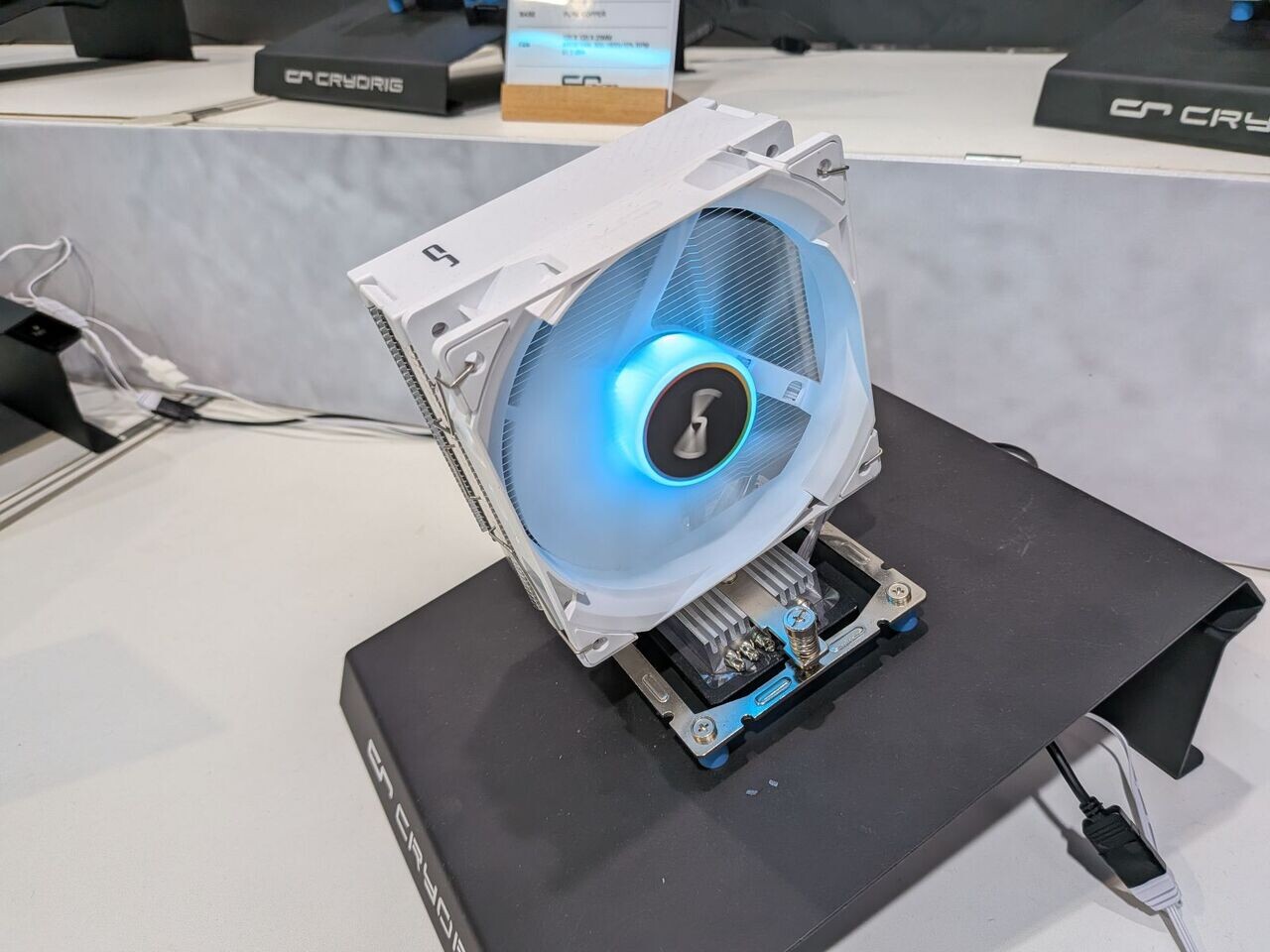
Intel's decision to adopt the LGA 1954 socket for its upcoming Nova Lake platform introduces a new dynamic to CPU upgrade cycles. Unlike previous generations that relied on backward compatibility, this shift forces IT teams to reconsider their hardware refresh strategies, potentially extending the lifespan of existing systems while complicating future upgrades.
Nova Lake is expected to bring several advancements over its predecessors, including improved power efficiency and performance gains. However, the move to LGA 1954 means that motherboards designed for earlier Intel platforms will not support Nova Lake processors without a complete board replacement. This could lead to longer system lifecycles if IT teams opt to upgrade only the CPU rather than the entire motherboard, but it also introduces logistical challenges in inventory management and deployment.
The LGA 1954 socket is designed to accommodate Nova Lake's architecture, which is rumored to feature up to 8 cores with a base clock of 2.0 GHz and a turbo boost clock of up to 3.6 GHz. While these specifications are not yet confirmed, they suggest a platform aimed at balancing performance and efficiency for both desktop and server environments.
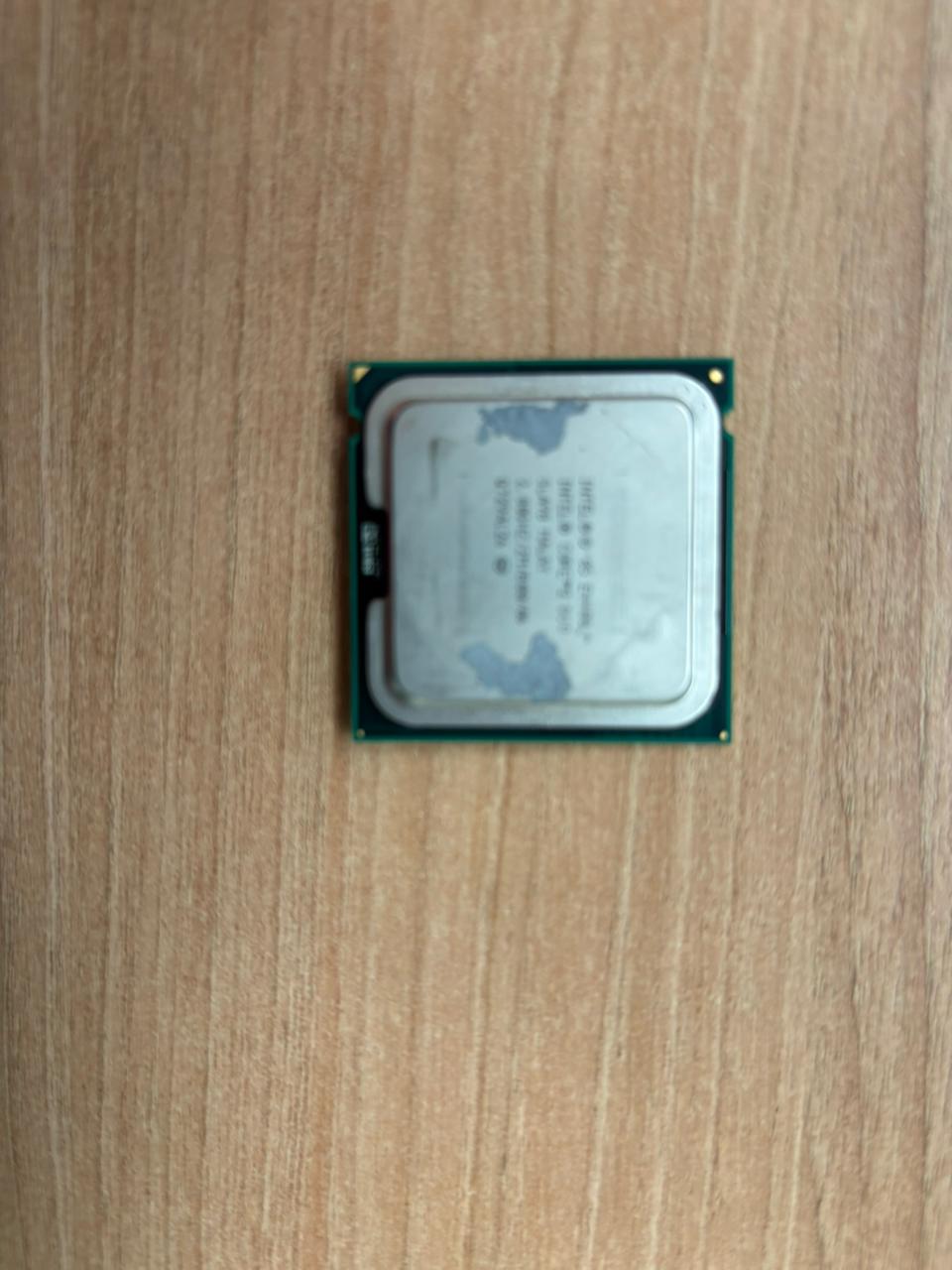
This shift in socket compatibility is part of Intel's broader strategy to modernize its platform ecosystem. By introducing a new socket, Intel can ensure that motherboard manufacturers align with the latest hardware standards, potentially reducing fragmentation in the market. However, it also raises questions about the cost implications for IT teams, as they may need to invest in new motherboards alongside Nova Lake processors.
For IT professionals, the transition to LGA 1954 could mean more careful planning around hardware upgrades. If Nova Lake delivers on its promises of improved performance and efficiency, the platform could become a strong contender for next-generation workloads. But without clear timelines or additional details, the full impact remains uncertain.
Ultimately, Intel's move to LGA 1954 is a strategic decision that aims to future-proof its platform ecosystem while challenging IT teams to adapt their upgrade strategies. Whether this shift will lead to longer system lifecycles or increased costs depends on how quickly the market adopts Nova Lake and the support it receives from motherboard manufacturers.