The iGame Z890M ULTRA Z is not just a motherboard; it’s a statement on how power delivery could evolve. By eliminating traditional 24-pin ATX and dual 8-pin CPU connectors, Colorful has introduced a 50-pin gold-finger connection that requires a specialized PSU but promises a cleaner, more efficient build. This approach consolidates front-panel connectivity into a single rear panel, reducing clutter while maintaining performance. The question is whether this innovation will be embraced by the market or remain a niche experiment.
For those who prefer familiarity, the iGame Z890 ULTRA-S W offers a more conventional design without sacrificing features. It retains the 20+1+1+1 phase VRM but enhances it with heat pipe cooling and airflow channels, all wrapped in an all-white aesthetic. The board supports DDR5 memory at speeds up to 9600 MHz and capacities of 256 GB, catering to both gaming and AI workloads where high-speed memory is essential.
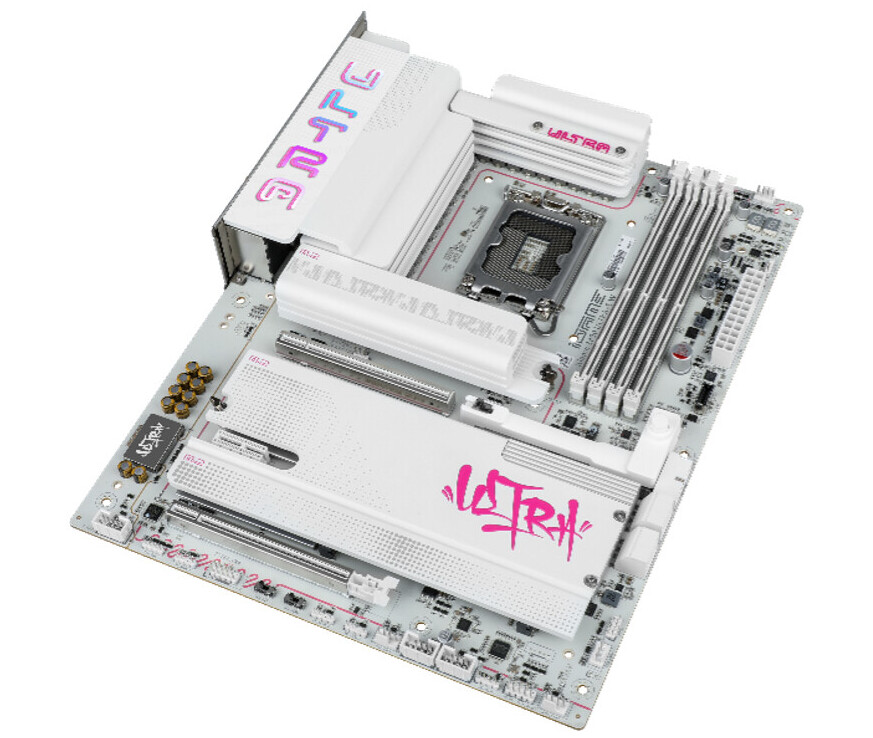
- iGame Z890M ULTRA Z (Zero-Cable):
- 50-pin gold-finger power connector (replaces 24-pin ATX + 8+8-pin CPU connectors)
- 14+1+1+1 phase, 60 A DrMOS VRM for high current demands
- DDR5 support up to 9600 MHz, 48 GB per slot (total 192 GB)
- Four M.2 slots (PCIe 5.0 x4 on primary), four SATA ports
- Six USB Type-A, two USB Type-C (rear panel)
- WiFi 7 and 2.5G Ethernet built-in
- Hip-Hop Rhythm armor design for aesthetic appeal
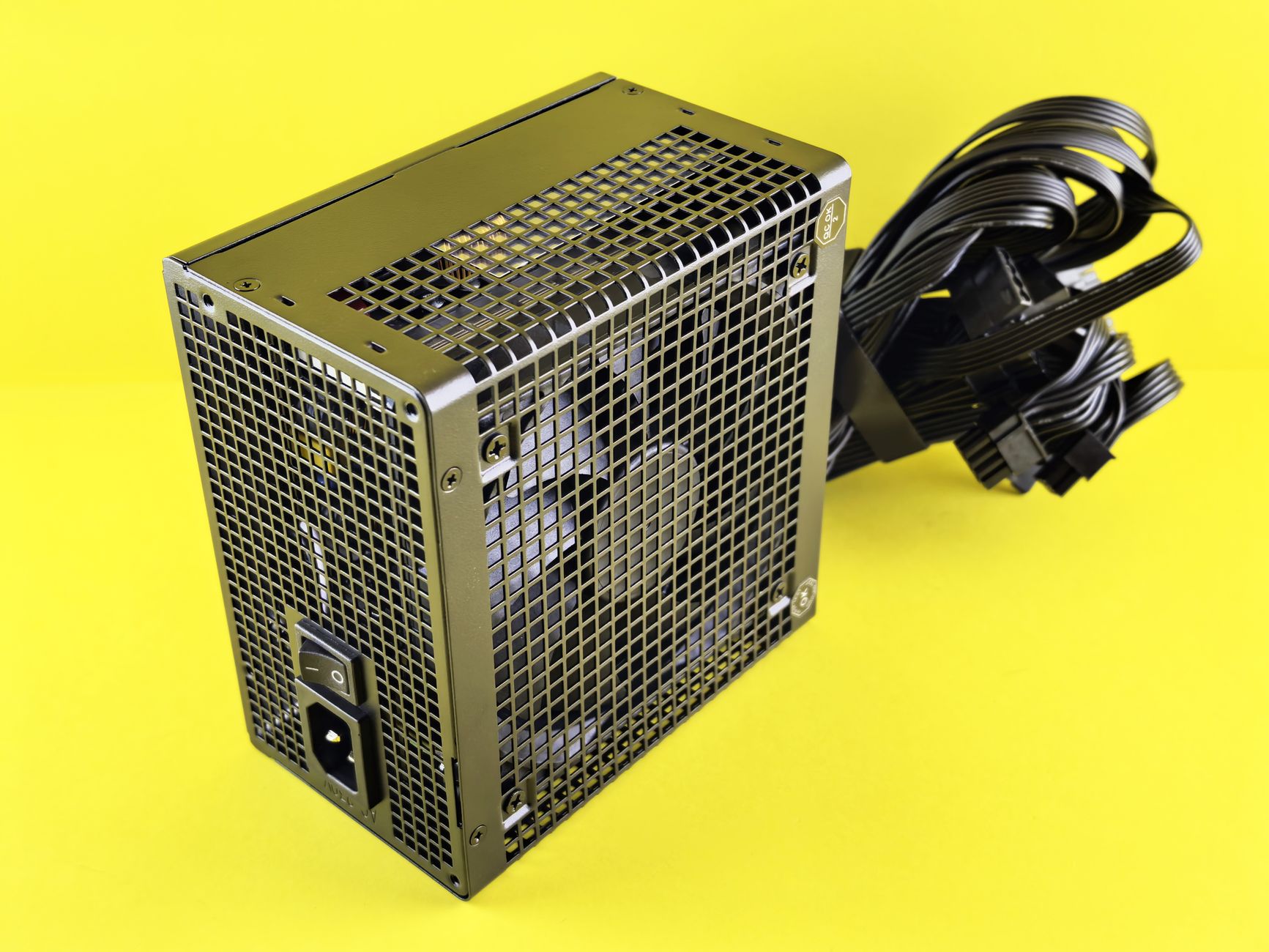
The zero-cable approach is not without challenges. It demands a PSU specifically designed for the gold-finger connection, which could limit immediate compatibility. However, if this concept gains traction, it may set a new standard for power delivery in motherboards and PSUs alike.
Meanwhile, the ULTRA-S W targets a broader audience with its white-themed design and user-friendly features like easier GPU and M.2 heatsink installation. It also includes a customizable ARGB nameplate, adding to its versatility without compromising on performance.
Both boards are now available, but pricing details have not been released. The success of the zero-cable design will depend on whether it becomes a practical solution or remains an enthusiast-only feature. For now, it represents a bold step forward in motherboard innovation, one that could redefine how systems are built in the future.