Google’s Tensor chips can handle the computational load of liquid glass interfaces, but the company has chosen a different path—one that prioritizes battery life and real-world usability over visual fluidity.



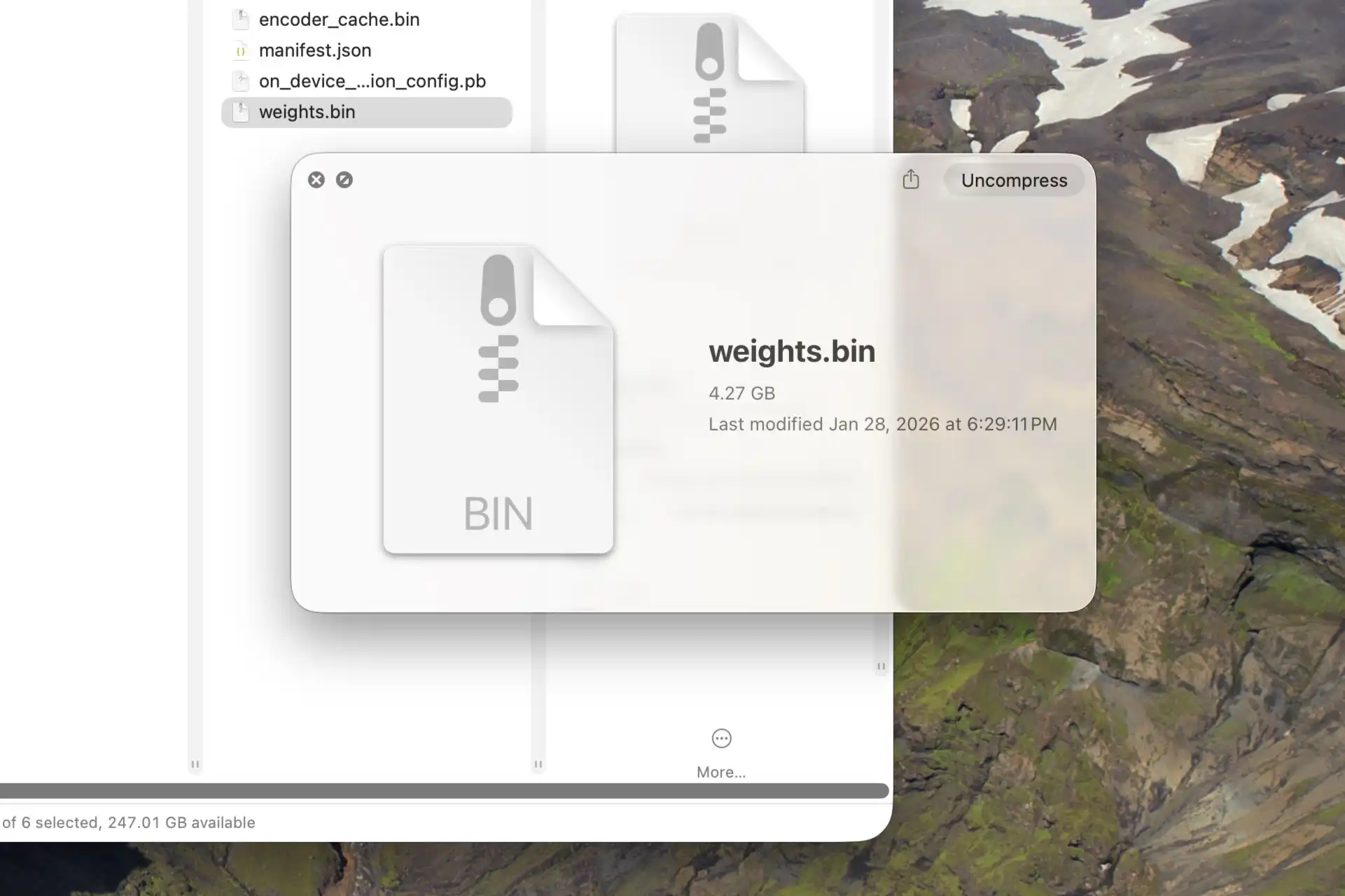
A new Chrome update silently installs a 4GB AI model, raising questions about its purpose and impact on device perf...

A strategic shift in ownership and a new partnership with Google DeepMind positions EVE Online for long-term evolut...
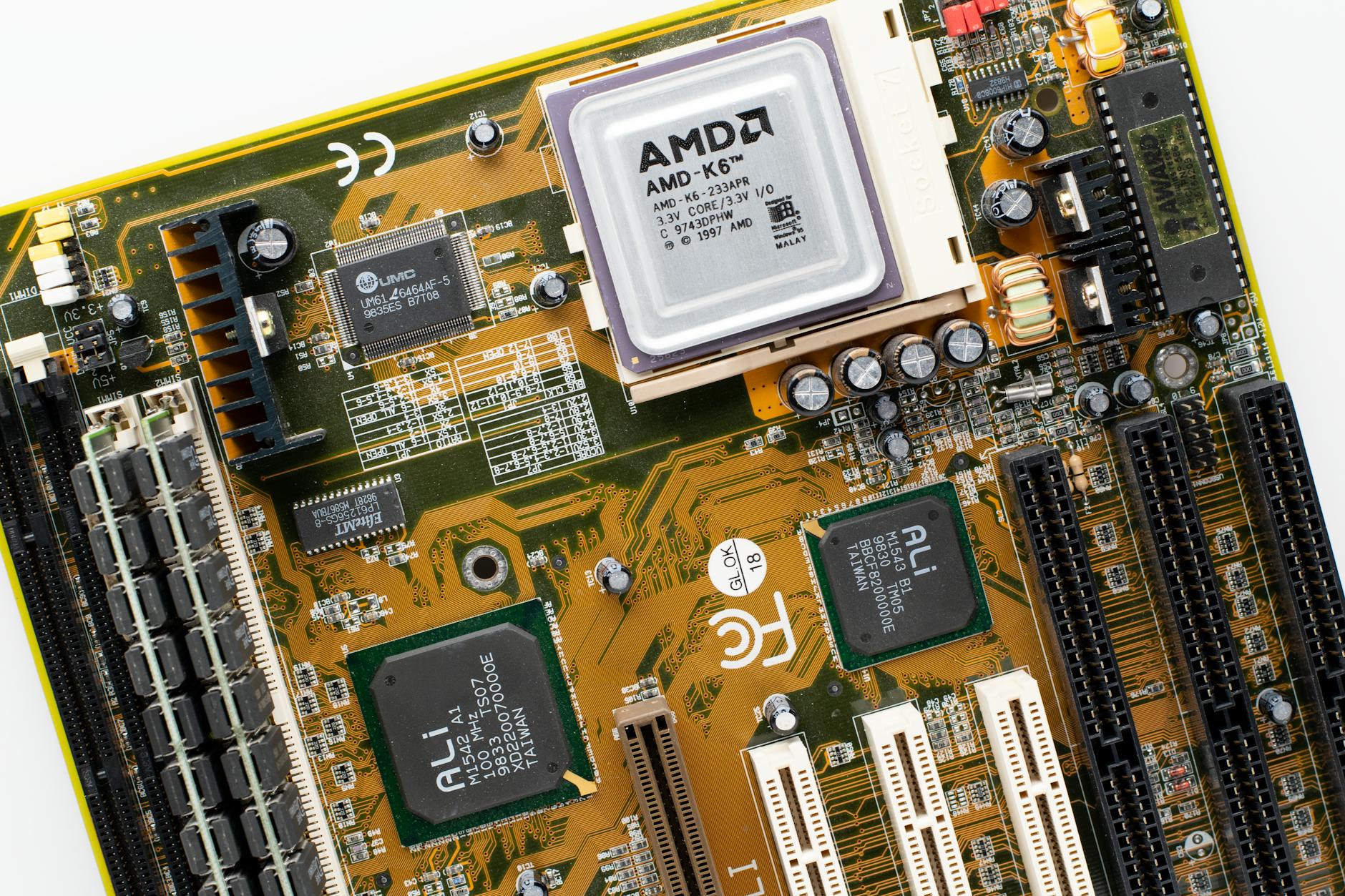
AMD is set to introduce specialized EPYC processors tailored for AI, high-performance computing (HPC), and cloud wo...
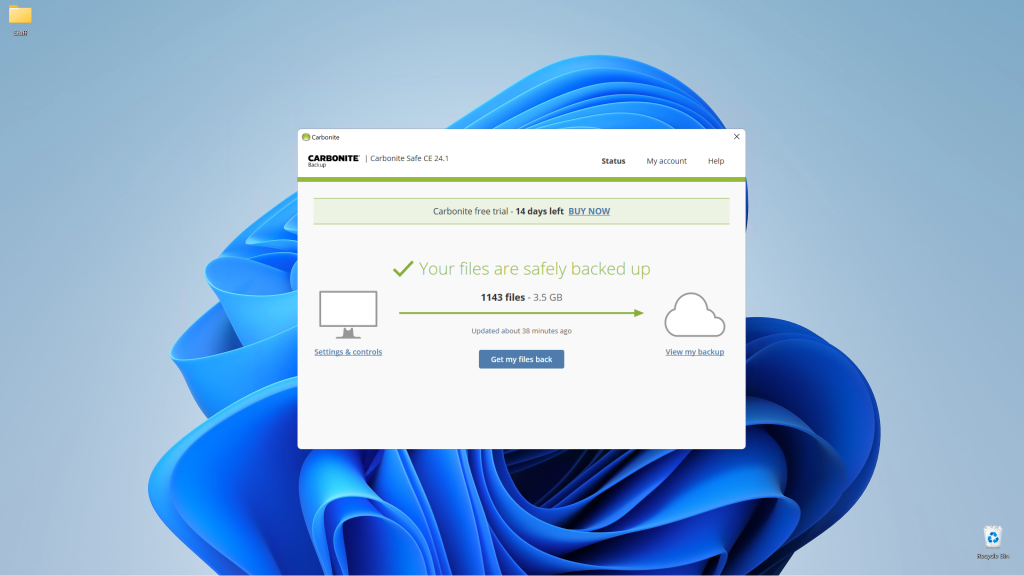
Carbonite’s backup service offers unlimited cloud storage at a flat rate, emphasizing ease of use over advanced fea...

A major overhaul of a beloved classic is underway, alongside an unexpected new entry in the series. What’s confirme...
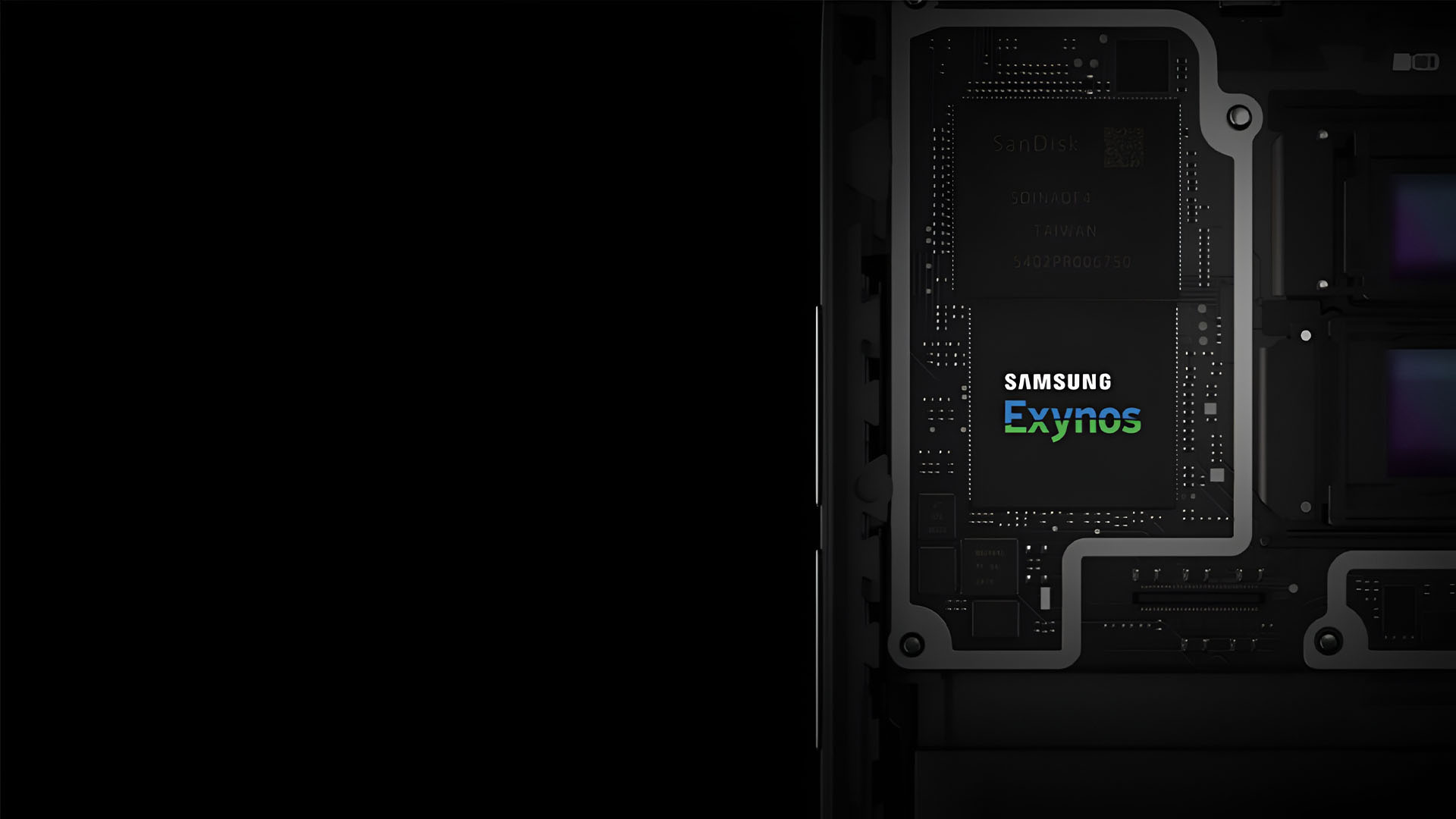
Samsung's latest Exynos chipset, tested on a cutting-edge 1.4nm process, promises significant improvements in perfo...
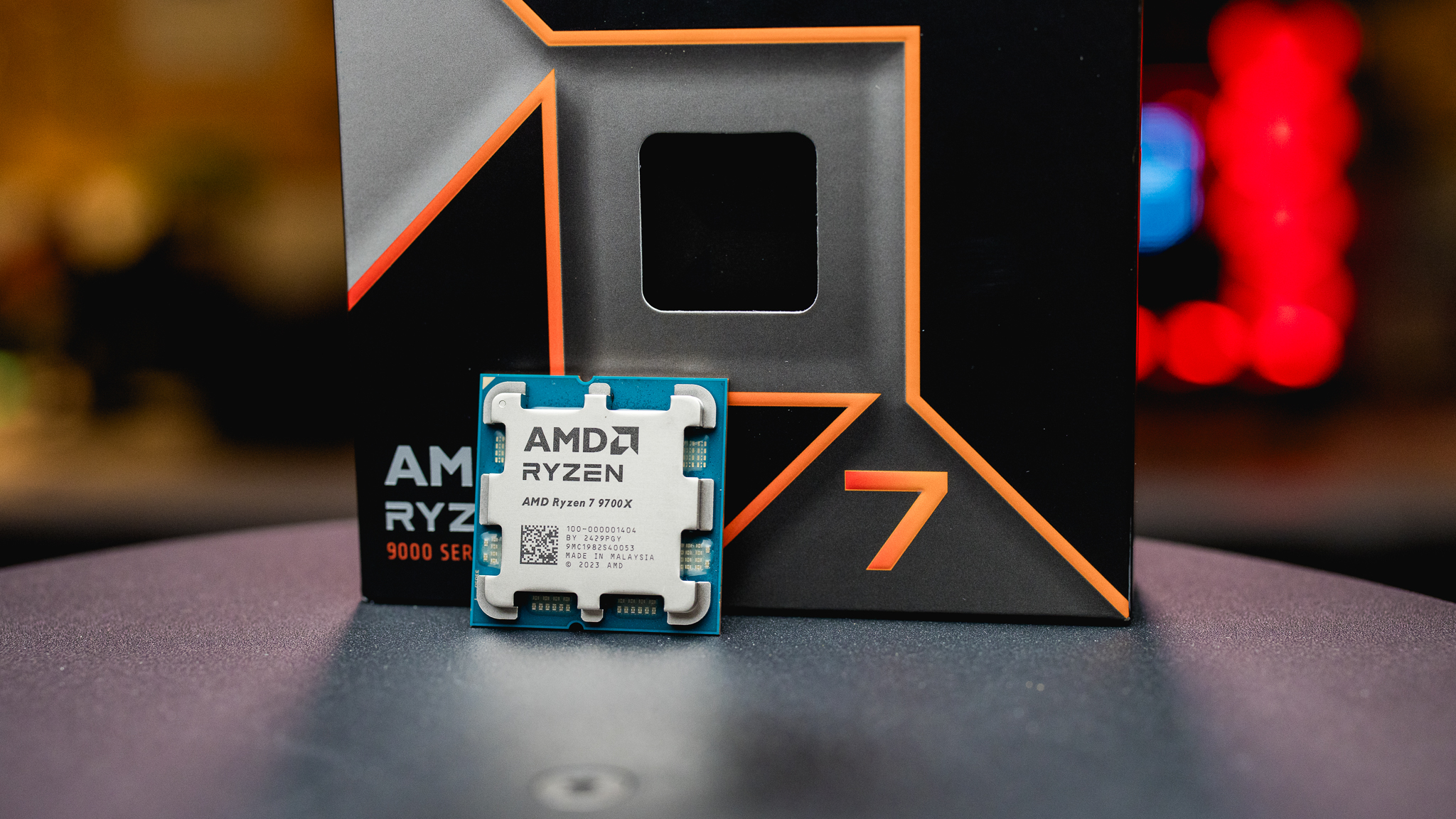
A shift in availability and pricing has made tray CPUs a more attractive option than boxed units, but buyers must w...
A new update to Chrome introduces a 4GB Gemini model without user consent, raising questions about data usage and p...
Apple has significantly increased production capacity for its MacBook Neo lineup, targeting an annual output of 10...
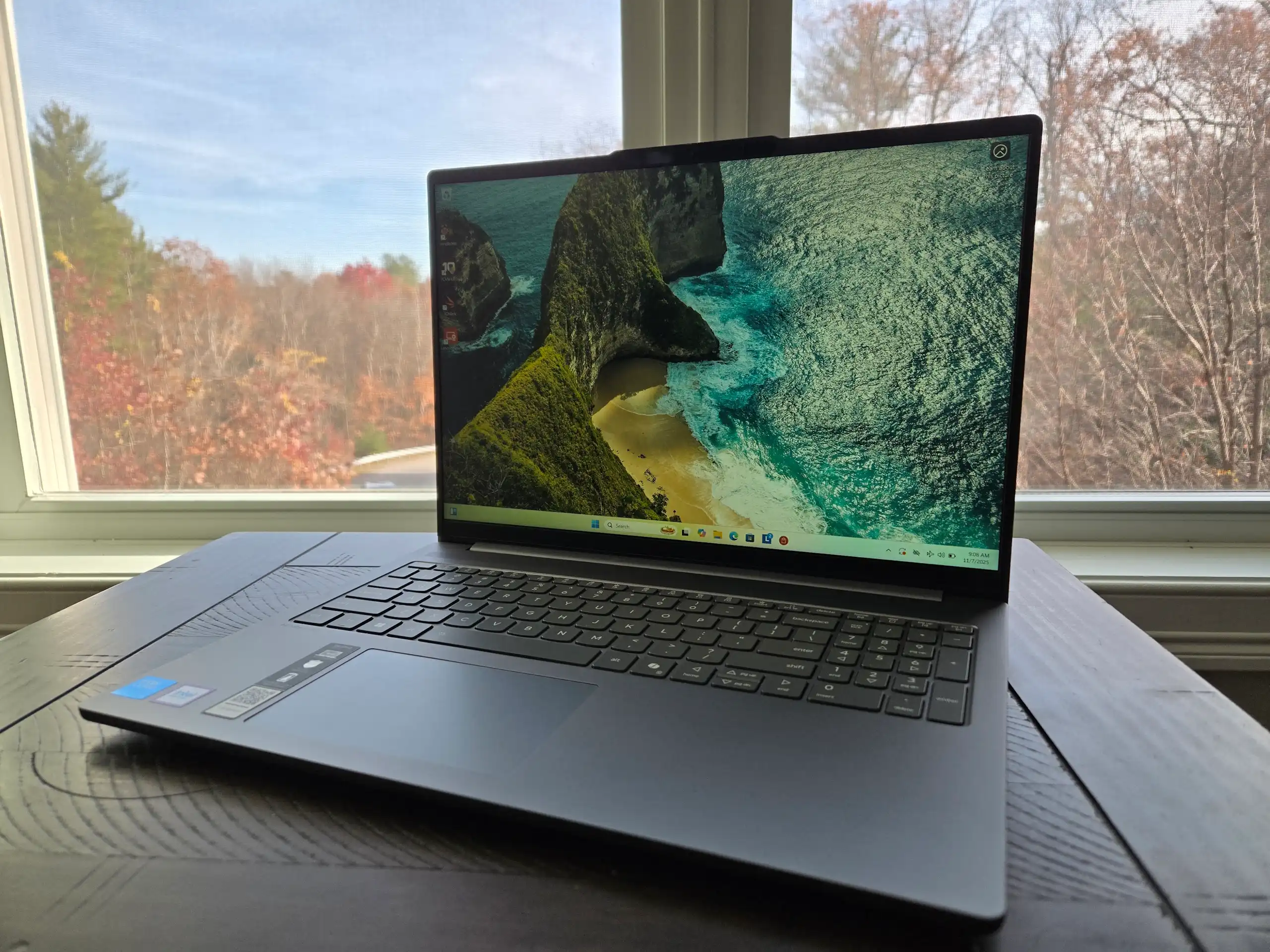
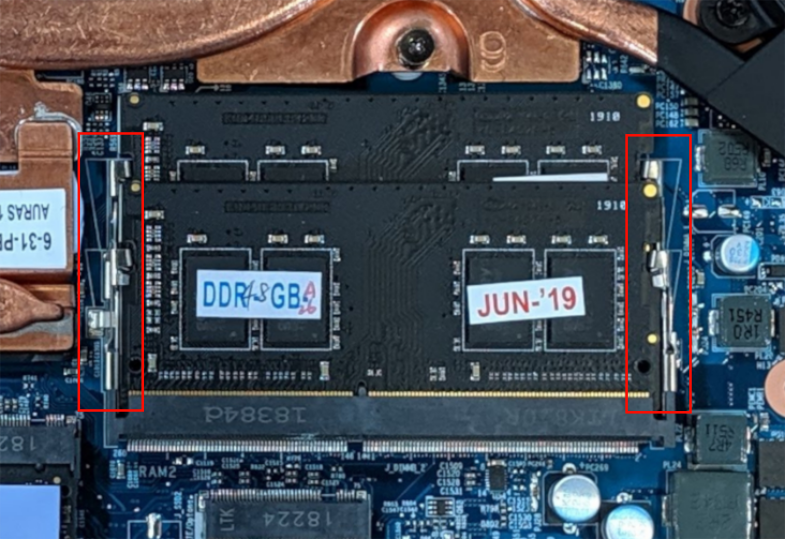
With up to 64 GB of LPDDR5X RAM, a 2 TB NVMe SSD, and an 11th-gen Intel Core Ultra processor, the ThinkPad X1 Carbo...