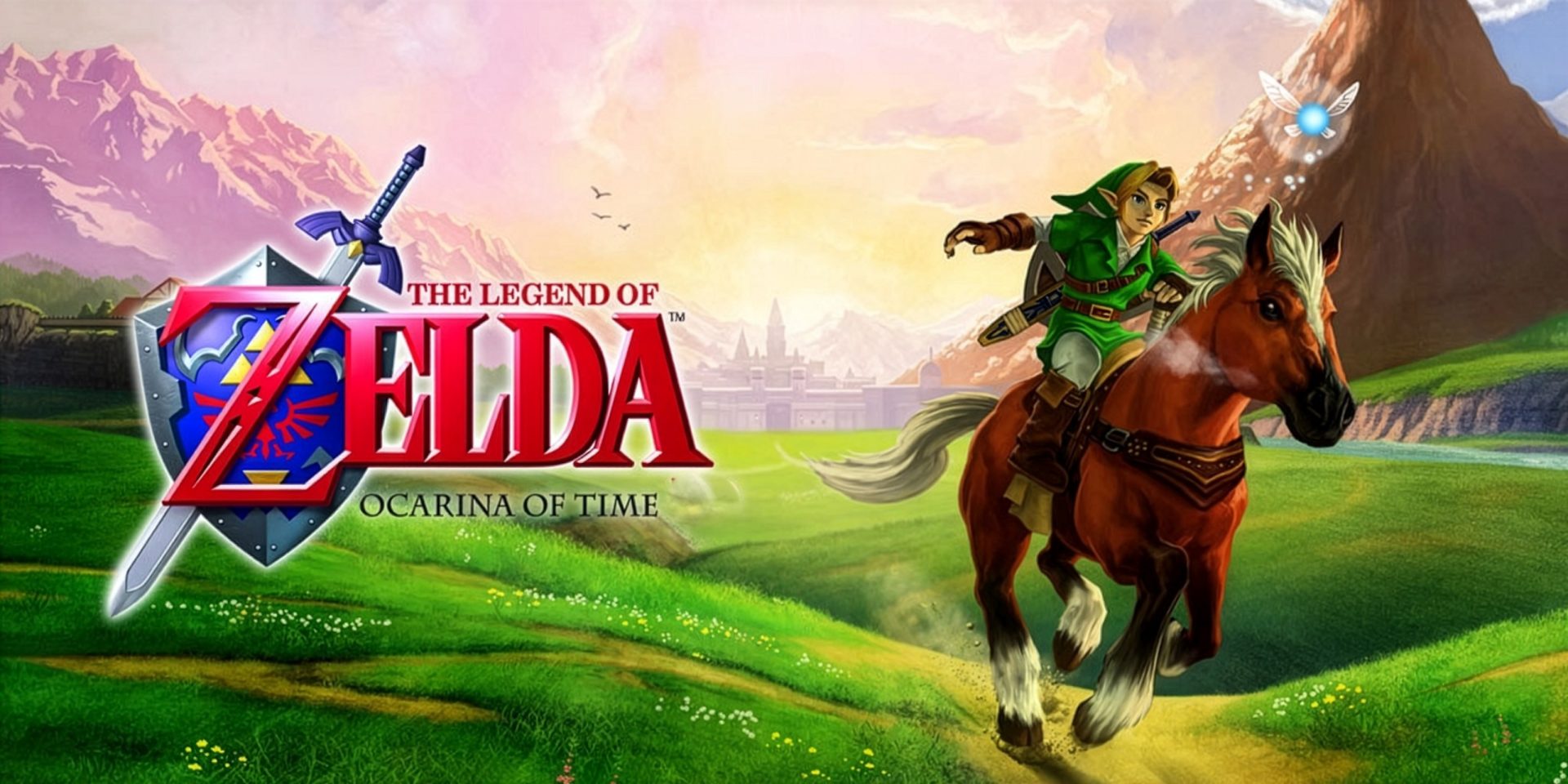
Nintendo is preparing two significant projects for its Zelda franchise: a full remake of Ocarina of Time, built from the ground up, and an entirely new 2D game marking the series’ 40th anniversary. While details remain scarce, industry speculation suggests these efforts could reshape how players experience the franchise—both in terms of technical ambition and creative direction.
The remake is said to be a complete rebuild, not just a port or enhancement. This means no pre-existing assets; everything from environments to mechanics will be reimagined with modern hardware in mind. At the same time, the 2D game promises to return to the series’ roots while pushing forward with fresh gameplay innovations.
Why It Matters Now
A remake of Ocarina of Time would be a landmark effort, given its status as one of Nintendo’s most influential titles. If executed well, it could set a new benchmark for what a next-gen Zelda experience should look like—especially in how it handles camera mechanics, physics, and environmental interaction. However, the risks are clear: compatibility with current hardware is unconfirmed, and whether the remake will fully leverage modern advancements remains an open question.
Meanwhile, the 2D game adds another layer of intrigue. While 2D Zelda titles have historically been smaller in scope, this project appears to be more ambitious—possibly blending classic design with new mechanics to appeal to both longtime fans and newcomers. The challenge will be balancing nostalgia with innovation without alienating players who grew up with the original series.
What’s Still Unknown
Key details about release windows, hardware requirements, or even whether these projects are part of a larger anniversary blitz remain unconfirmed. There’s no word on whether the remake will be exclusive to a specific platform (e.g., Switch successor) or if it might appear on multiple systems. Similarly, the 2D game’s scope—whether it’s a standalone title or a companion experience—is still up in the air.
For power users, the bigger question is compatibility. Will these projects require new hardware, or can they run on existing systems? If Nintendo leans toward exclusivity with future hardware, players may face a tough choice between legacy and cutting-edge experiences. The stakes are high: missing out on a remake could feel like skipping a generational upgrade.
One thing is certain: if both projects materialize as rumored, they’ll demand serious attention from the Zelda community. But without concrete confirmation, the real challenge will be separating hype from reality—and ensuring that Nintendo doesn’t overpromise while underdelivering on execution.