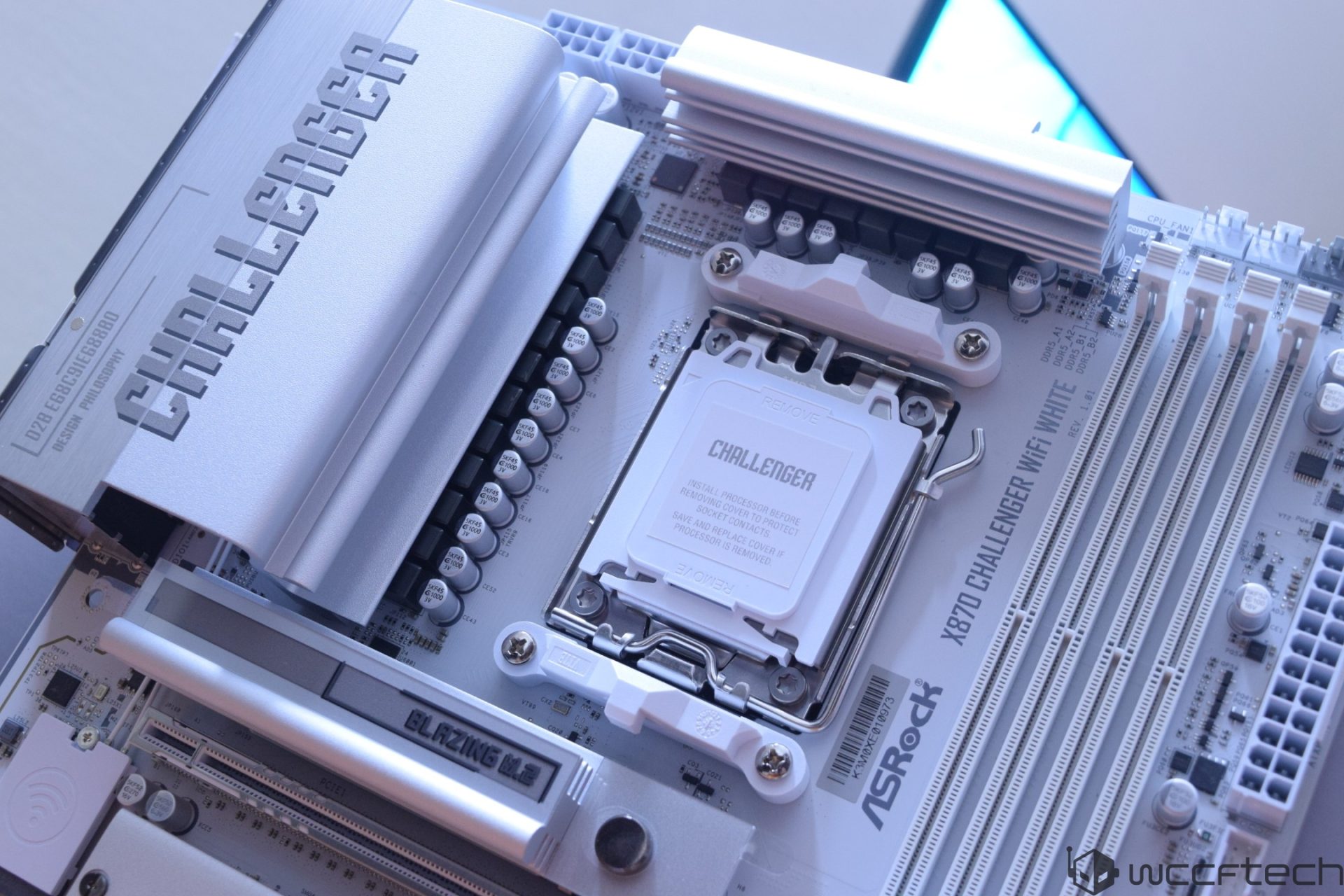
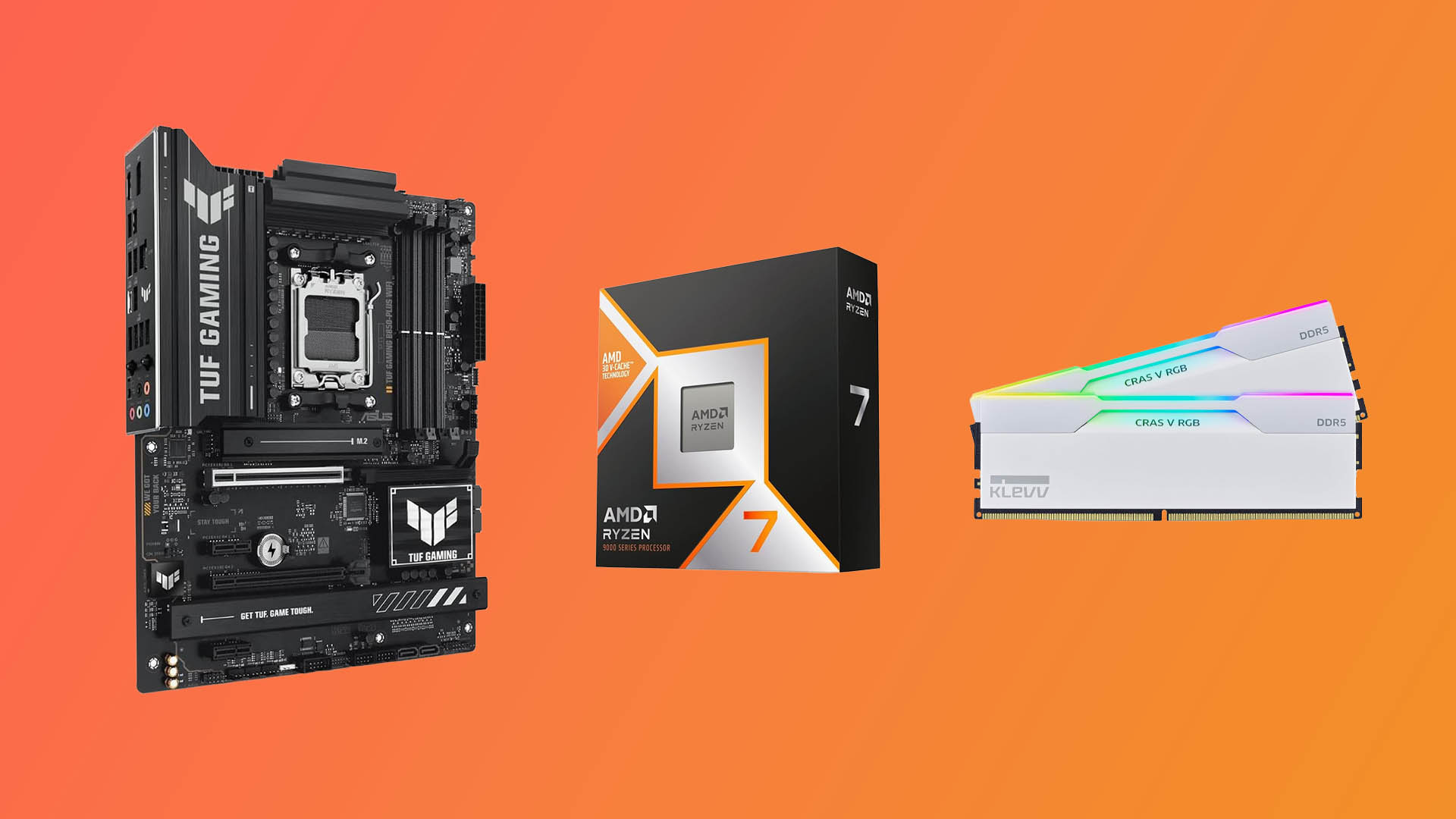
The next generation of AMD’s desktop platform is poised to deliver more than just incremental upgrades. The X970E chipset, built on the same Promontory 21 silicon as its predecessor, will introduce native support for CUDIMMs and DDR5 CAMMs—features that could push memory speeds into territory previously dominated by Intel.
This shift is part of a broader rethinking of how AMD handles memory and I/O in its Ryzen processors. The company’s new client I/O die, likely built on a 4 nm process, will feature DDR5 memory controllers capable of higher clock speeds and tighter timings. Combined with the X970E’s readiness for CUDIMMs and CAMMs, this could mark AMD’s attempt to close the gap in DDR5 performance against Intel.
Key Specs
- Memory Support: Native support for CUDIMMs and DDR5 CAMMs, enabling higher memory speeds and tighter timings.
- DDR5 Standards: Compatibility with the upcoming EXPO 1.2 standard for overclocking DDR5 modules.
- Chipset Silicon: Built on Promontory 21 silicon designed by ASMedia, shared with the X870E and X670E chipsets.
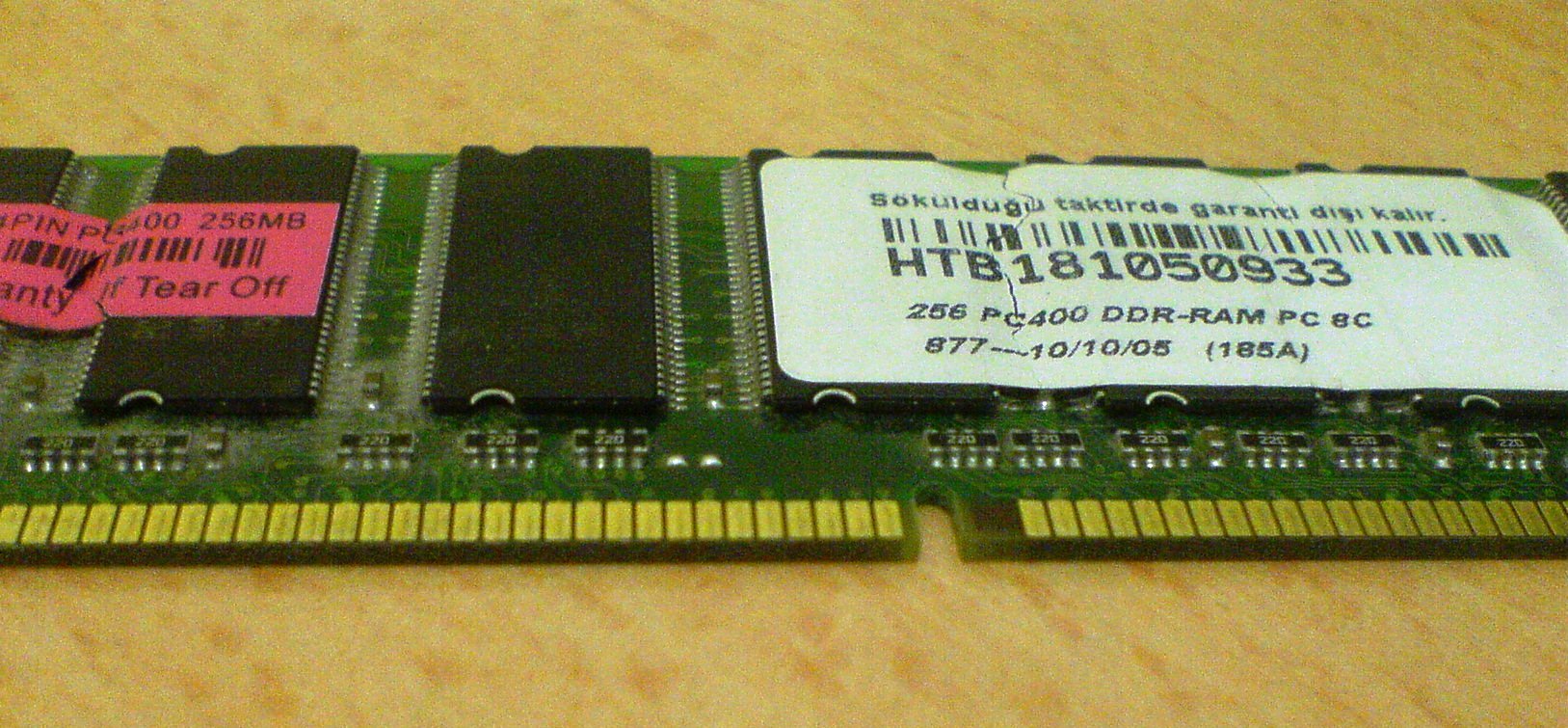
The introduction of CUDIMMs and CAMMs is not just about raw speed—it’s a strategic move to future-proof AMD’s platform. These modules allow for greater flexibility in memory configurations, potentially reducing bottlenecks in high-performance systems. However, the real-world impact remains to be seen, as adoption will depend on both hardware availability and software optimization.
Industry Implications
AMD’s push into higher DDR5 speeds aligns with broader industry trends, where memory performance is becoming a critical factor in system design. The X970E chipset’s support for CUDIMMs could also influence how PC builders approach memory selection, particularly for workloads that benefit from increased bandwidth.
At the same time, the shift to 4 nm for the client I/O die reflects AMD’s ongoing focus on efficiency and performance. While this is a step forward, the company will need to balance power consumption with thermal constraints, especially as TDP values for high-end GPUs like the RTX 5090 and RX 9070 XT continue to rise.
For now, the X970E chipset represents a significant evolution in AMD’s platform strategy. Whether it delivers on its promise of higher memory speeds and broader compatibility remains an open question—but one that could reshape how PC builders approach system design in the years ahead.