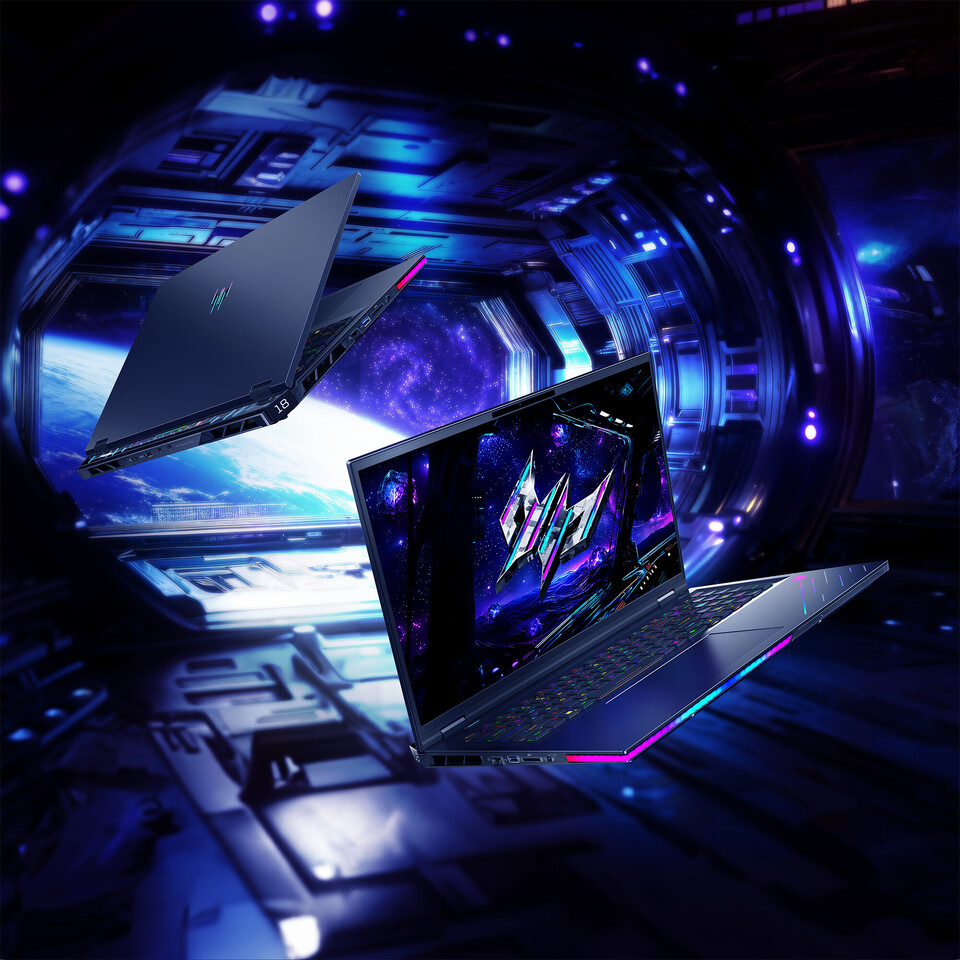
The Global Developers Conference (GDC) held in Canada has introduced a new platform that promises to reshape the landscape of game development. Dubbed 'XP Gaming,' this initiative is designed to provide developers with a more cohesive and efficient ecosystem, integrating hardware, software, and industry collaboration into a single framework.
At the heart of XP Gaming is a focus on platform compatibility and adoption. The platform is built to support a wide range of development tools and workflows, allowing developers to seamlessly transition between different stages of game creation. This includes everything from initial concept design to final deployment, with an emphasis on reducing friction in the process.
A New Era for Game Development
XP Gaming introduces several key features that aim to address some of the longstanding challenges in the industry. One notable aspect is its ability to integrate multiple development environments under a unified interface. This means developers can work on their projects without being constrained by the limitations of individual tools or platforms.
The platform also offers enhanced support for cross-platform development, allowing games to be built and tested across various hardware configurations with minimal effort. This includes support for both traditional and emerging architectures, such as those based on next-generation GPUs and CPUs. Specifics around these capabilities are still being finalized, but the goal is clear: to provide developers with a more flexible and adaptable toolset.
Strengths and Considerations
While XP Gaming presents a compelling vision for the future of game development, there are still several aspects that require closer examination. One area of focus is the platform's compatibility with existing development tools and workflows. Ensuring smooth integration with third-party software will be crucial for its adoption, particularly among established studios with deeply ingrained processes.
Another consideration is the balance between innovation and usability. The platform's promise of seamless transitions between development stages is significant, but its success will depend on how well it addresses the practical needs of developers. For example, the ability to test games across multiple hardware configurations is a powerful feature, but it must be paired with robust debugging tools and performance optimization capabilities.
Looking ahead, XP Gaming represents more than just a technological advancement; it signifies a shift in how the game development industry approaches collaboration and innovation. By providing a unified platform that bridges the gap between hardware, software, and industry partners, XP Gaming aims to set a new standard for efficiency and creativity in game creation.
The initiative is still in its early stages, with many details yet to be confirmed. However, the potential impact on the industry is undeniable. As developers begin to explore the platform's capabilities, it will be interesting to see how it evolves and whether it can live up to its ambitious goals.