Acer's latest Predator and Nitro monitor lineup signals a shift in how gaming displays are built, focusing on both immediate performance gains and long-term future-proofing. The new models aim to address the growing demand for smoother, more responsive visuals while also pushing the boundaries of what's possible with 3D immersion and high refresh rates.
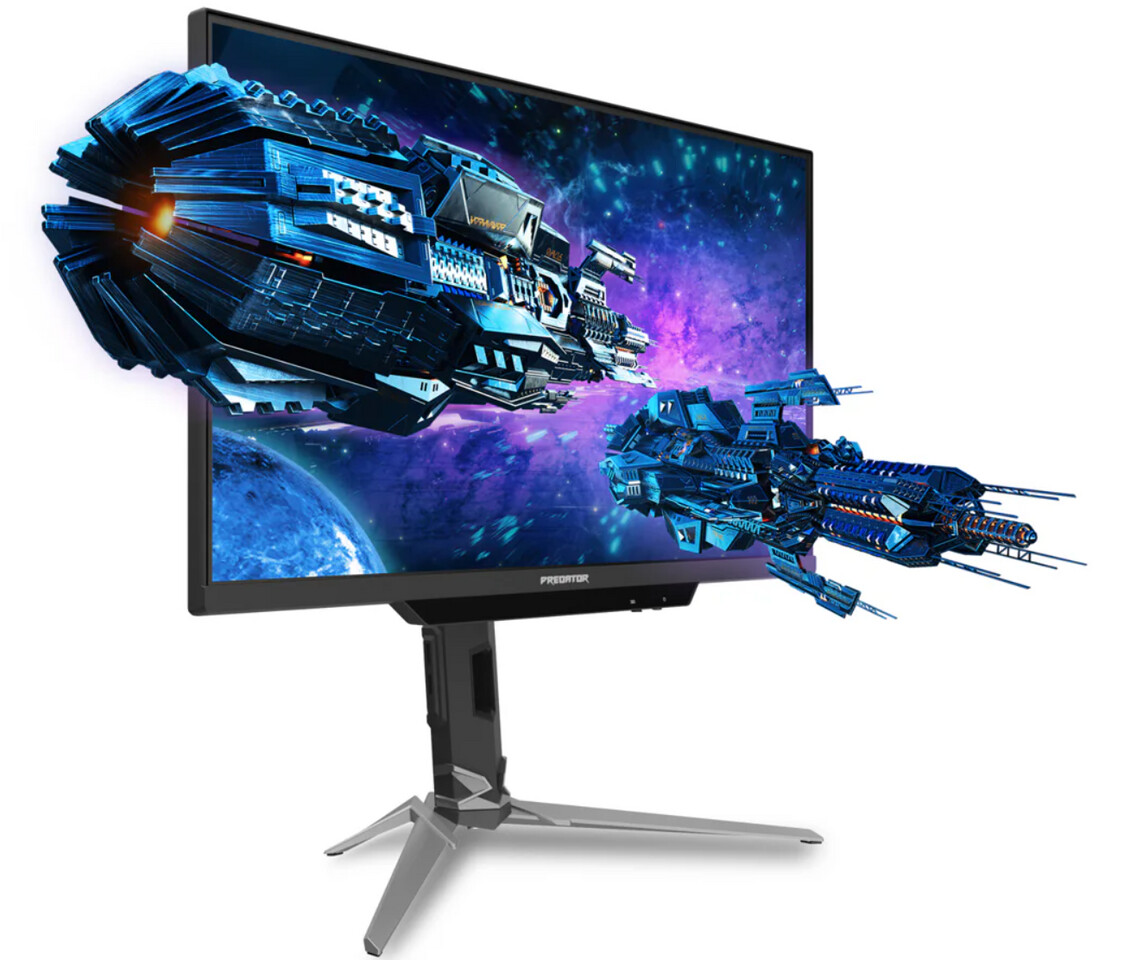
The Predator XB273K 3D stands out as a pioneering choice for gamers looking to dive deeper into their gaming sessions. This 27-inch monitor introduces 3D eye-tracking technology, which works in tandem with an onboard local AI model to transform standard 2D content into immersive 3D visuals. This feature is designed to enhance depth and realism without requiring native 3D content, making it accessible for a wider range of games. The display also supports up to 180 Hz refresh rate, ensuring fluid gameplay even in fast-paced titles.
Complementing the Predator XB273K is the Predator X34 F1, a 34-inch monitor tailored for competitive esports players. It features a WQHD (3440×1440) QD-OLED panel, delivering exceptional contrast and color accuracy with DCI-P3 coverage reaching 99%. The monitor boasts an ultra-fast 360 Hz refresh rate and a 0.03 ms (GTG) response time, catering to the needs of professional gamers who demand the fastest possible visual feedback. Both models are equipped with tear-free technology, supporting AMD FreeSync Premium Pro and being NVIDIA G-SYNC Compatible.
Key Specifications
- Predator XB273K 3D:
- 27-inch display with 180 Hz refresh rate
- 3D eye-tracking technology and onboard local AI model for immersive 3D visuals
- 4K UHD resolution with AMD FreeSync Premium and NVIDIA G-SYNC Compatibility
- SpatialLabs 3D Hub app for adjusting settings and accessing native 3D games
- Predator X34 F1:
- 34-inch display with WQHD (3440×1440) QD-OLED panel
- 360 Hz refresh rate and 0.03 ms (GTG) response time
- DCI-P3 color accuracy at 99%
- AMD FreeSync Premium Pro and NVIDIA G-SYNC Compatibility for tear-free performance
The introduction of these monitors reflects a broader trend in the gaming display market, where manufacturers are increasingly integrating advanced features like AI-driven enhancements and ultra-high refresh rates. For small businesses or individuals looking to invest in future-proof equipment, these monitors offer a compelling blend of immediate performance benefits and long-term adaptability.
Implications for the Market
The new Acer monitors are likely to influence the competitive landscape, particularly for gamers who prioritize responsiveness and visual fidelity. The 360 Hz refresh rate on the Predator X34 F1, in particular, is a notable advancement that could set a new benchmark for esports-focused displays. However, the practical benefits of features like 3D eye-tracking remain to be fully realized, as they depend heavily on game developer support and user adaptation.
For businesses considering these monitors, the trade-off between cutting-edge technology and cost will be a key factor. While the specifications are impressive, the real-world impact on gaming performance and user experience will need careful evaluation before widespread adoption can be expected. The standardization of tear-free technology across both lines also underscores Acer's commitment to addressing common pain points in competitive gaming.
What's Confirmed and What's Unknown
The new monitors bring several confirmed advancements, including high refresh rates, advanced color accuracy, and compatibility with leading adaptive sync technologies. However, the long-term success of features like 3D eye-tracking and AI-driven content transformation will depend on developer support and user engagement. Pricing details have not been disclosed, leaving one of the most critical factors for potential buyers unconfirmed.
As the gaming display market continues to evolve, Acer's latest offerings provide a snapshot of where the industry is headed—toward more immersive, responsive, and intelligent visual experiences. Whether these features will translate into tangible improvements for everyday gamers remains an open question, but they certainly represent a significant step forward in pushing the boundaries of what gaming monitors can achieve.