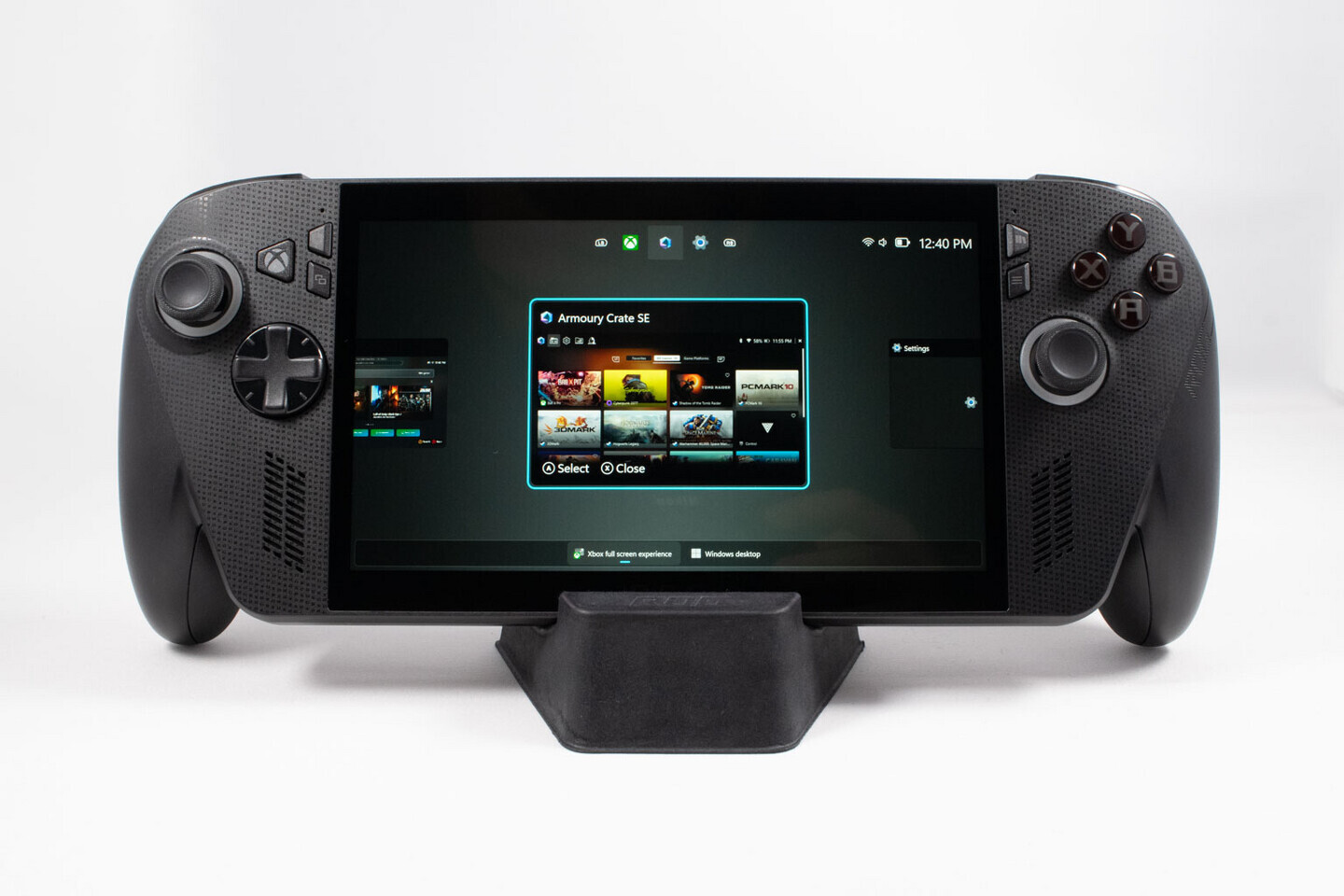
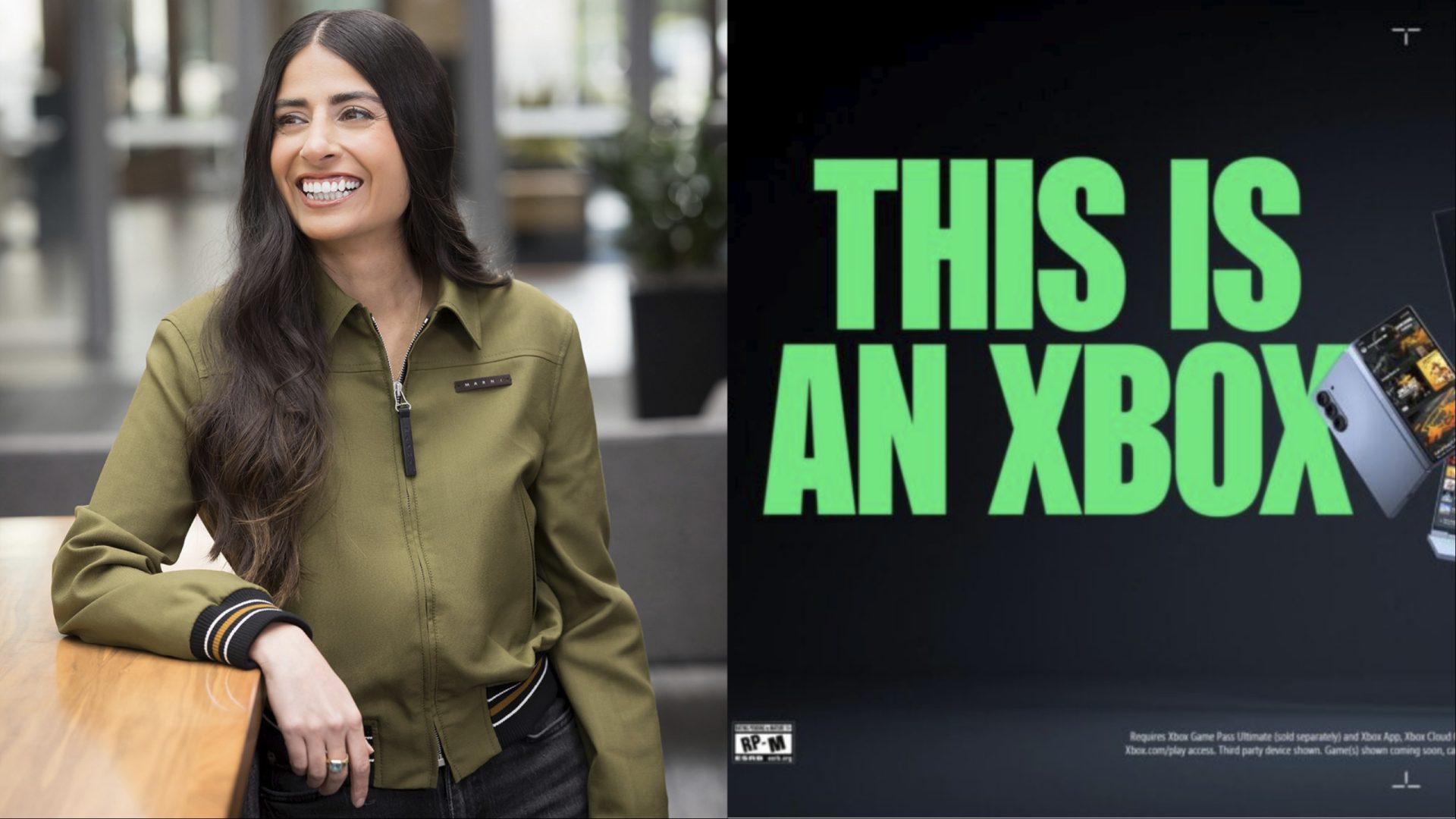
Xbox’s identity is undergoing a quiet transformation. The end of the 'This is an Xbox' campaign marks more than just a change in branding—it represents a fundamental rethinking of how Microsoft positions its gaming platform. No longer content to rely on a single catchphrase, Xbox is now doubling down on tangible advancements in hardware and software, aiming to redefine what it means to be a next-generation console.
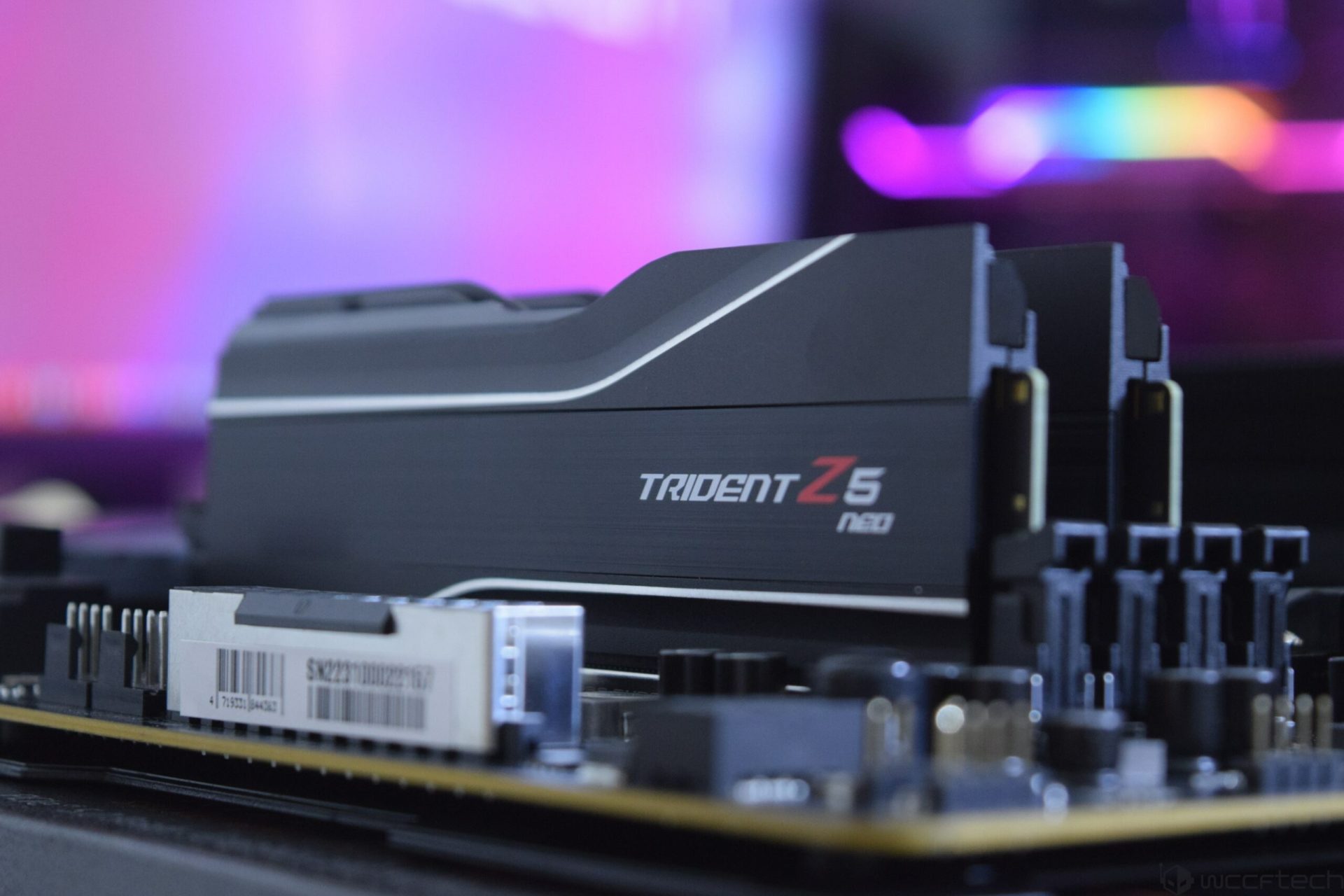
This shift comes at a time when Xbox’s technical capabilities are evolving rapidly. The latest consoles have introduced significant upgrades, such as 16 GB of GDDR6 RAM, which enhance performance in areas like game load times and multitasking. However, these improvements come with challenges, including higher development costs and the need for developers to adapt their workflows to leverage new features effectively.
A Focus on Engineering Over Slogans
The discontinuation of 'This is an Xbox' suggests a deliberate move away from relying on marketing messaging alone. Instead, Xbox appears to be betting on its engineering prowess to shape its identity in the market. This approach could lead to more seamless user experiences, but it also raises questions about whether these changes will translate into noticeable benefits for gamers.
For enthusiasts and developers, this shift is likely to bring significant advantages, particularly in high-end graphics and complex simulations. Casual gamers may see incremental improvements in system responsiveness, though the full impact remains uncertain without clear benchmarks or public roadmaps.
The Road Ahead
- Xbox’s future will likely focus on measurable progress in performance and software optimization.
- Developers will need to adapt to new hardware features, potentially increasing costs for next-gen systems.
- Whether this strategy resonates with gamers depends on how quickly these improvements become evident in real-world use.
The end of 'This is an Xbox' doesn’t mean the campaign was ineffective—it simply signals a pivot toward a more technical-driven identity. Microsoft’s ability to execute this vision will determine whether it can solidify its place as a leader in gaming innovation. One thing is clear: Xbox’s roadmap is changing, and the next chapter will be less about slogans and more about delivering tangible progress.