Developers describe the past few weeks as a whirlwind of sleepless nights and exhilarating chaos. The Steam wishlist milestone wasn’t just a metric—it was a wake-up call. With each new day, the pressure to deliver a game that matches the hype mounted. The team, a small collective of indie veterans, found themselves in an unusual position: they had built something players wanted*, but scaling that vision without losing its soul became their greatest challenge.
The game’s survival mechanics are designed to be unforgiving yet rewarding. Players must scavenge for food, repair tools, and navigate storms while managing crew morale—all while fending off rival factions or trading with NPCs. The co-op element isn’t just an afterthought; it’s the backbone. A single player can survive, but a crew thrives. The demo’s limitations—no multiplayer, a smaller map—only fueled speculation about the full experience. Would the open world feel as vast as promised? Would the ship combat live up to the hype? The answers would have to wait.
Yet the most pressing question loomed over everything: release readiness. Windrose isn’t just another co-op title. It’s a living ecosystem where every player’s actions ripple across the world. Servers need to handle simultaneous voyages without lag. Crew interactions must feel dynamic, not scripted. And the open world—spanning islands, shipwrecks, and hidden coves—demands a level of polish that few indies attempt. The team’s roadmap now includes stress-testing multiplayer, refining AI-driven NPCs, and ensuring the survival systems don’t collapse under player demand.
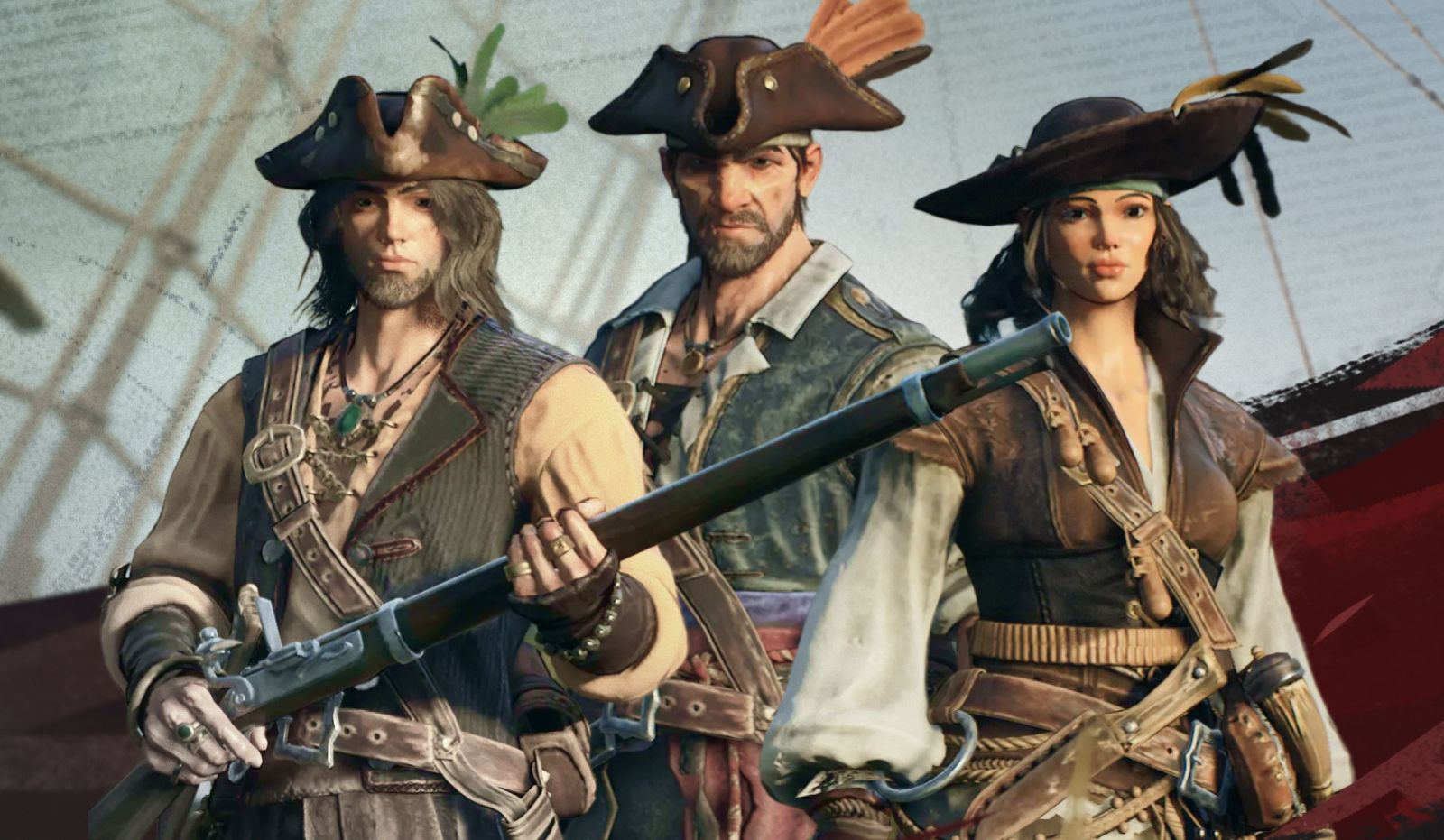
Who benefits most from this? The answer is clear: players who crave collaboration over competition. Windrose isn’t about lone wolves or cutthroat PvP. It’s about hauling cargo together, singing to boost morale, or even turning on each other when trust shatters. The demo’s limitations—no PvP, no persistent world—only made the full game’s potential more tantalizing. For fans of *Valheim*’s survival but *Sea of Thieves*’ social chaos, Windrose feels like the missing piece. And with 1 million wishlists, the message is undeniable: the world is hungry for a pirate adventure that doesn’t just let you sail—it makes you *belong to the crew.
The road ahead isn’t without risks. Indie games with massive hype often face the danger of overpromising or underdelivering. But Windrose’s team has one advantage: they built this game for the players who fell in love with it. The demo wasn’t just a teaser—it was a promise. And now, the only question left is whether they can keep it.