The Framework Laptop 13 Pro was introduced as a bold step forward in modular computing, promising users the ability to upgrade or replace components like RAM, storage, and even ports without traditional limitations. However, what started as an ambitious vision has encountered significant software integration hurdles, leading to an unexpected delay in its release. While this pause disrupts the original timeline, it also presents a rare opportunity for Framework to rethink how modular hardware and software can work together seamlessly.
Initially, the Laptop 13 Pro was positioned to set a new standard for flexibility in consumer electronics, where hardware customization would be matched by software that could adapt just as dynamically. But achieving that balance has proven more complex than anticipated. The delay signals that Framework is no longer rushing toward a launch date but instead focusing on building a platform that prioritizes stability and performance over rapid market entry.
Why the Delay Matters
The original plan was to introduce a laptop where modularity extended beyond physical components to include software support—allowing users to customize their experience without compromising reliability. However, integrating third-party modules with the device’s firmware and operating system has revealed deeper challenges than expected. Framework is now using this time to refine its approach, ensuring that any modular PC built on this platform will not only be easy to repair or upgrade but also perform consistently across different configurations.
Key Changes and Developments
- The Laptop 13 Pro’s launch has been pushed back indefinitely, with no new date set. This reflects a shift in priority from meeting an aggressive timeline to ensuring long-term platform viability.
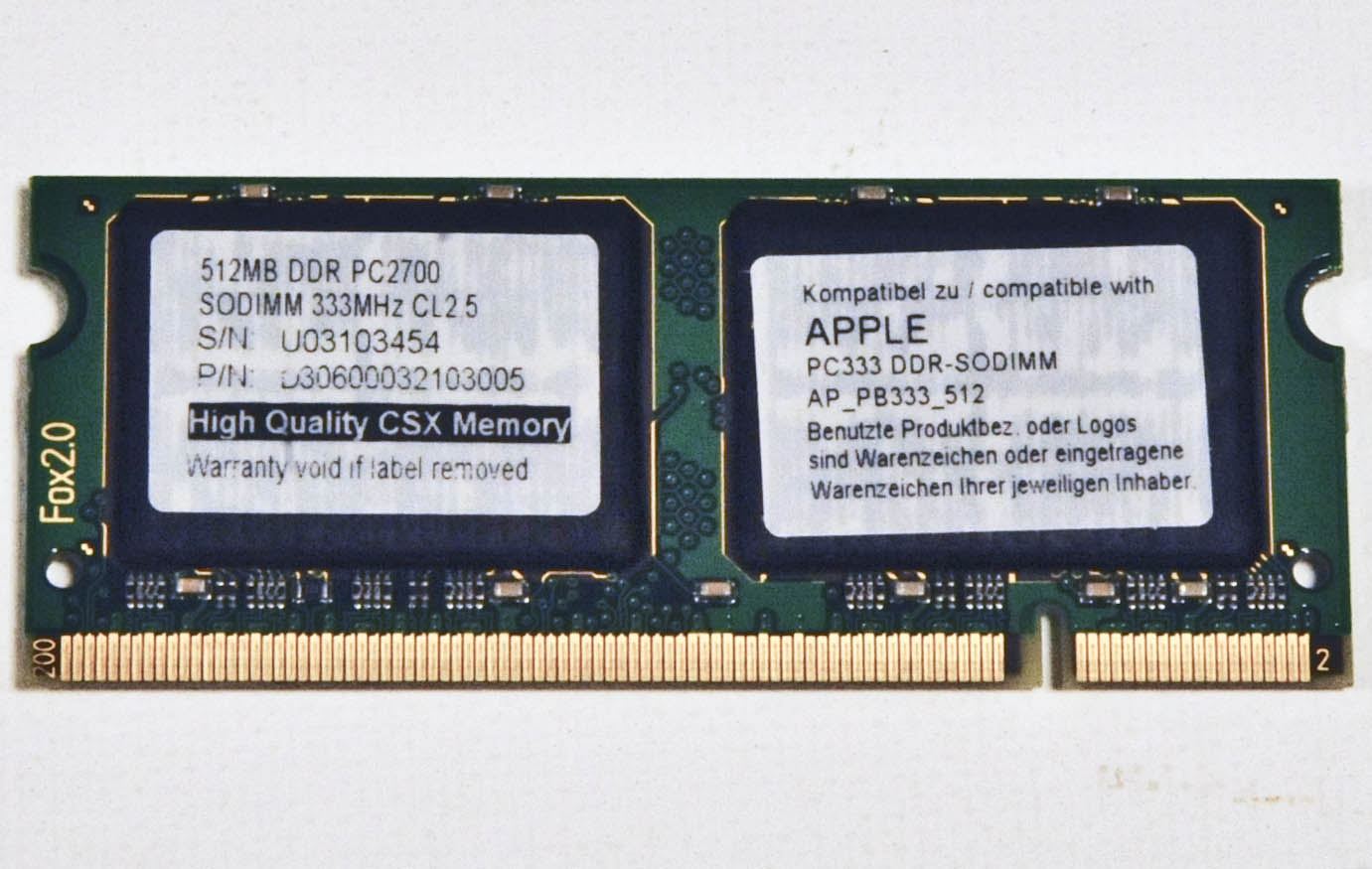
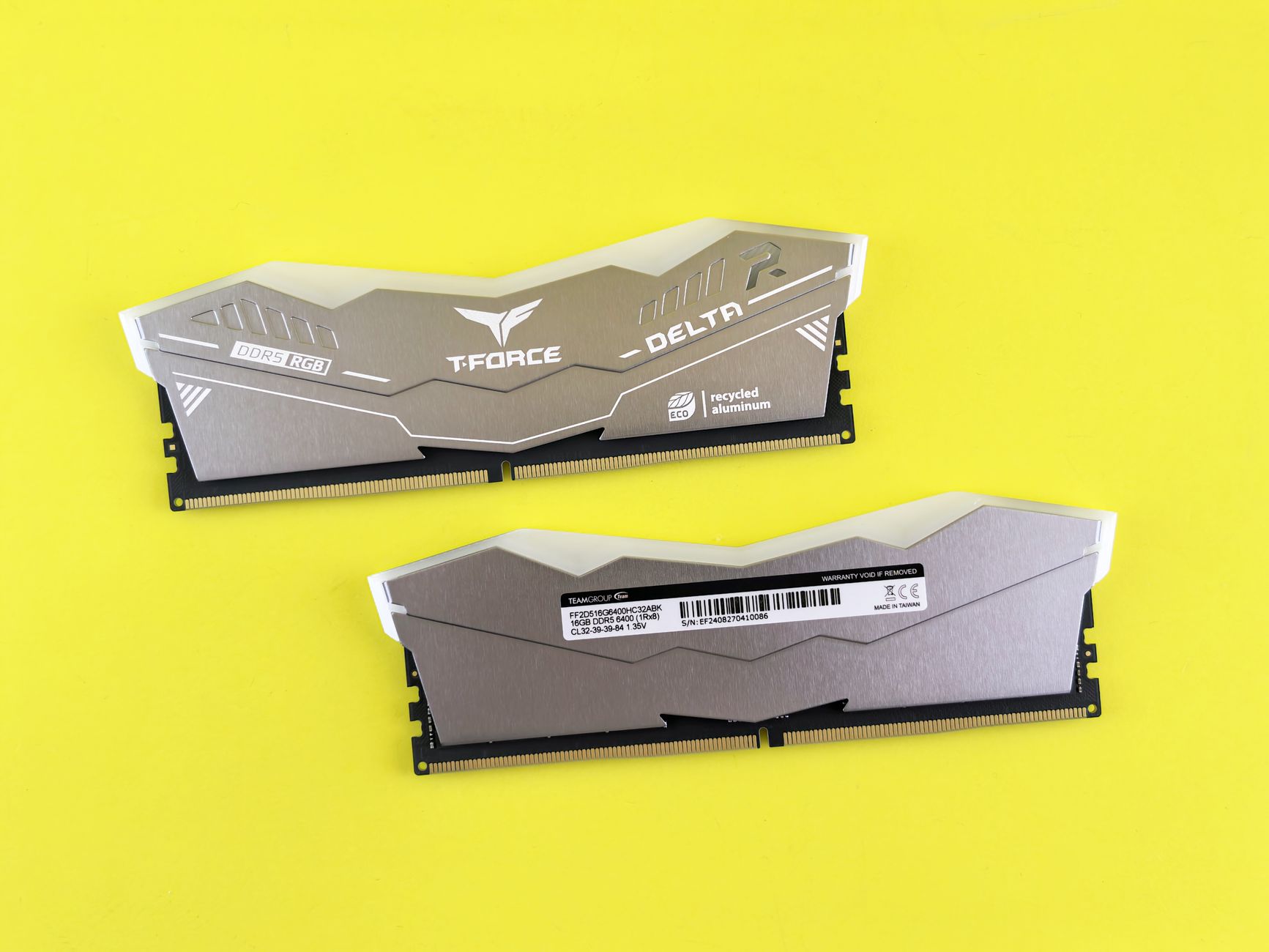
- Software integration issues, particularly for third-party modules like RAM and storage, have required extensive development work to guarantee compatibility without sacrificing performance or stability.
- Framework is investing heavily in expanding its developer ecosystem, introducing new tools and partnerships aimed at fostering innovation around the modular platform. This includes improvements to the Framework API and support for more hardware configurations.
A Shift in Industry Expectations
This delay is not an isolated incident but part of a broader trend in the tech industry. Modular hardware has long been promised as the future of computing, but few products have successfully delivered on that promise without trade-offs in performance or reliability. Framework’s pause suggests that the company recognizes the need for a more holistic approach—one where software and hardware evolve together rather than being treated as separate concerns.
Who Benefits from the Delay?
Developers are likely to be the primary beneficiaries of this extended development cycle. A stable, well-documented platform with robust support for third-party modules could accelerate innovation in modular computing, allowing for more experimentation and customization without the risk of system instability. For end users, the delay means that when the Laptop 13 Pro finally arrives, it may offer something more than just repairability—it could become a true platform for innovation, where hardware flexibility is matched by software agility.
The coming months will be critical in determining whether Framework can turn this setback into a strategic advantage. If successful, the Laptop 13 Pro could redefine what modular computing means for consumers and developers alike, setting a new benchmark for how hardware and software should coexist in the future of personal computers.