OpenAI’s expansion into the Windows ecosystem with its Codex app presents a compelling yet challenging proposition for developers: powerful automation at a potentially steep operational cost.
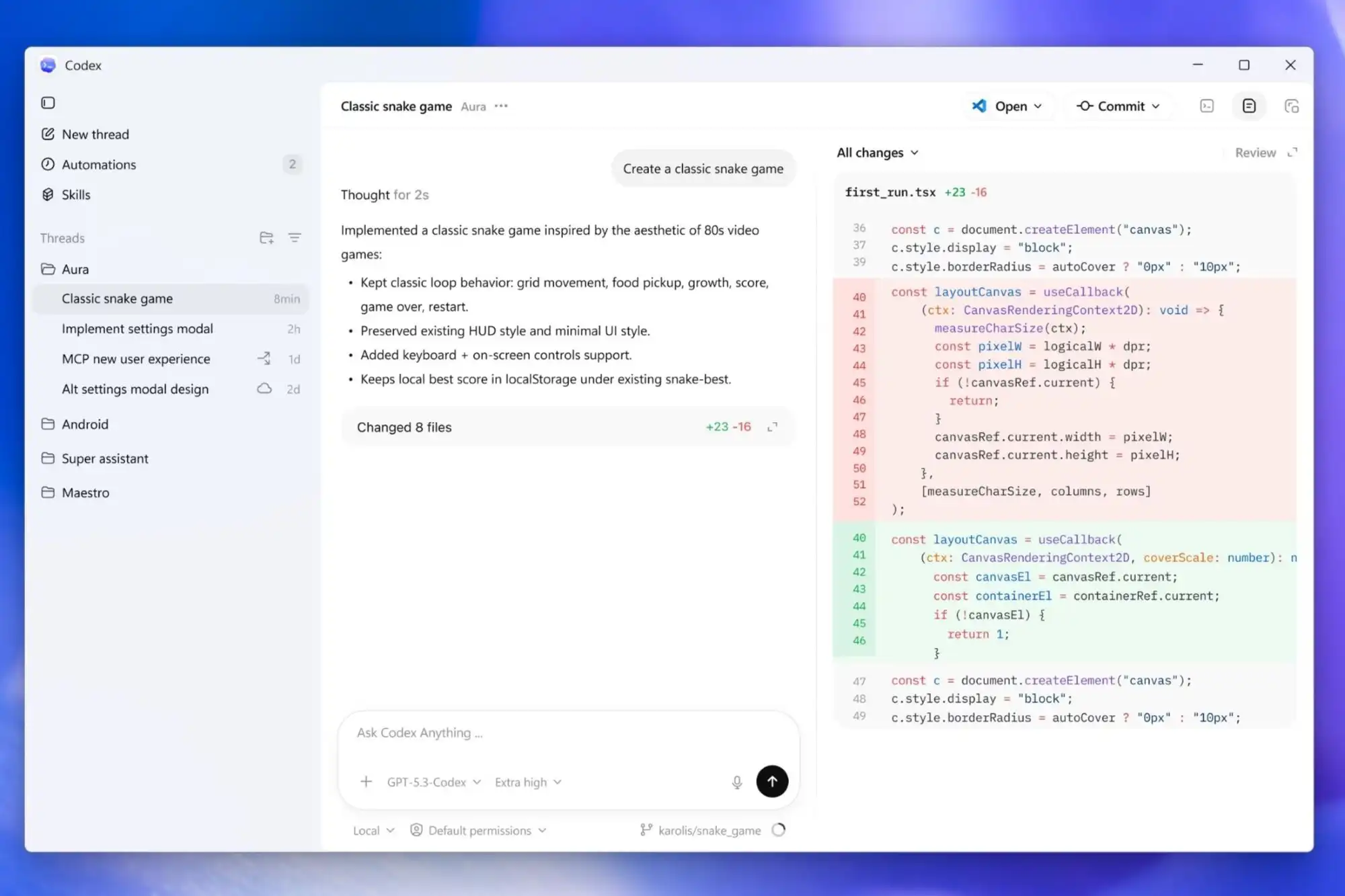
The new desktop version of Codex, now available on Windows, brings AI-assisted coding to Microsoft’s platform after its February debut on macOS. Unlike traditional IDEs, Codex relies on specialized ChatGPT agents that interpret natural-language prompts and generate code, from directory listings to full application development. This shift toward agentic AI coding introduces efficiency gains but also raises concerns about token consumption under heavy workloads.
Codex’s arrival on Windows follows its open-source CLI release in April 2025 and a macOS desktop version that streamlined workflows for Apple users. The Windows app maintains the same core functionality, including multi-agent tasking, GitHub repository integration, and adjustable autonomy levels—ranging from manual approval to fully autonomous execution. However, IT teams must weigh these capabilities against token limits, even on paid plans.
Balancing Automation and Cost
The tool’s strength lies in its ability to handle complex projects through planned actions before execution, allowing developers to review roadmaps before giving the green light. This level of oversight can be both a safeguard and a bottleneck, depending on project urgency. Meanwhile, connecting to GitHub repositories enables seamless branch management, but sandboxed worktrees add an extra layer of complexity for deployment workflows.
Competitors like Anthropic’s Claude Code and Google’s Antigravity offer similar agentic coding environments, with Claude supporting both CLI and desktop modes while Antigravity integrates multiple AI models. OpenAI’s approach, however, remains tied to ChatGPT’s token economy, which can deplete allowances rapidly—even under paid subscriptions like the $20/month Plus or $200/month Pro tiers.
What IT Teams Should Watch
The Windows release marks a significant step for OpenAI, but long-term adoption hinges on managing token costs and refining autonomy controls. Developers will need to monitor how these tradeoffs play out in production environments, particularly as agentic AI tools become more integral to software development.