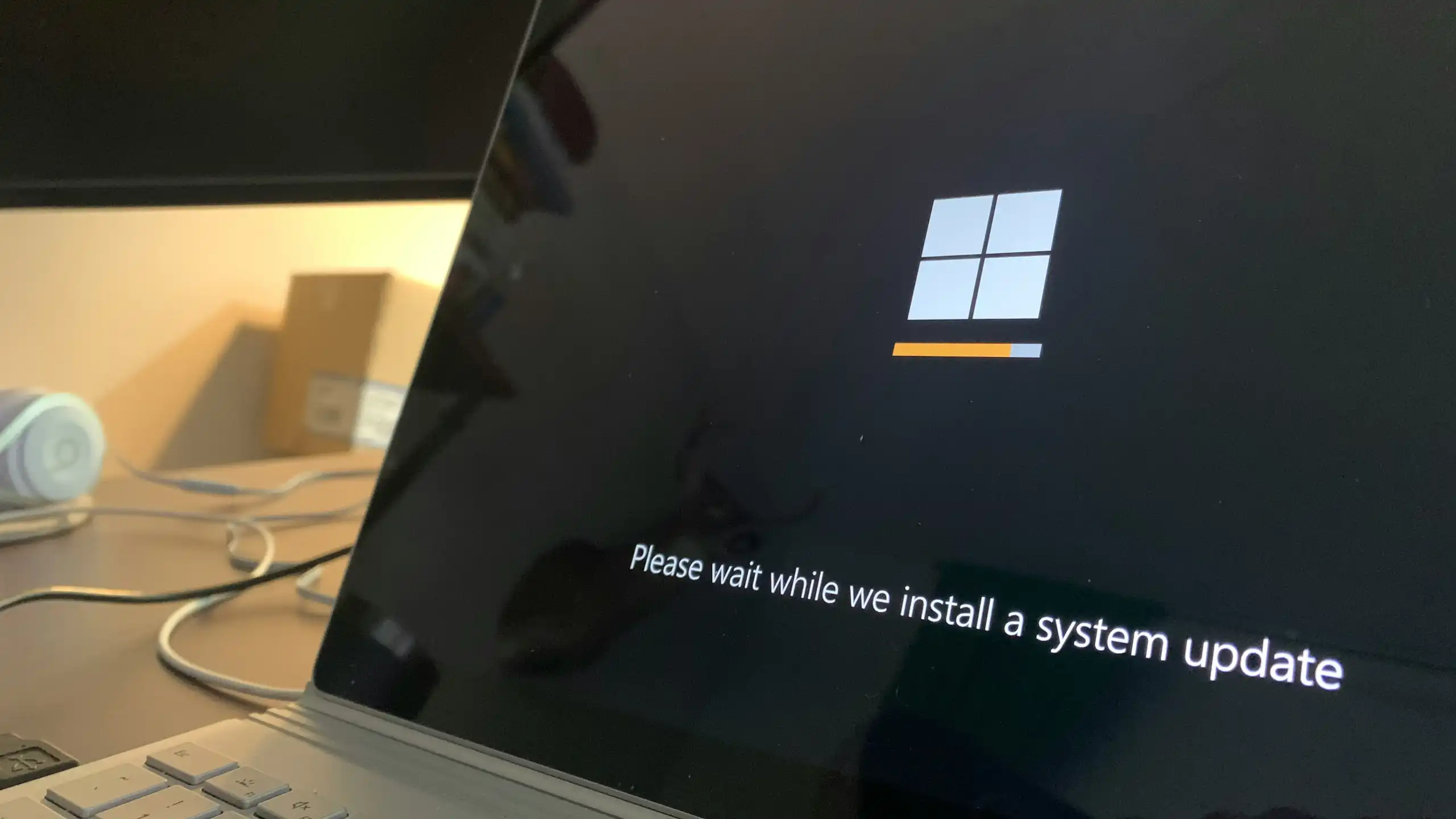
Enterprises now have access to an optional Windows 11 update that introduces a critical security feature designed to strengthen device protection and streamline management. This move could reshape upgrade strategies and operational cost considerations for organizations.
The update, which arrived in March, focuses on improving the security posture of Windows 11 systems by integrating a new layer of defense against unauthorized access and data breaches. For IT departments, this means more granular control over device settings, potentially reducing the need for third-party security tools and lowering long-term costs.
What's New in the Update
The update introduces a feature that allows administrators to enforce stricter security protocols at the system level. This includes enhanced authentication requirements and improved monitoring of user activities, which can help mitigate risks associated with insider threats or compromised accounts. The change is optional but recommended for organizations prioritizing robust security measures.
Key Considerations for Enterprises
- Improved control over device settings: IT teams gain more leverage in configuring security parameters, reducing the reliance on external solutions.
- Reduced operational costs: By integrating advanced security features into the OS, enterprises may see cost savings from fewer third-party tool dependencies.
- Performance impact: Early reports suggest minimal performance overhead, but organizations should benchmark their systems to confirm compatibility and efficiency.
The update also addresses potential concerns about usability. While the new security layer is designed to be transparent to end users, IT administrators may need additional training to fully leverage its capabilities. Enterprises should weigh the benefits against the learning curve for their teams.
One area of uncertainty remains: the long-term effectiveness of this feature in countering evolving cyber threats. Security landscapes are dynamic, and enterprises will need to monitor updates and adapt their strategies accordingly. However, the immediate impact on operational costs and device management is clear, making this a notable development for IT decision-makers.
For now, organizations should assess whether the update aligns with their current security frameworks. Those already invested in comprehensive security solutions may find limited additional value, while others could see significant improvements in efficiency and cost savings. The key takeaway is that this update offers a tangible opportunity to re-evaluate security investments without disrupting existing workflows.
Looking ahead, enterprises should keep an eye on future updates that may further refine these security features. As cyber threats become more sophisticated, the ability to adapt quickly will be crucial, and this update lays the groundwork for that agility.